 Follow Us on Google News
 Follow Us on Google Discover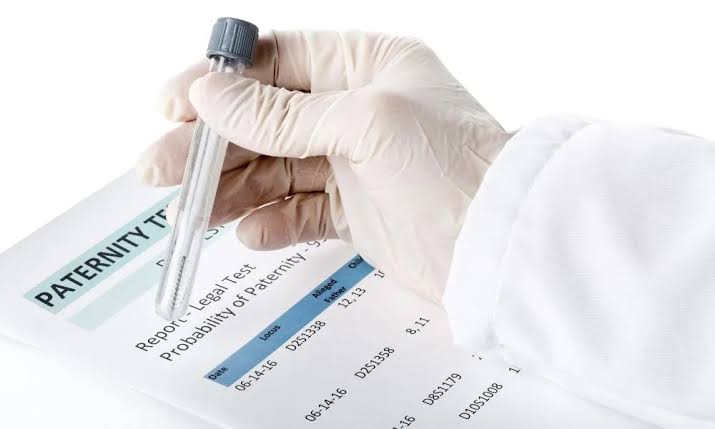
A claim circulating on social media and in several Nigerian media outlets suggests that one in four fathers in Nigeria is not the biological parent of their children, citing a 2025 DNA report by Smart DNA Nigeria. The Guardian examined the claim and found it to be misleading.
The Claim
Posts on X and newspaper headlines assert that 25% of Nigerian fathers are unknowingly raising children that are not theirs biologically. The claim is based on Smart DNA Nigeria’s Annual Report for July 2024–June 2025.
The Lagos-based laboratory, which describes itself as the leading DNA testing centre in the country, said its report provided “accurate, confidential and insightful data” for families, policymakers and researchers, listing five key findings with graphs, comparisons to previous years and recommendations for legislators.
What the report actually says
The report confirmed that 25% of paternity tests conducted at Smart DNA during the 12 months returned negative results. This means one in four men tested was not the biological father of the child concerned. The figure marked a slight decrease from the 27% recorded in 2024.
However, Smart DNA itself stressed that its data does not represent the Nigerian population. The tests were carried out only on clients with doubts about paternity, meaning the results apply solely to a self-selected, high-risk group.
Why the claim is misleading
Experts underline that the 25% figure cannot be generalised nationwide.
Non-representative sample: The figures come from families already disputing paternity, not the broader population.
Geographic bias: More than two-thirds of tests were conducted in Lagos, leaving rural and other regions underrepresented.
Expert testimony: Medical experts, including former Nigerian Medical Association official Phillips Ekpe, have argued that disputed paternity rates in the general population would be far lower, possibly one in 10,000 or 1 in 100,000.
Accuracy of individual tests
Accredited labs such as Smart DNA, SYNLAB and Clinix adhere to international standards (ISO 17025/15189), ensuring that individual DNA results are more than 99.99% accurate. The concern lies in misinterpreting the aggregated statistics.
Media amplification
Some media reports amplified the 25% figure without context, framing it as a nationwide “paternity crisis.” Vanguard, for instance, ran the headline “1 in 4 Nigerian Fathers Not Biological Parents.” Meanwhile, AFP’s fact-check on August 28, 2025, concluded the claim was misleading, while The Whistler accused outlets of fuelling unnecessary panic and mistrust.
Additional context
The Smart DNA report pointed to cultural factors influencing demand, such as patrilineal traditions tied to inheritance, which led to more boys than girls being tested. It also recorded a 13% rise in DNA testing for immigration purposes, linked to Nigeria’s emigration trend known as “Japa.”
Verdict: Misleading
The claim that “one in four fathers in Nigeria are not the biological parents of their children” is misleading. The 25% figure reflects only results from a self-selected group with pre-existing doubts and cannot be extended to the wider Nigerian population. Extrapolating this statistic to the whole country is scientifically unsound.

