Lagos State Government has intensified regulatory oversight of the e-hailing sector, directing all licensed operators to conduct immediate inspections of vehicles on their platforms. The move aims to address safety concerns arising from the poor condition of some vehicles and the absence of a comprehensive operator database.
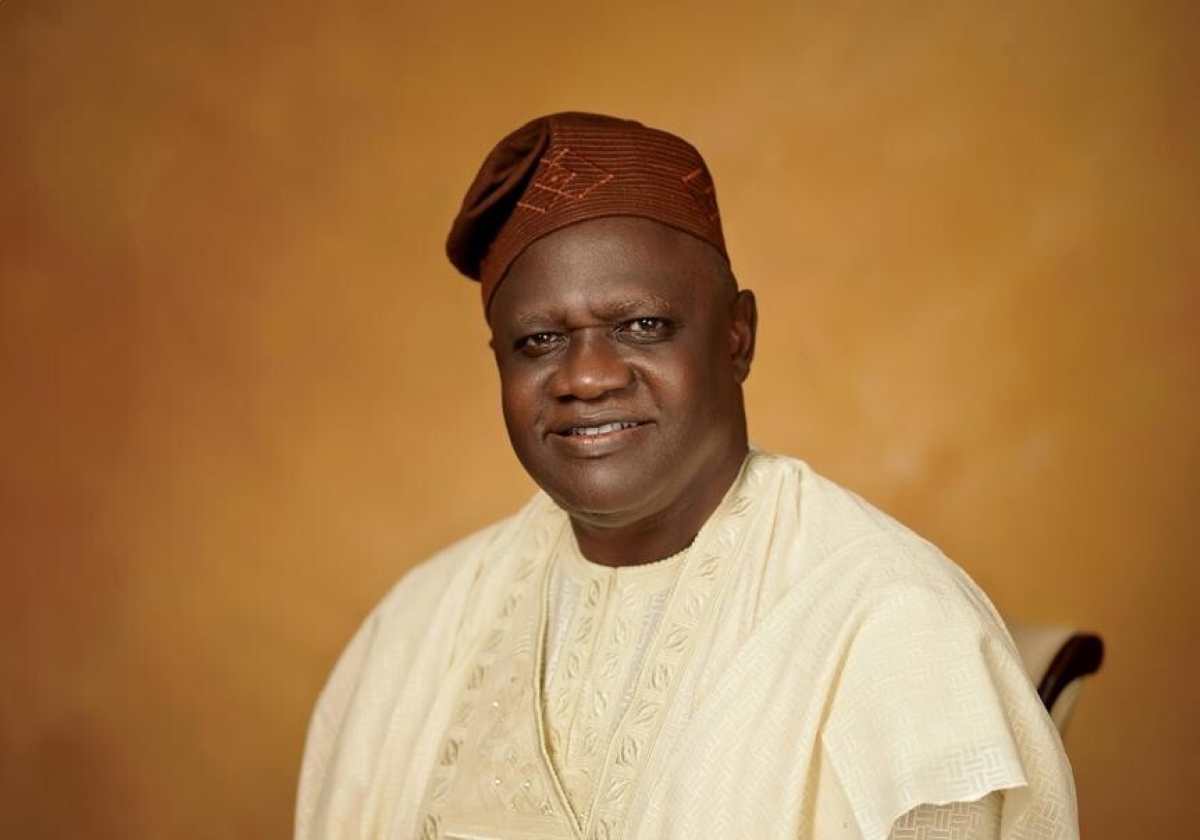
During a stakeholders’ meeting held at the Ministry of Transportation headquarters in Alausa, Ikeja, Commissioner for Transportation, Oluwaseun Osiyemi, expressed concern about the state of several vehicles used by e-hailing services.
He stated, “We have observed, with concern, the deplorable state of some vehicles being used on e-hailing platforms. This has necessitated a comprehensive audit and inspection of all such vehicles. Any vehicle found to be unfit will be disallowed from operating on Lagos roads.”
Osiyemi also highlighted the challenge posed by inadequate centralised data management among operators, which hinders effective monitoring of traffic violations and criminal activities linked to e-hailing services.
“The state government is committed to safeguarding lives and property. We will not tolerate operational lapses that endanger Lagosians,” he said, urging operators to prioritise safety and ensure compliance with licensing requirements.
Supporting this position, Permanent Secretary of the Ministry of Transportation, Olawale Musa, emphasised that vehicles not registered with the Lagos State Government will no longer be permitted to operate.
He remarked, “All drivers must be duly registered and certified by the Lagos State Drivers’ Institute (LASDRI). Our digital regulatory system relies on updated data, and any operator that fails to comply risks the suspension of their license.”
Musa also cautioned the public against booking rides outside official platforms, noting that offline transactions bypass app-based safety and accountability mechanisms.
Representatives from leading e-hailing companies, including Uber, Bolt, Lagride, Laurie, Vas Acquico, InDrive, Folti Tech, and EDryv, provided updates on recent platform enhancements.
These included strengthened driver verification, mandatory license and background checks, in-app panic buttons, and improved onboarding and offboarding procedures.
The Lagos State Government reiterated its resolve to enforce regulatory standards strictly, warning that noncompliance would result in sanctions and possible license suspensions as part of broader efforts to improve transport safety and service quality in the state.