 Follow Us on Google News
 Follow Us on Google Discover
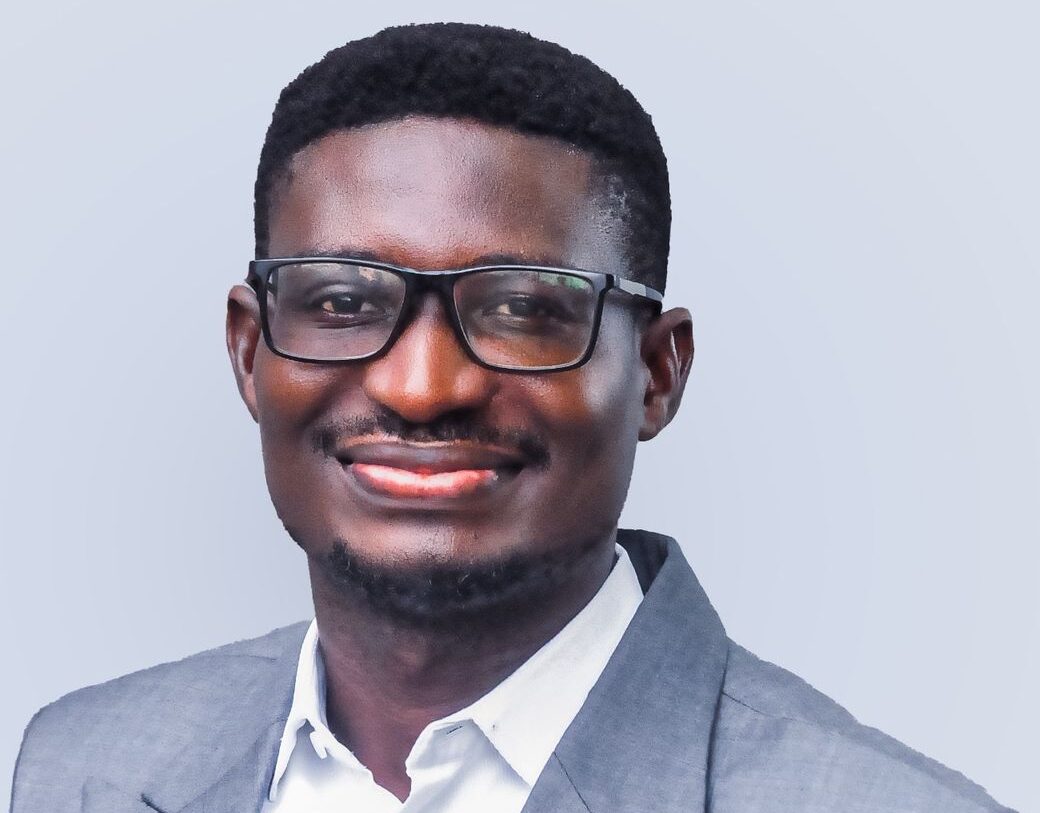 From the operating rooms of Lagos University Teaching Hospital to the classrooms of Duke University, Dr. Seyi Atoyebi has built a remarkable career at the intersection of healthcare, technology, and public health. With a background in maxillofacial surgery and an MBA in Health Sector Management from Duke University, along with experience leading groundbreaking health initiatives, Dr. Atoyebi is redefining healthcare accessibility for underserved populations.
In an era where healthcare disparities continue to widen, he stands out as a beacon of innovation and change. His unique journey from maxillofacial surgery to healthcare innovation exemplifies how medical expertise, when combined with technological advancement and social impact, can transform communities. Recently recognized for his groundbreaking work in emergency healthcare delivery in Mozambique, Dr. Atoyebi shares his insights on the future of global healthcare.
How has your background in maxillofacial surgery influenced your approach to healthcare innovation?
Firstly, dental surgery is a unique field that allows for innovation. Over the years, there have been advances in how to help people have access to quality dental care. Then also, my sojourn into the maxillofacial speciality has taught me that treating symptoms isn’t enough—you need to address root causes. So in surgery, when a patient comes in with a severe facial deformity, for instance, the goal isn’t just to repair the damage—it’s to understand what caused it in the first place. Was it an untreated infection? A congenital issue? A result of trauma? That mindset of digging deeper has shaped how I approach broader healthcare challenges.
Take emergency response systems, for example. Many organizations focus on setting up ambulance services in remote areas. But when you ask why emergency cases aren’t reaching hospitals in time, you often find that the issue isn’t just a lack of ambulances—it’s poor road conditions, a lack of awareness about emergency numbers, or cultural hesitancy to seek outside medical help. If you don’t address these underlying factors, no amount of ambulances will fix the problem. That’s why my approach is always holistic. It’s not just about medical intervention, it’s about education, infrastructure, and cultural engagement.
You’ve pioneered several emergency healthcare initiatives in remote areas. What’s the most surprising lesson you’ve learned about healthcare delivery in resource-limited settings?
I must say that the most effective solutions often emerge within communities themselves. A surprising lesson was how resource limitations can fuel innovation. The reason is that, when you can’t rely on advanced medical equipment, which is obtainable in most underserved communities, you learn to develop creative solutions that are often more sustainable and scalable than high-tech alternatives. Simple interventions, such as mobile clinics and telemedicine, can have an enormous impact when tailored to the needs of the local population. And I have seen this play out in many remote regions. For instance, in the project I did in the Cabo Delgado region in Mozambique, we found that training local community members as first responders created a more sustainable and trusted healthcare network than simply importing external solutions. The key wasn’t just transferring medical knowledge but integrating it with local wisdom and cultural understanding.
Your work with neglected tropical diseases has garnered international attention. How do you approach disease surveillance differently in areas with limited infrastructure?
Traditional disease surveillance relies heavily on hospitals and centralized reporting systems. But what happens when you’re in a region where there are no hospitals nearby or where people don’t seek medical care until it’s too late? That’s the challenge we had to address. Yes, this is because traditional disease surveillance methods often fail in remote areas due to infrastructure challenges. We revolutionized this approach by developing a community-based early warning system that shifted from passive observation to active case-finding for Noma disease. This led to the consistent identification of cases week after week, preventing severe complications for these children through early intervention. Rather than waiting for cases to be reported at health facilities, we flipped the model on its head. We trained community members—shopkeepers, schoolteachers, and religious leaders—to recognize early symptoms of Noma diseases and other dental diseases. These aren’t medical professionals, but they are the ones who see people every day, the ones who hear when someone in the village is feeling unwell. By giving them basic training and a simple way to report potential cases, we created an active surveillance system that identified cases much earlier than traditional methods ever could.
What’s fascinating is that the most powerful tool in this system isn’t technology—it’s human relationships. When surveillance is embedded within the community, people are far more likely to engage with it. It turns passive observation into active detection, and that small shift has saved countless lives.
You’ve mentioned the term ‘health equity’ frequently. How do you translate this concept into tangible actions?
Health equity is one of those terms that gets thrown around a lot, but at its core, it’s really about understanding that different communities face different challenges—and making sure our healthcare solutions reflect that reality.
For instance, when I looked at access to dental care in rural communities, the obvious problem seemed to be a lack of dentists. But when I dug deeper, I realized that transportation was an even bigger barrier. Even if there was a dentist available miles away, patients simply couldn’t afford to travel to them. So, instead of focusing only on increasing the number of dental professionals, we created a mobile digital platform that allowed patients to consult with practitioners remotely.
But here’s the thing—technology alone isn’t enough. If people don’t trust or understand the system, they won’t use it. It was about understanding transportation barriers, cultural beliefs about dental care, and economic constraints. So, I worked with community leaders to educate people about dental health, integrating it into existing cultural beliefs about wellness. The result was a system that people actually engaged with. True health equity means looking beyond just access and thinking about what real, practical barriers exist—and addressing them in a way that makes sense for the community.
Let’s talk about technology. What role do you see artificial intelligence playing in advancing healthcare in underserved regions?
AI has incredible potential to transform healthcare, but only if it’s designed with the realities of underserved regions in mind. Right now, a lot of AI-driven health solutions assume constant internet access and well-equipped hospitals, which simply isn’t the case in many parts of the world.
Let me start by saying that AI in healthcare isn’t about replacing human interaction, it’s about augmenting existing resources to reach more people effectively. As it stands, there have been thoughts and actions to develop systems that can help with early disease detection while respecting local healthcare practices and cultural norms. Another area where AI is making a difference is in predicting disease outbreaks. By analyzing local data—everything from weather patterns to migration trends—we can anticipate when and where diseases are likely to spread and take preventive action before outbreaks occur.
The key is to ensure these technologies remain accessible and culturally appropriate. For instance, the thinking now is to keep working on AI-driven diagnostic tools that can function offline and integrate with traditional medical practices, making them more acceptable to communities that may be hesitant about digital healthcare interventions. So, in effect, AI has the potential to bridge healthcare gaps, but its implementation must be thoughtful and inclusive.
Looking ahead, what innovations do you believe will have the most significant impact on healthcare delivery?
I believe the most impactful innovations will be those that strengthen, rather than replace, existing community health systems. There’s a lot of excitement around cutting-edge medical technologies, but the reality is that the best solutions are often the simplest ones: the solutions that empower local healthcare workers, respect traditional healing practices and integrate modern medicine in a way that makes sense for the people using it.
One area I’m particularly excited about is mobile health technology that functions in low-connectivity environments. Being able to provide diagnostic support, medical education, and patient follow-ups through simple mobile platforms can dramatically improve healthcare access in remote areas. Similarly, AI-powered tools that assist—rather than replace—health workers have the potential to bridge major healthcare gaps.
At the end of the day, real innovation isn’t about imposing Western healthcare models onto different regions. It’s about listening to communities, understanding their challenges, and co-creating solutions that work for them. When we do that, we don’t just improve healthcare—we transform lives.

