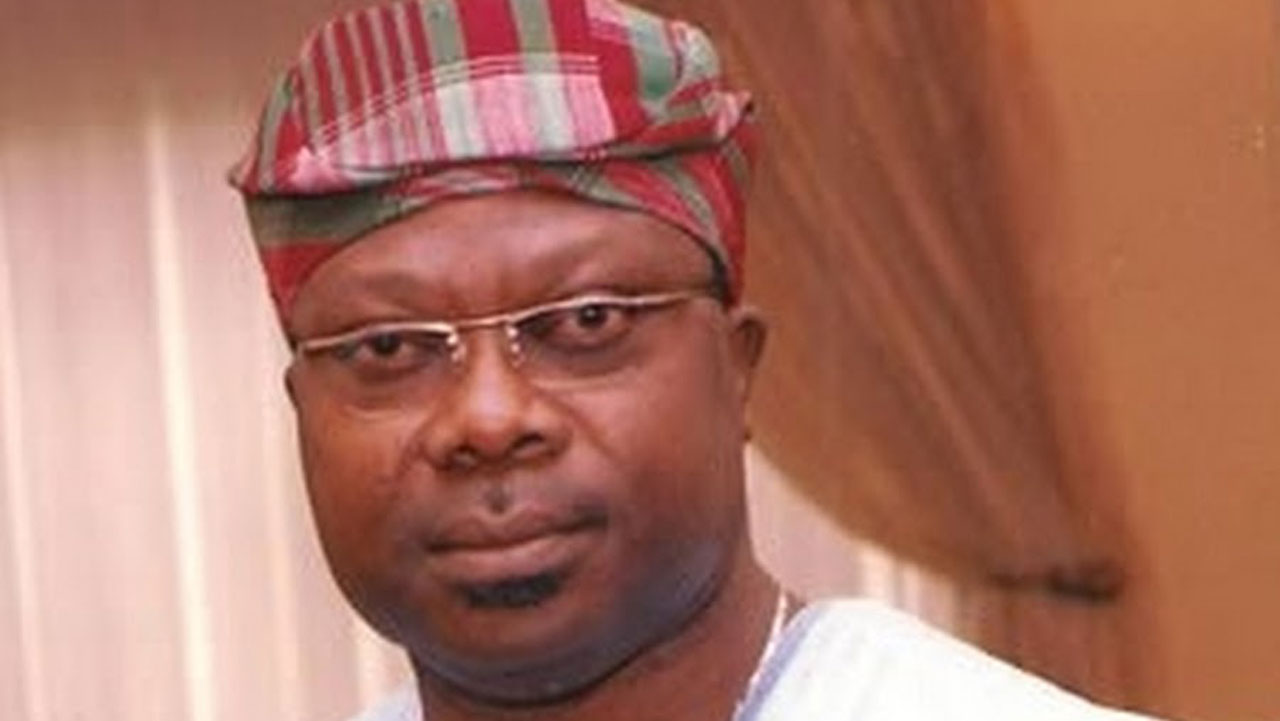
As Ekiti State prepares for the 2026 governorship election, all eyes are on Governor Biodun Oyebanji to secure President Bola Tinubu’s endorsement for a second term. Though the governor has received sweeping support from APC leaders across the state and delivered a strong performance in office, his silence on re-election is fueling speculation of stormy days ahead, AYODELE AFOLABI reports.
In a few months’ time, political parties across Ekiti State will begin the high-stakes rituals of primary elections, setting the stage for a fiercely anticipated 2026 governorship race. At the heart of the contest lies a question: Will President Bola Tinubu endorse the incumbent Governor Biodun Oyebanji for a second term? With local endorsements cascading in and the opposition in visible disarray, Oyebanji’s return appears likely, if Abuja gives its blessing.
Already, the Ekiti State Caucus of the All Progressives Congress (APC) has thrown its weight behind Oyebanji. In Iyin-Ekiti, the ruling party’s power brokers met and unanimously adopted him as the preferred choice for 2026, citing “unprecedented developmental strides” and “humble, inclusive leadership.”
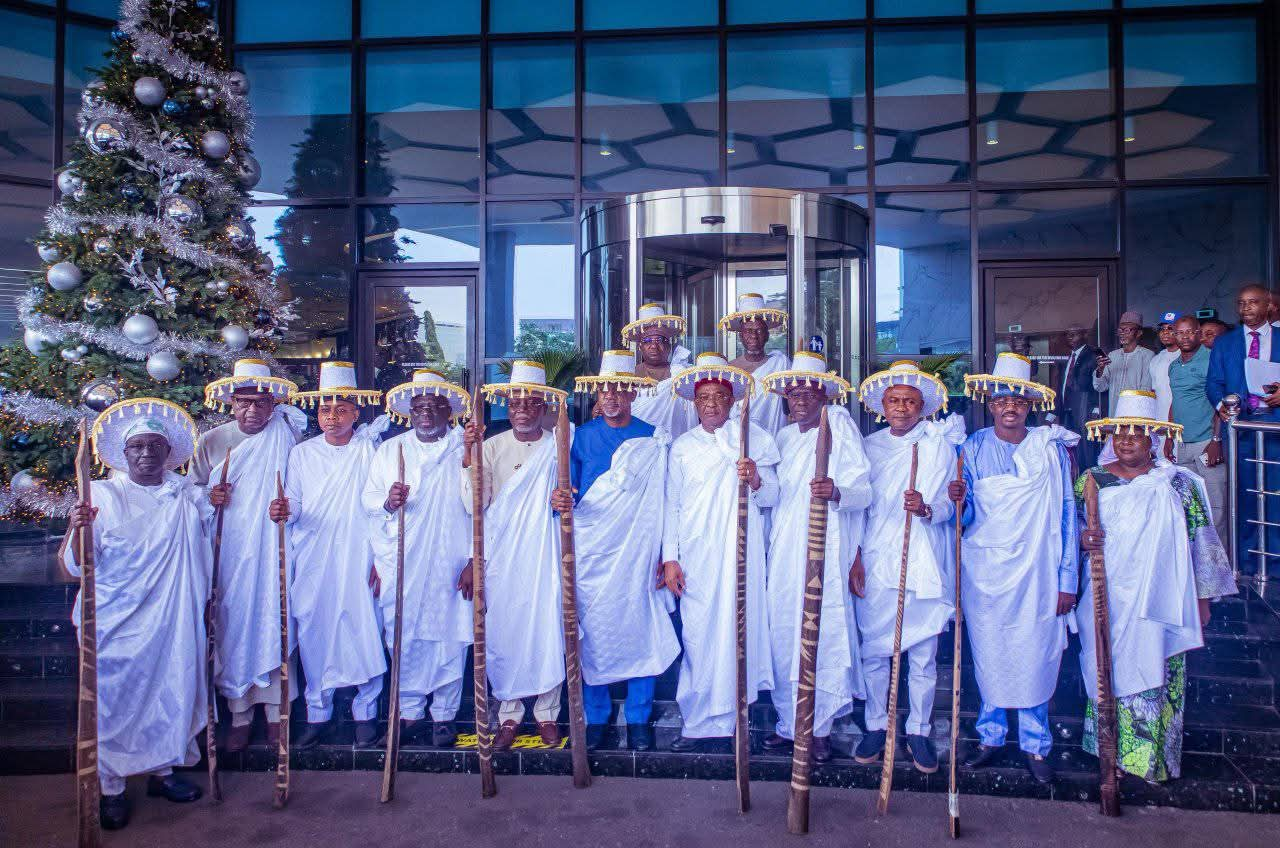
The endorsement campaign snowballed across the state. In Ikere-Ekiti, leaders from the South senatorial district affirmed their support. The Central zone followed suit with a gathering in Ado-Ekiti, while Ido-Ekiti hosted a carnival-like endorsement in the North. Party members praised the governor’s infrastructure projects, people-centric programs, and visible rural development as reasons he deserves another term.
Strategic silence, calculated delay
Interestingly, despite the swelling chorus of endorsements, Governor Oyebanji has yet to publicly declare his intention to seek re-election. He has also not rejected calls from influential leaders urging him to run. Instead, he has continued to express appreciation for the growing support, perhaps waiting for the right political moment to officially throw his hat in the ring. Analysts believe this is a calculated move to remain compliant with electoral timelines while waiting for what could be the most important endorsement of all—President Tinubu’s.
In the APC’s current power architecture, Tinubu’s nod is king. While Oyebanji has not openly stated that he is waiting on the President, he has regularly credited Tinubu for providing the political cover and federal support needed to advance key projects in the state. Many see this as a subtle yet clear overture to the President.
Still, there is speculation that Tinubu might be reluctant to openly endorse anyone at this stage. Doing so could alienate other potential aspirants and create unnecessary division within the party. As seen in Lagos during the former Governor Akinwumi Ambode episode, an incumbent governor without presidential support can quickly find himself politically marooned.
Fayemi’s assurance and the echo of 2023 loyalty
Former Governor Kayode Fayemi, now an elder statesman within the APC, has sought to reassure party faithful that Tinubu remains supportive of Oyebanji. At a stakeholders’ meeting in his hometown of Isan-Ekiti, Fayemi reminded attendees that Oyebanji played a key role in delivering Ekiti to the APC in the 2023 presidential election. Tinubu won the state with 201,486 votes—over 65 per cent of total votes—sweeping all 16 local government areas.
“I hear concerns that Abuja may not back Oyebanji. But let me say this clearly: President Tinubu is with us,” Fayemi said. “When INEC announces the election date, we must stand united here so that Abuja will have no reason not to support us.”
But one of the key reasons President Tinubu may hesitate to endorse Governor Oyebanji’s re-election bid lies in the shadow of Fayemi. Many within the party believe that Fayemi, Oyebanji’s former boss, is covertly opposed to Tinubu’s 2027 ambition, with whispers of his quiet alliance with members of the anti-Tinubu coalition gaining ground.
Although Fayemi has publicly dismissed the allegations as baseless and a deliberate ploy to sow discord within the APC, the speculations refuse to die. In fact, some insiders suggest that Tinubu’s silence on Oyebanji’s second-term bid may be a calculated move, not just political indifference, but a subtle strategy to politically clip Fayemi’s wings.
Bamidele’s signal: When godsons speak
If Fayemi offered reassurance, Senate Leader, Opeyemi Bamidele offered clarity. At a gathering of APC leaders in Ekiti Central, the lawmaker, widely known as Tinubu’s political protégé, unequivocally endorsed Oyebanji. Not only did he praise the governor for uniting Ekiti under one political umbrella, but he also volunteered to chair Oyebanji’s re-election campaign committee.
Observers believe Bamidele’s endorsement reflects Tinubu’s unspoken approval. After all, it was Bamidele who reportedly persuaded Tinubu to support Fayemi’s first gubernatorial bid in 2007, a move that eventually led to Fayemi’s landmark legal victory against former Governor Segun Oni.
Other powerful figures, former Governors, Niyi Adebayo and Ayodele Fayose, with Chief Afe Babalola, Chief Wole Olanipekun, have similarly backed Oyebanji’s continuation. Fayose, a two-time PDP governor, stunned many by publicly supporting Oyebanji at the 2023 Udiroko Festival in Ado-Ekiti.
His reason: “Performance deserves reward,” he said. “Oyebanji has run a government that listens, delivers, and respects people.” Many now believe that it would be politically awkward for Tinubu to oppose the collective will of Ekiti’s elite.
But beyond the endorsement, many have also pointed out Oyebanji’s sterling performance since 2022. Under Oyebanji’s stewardship, Ekiti has seen tangible changes: road projects, rural electrification, increased transparency in budgeting, and salary regularisation for civil servants. His administration recently launched the Youth Entrepreneurship Development Fund (YEDF), with seed capital of N500 million to support local businesses and reduce unemployment.
On security, Oyebanji created the Ekiti State Security Network (Amotekun Corps), improved collaboration with federal forces, and initiated the tracking of illicit herders—winning applause from rural communities long tormented by insecurity.
However, challenges remain. Fuel subsidy removal and naira devaluation have led to increased food and transport costs. Oyebanji’s response, such as food palliative programs and agricultural support for farmers, has been notable, but critics argue it hasn’t gone far enough. Still, the governor’s quiet, technocratic style has won over even some of his early doubters.
Despite the momentum, some believe Tinubu will wait until October, when Oyebanji marks his third year in office, to give a public endorsement. That event is expected to include the commissioning of major projects, making it a politically strategic time to declare support.
“Tinubu is a tactician,” says Olusanya Arowolo, a veteran APC chieftain. “He wants to be seen as fair to all. But when he speaks, it will be at a time when the field is clear, and the applause is loudest.”
The Opposition in Disarray
The absence of any serious opposition candidate has also tilted the narrative in Oyebanji’s favour. In contrast to previous elections, where up to 23 aspirants flooded the APC primaries (as in 2018)—the 2026 race so far appears to be a one-horse affair.
The PDP, traditionally Ekiti’s main opposition, is currently grappling with a lingering internal crisis. Since the 2022 election, the party has remained fractured between rival factions loyal to former Governor Fayose and Senator Biodun Olujimi. Attempts by the national leadership to reconcile them have failed, with lawsuits and suspension threats flying back and forth.
More so, the party lacks a clear governorship hopeful. With no known contender showing interest and no consensus candidate in sight, even staunch PDP loyalists admit the party is in no shape to contest power.
The Social Democratic Party (SDP), which gained some traction in 2022 under Segun Oni, has lost momentum. Oni himself has retreated from public view after his defeat in the last governorship election, and the party has struggled to sustain relevance without his charisma and structure.
Ekiti’s Labour Party, buoyed by Peter Obi’s movement in 2023, lacks the grassroots strength and funding to mount a credible challenge. Despite youth enthusiasm, the party’s leadership remains weak and disconnected from local realities.
As things stand, Oyebanji may face little or no serious challenge within the APC. In 2022, he defeated seasoned aspirants such as Kayode Ojo, Femi Bamisile, Bamidele Faparusi, and Senator Adeyeye. This time around, none of them have declared interest. In fact, some of them have since taken up roles or reconciled with the governor.
This eerie calm, uncommon in Ekiti’s normally chaotic political terrain, is being interpreted by many as a sign that Oyebanji may coast to a near-unanimous primary victory, pending Tinubu’s final approval.
Ekiti is primed. The governor is popular. The caucuses are loyal. The opposition is weak. But in Nigeria’s political ecosystem, none of that matters until the kingmaker speaks.
Oyebanji has kept his powder dry, securing endorsements from every relevant bloc in the state. But he knows that the one endorsement that truly seals a second term lies in Abuja, with the man who redefined political succession in Lagos, who turned ‘structure’ into an art form, President Tinubu.
Until that nod comes, the drums in Ekiti will beat, the banners will rise, but the dance will not begin. With a weak opposition and the APC largely united behind him, analysts believe Tinubu’s nod is the final piece needed to seal Oyebanji’s ticket. But will the president act early—or wait for the political drama to reach its peak before stepping in?