 Follow Us on Google News
 Follow Us on Google Discover
Long before Afrobeats gained international recognition and a global audience, the soundtrack of southwestern Nigeria was defined by the acoustic strings of Palm-wine music and the smooth rhythms of early Highlife. Among the pioneers who shaped that sound was the legendary Fatai Rolling Dollar.
Born in 1927, Fatai Rolling Dollar was a master guitarist whose lightning-fast finger-picking style earned him his famous stage name.
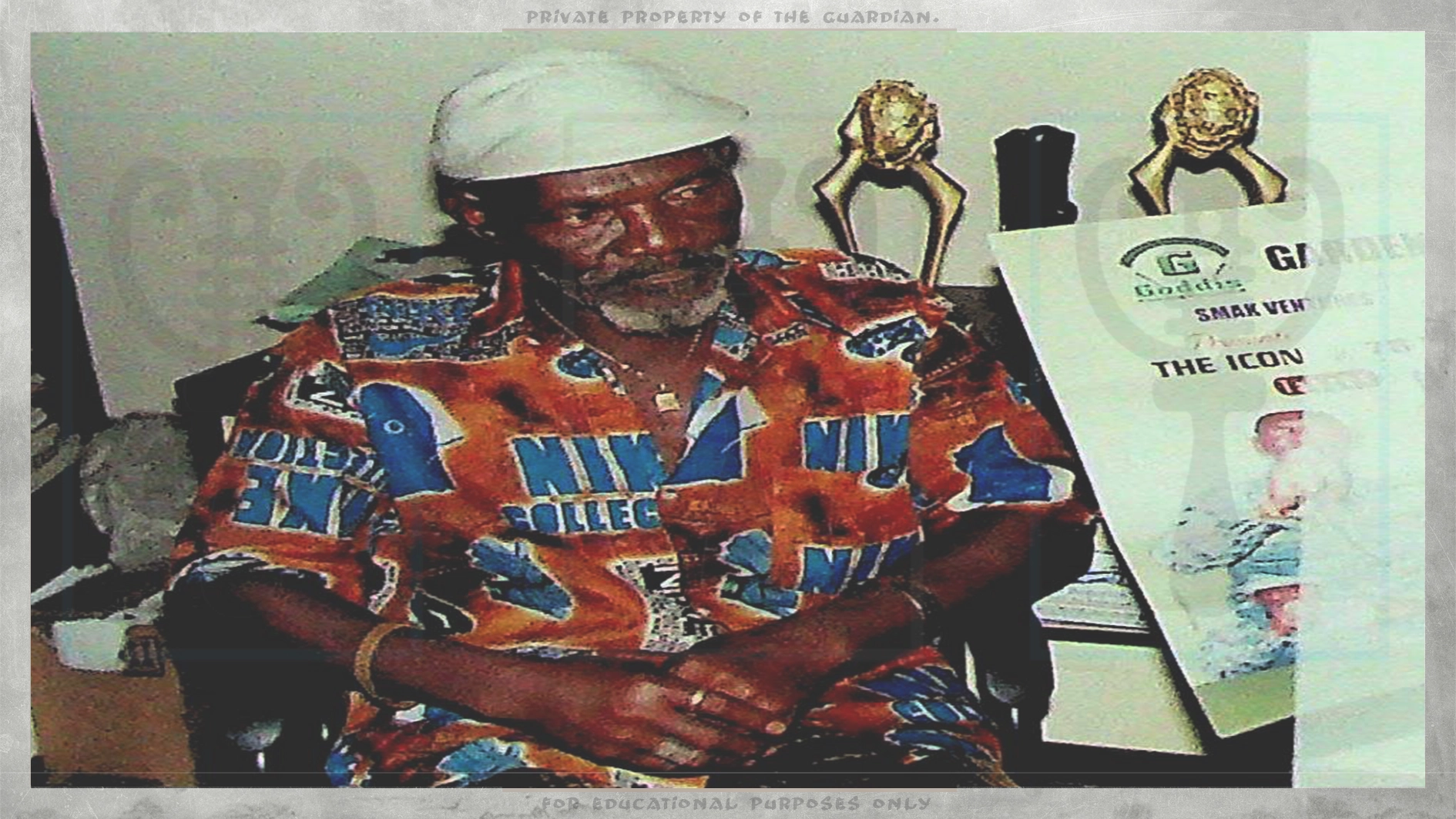
At the peak of his career in the 1950s and 1960s, he was a dominant force in the West African music scene. He founded the renowned Federal Rhythm Band and mentored a younger generation of musicians who later became legends in their own right, including Chief Ebenezer Obey. His music captured the very essence of old Lagos nightlife — sophisticated, relaxed, and deeply rooted in cultural storytelling.
However, the music industry can be unforgiving, and Pa Fatai’s journey was far from smooth. Following the political upheavals of the 1970s, including the infamous raid on Fela Kuti’s Kalakuta Republic, which deeply affected the surrounding creative community, Rolling Dollar lost almost everything.
For nearly three decades, he disappeared into obscurity. He lived in a modest one-room apartment in a poor Lagos suburb, battling severe financial hardship and, at one point, working as a security guard just to survive.
Many believed his story had ended. Yet, the veteran musician carried himself with remarkable dignity and resilience. He never stopped believing in his craft, proving that true talent never truly disappears, even when the spotlight fades.
What followed in the early 2000s became one of the greatest comeback stories in Nigerian pop culture history. At an age when most people are retired, Fatai Rolling Dollar experienced a stunning career revival.
With the help of retro-revival projects, he returned to the studio and released the hit song “Won Kere Si Number” (“They Don’t Measure Up to My Number”).
The track became a nationwide sensation, bridging generations and introducing younger audiences to his timeless sound. Suddenly, a man in his late seventies was once again headlining major concerts, touring internationally, and teaching Nigerian youths how to truly groove.
On stage, Pa Fatai was completely immersed in the joy of live performance. His eyes sparkled, his smile radiated warmth, and his passion remained undeniable. Rather than imitate modern hip-hop trends to stay relevant, he made vintage music cool again.
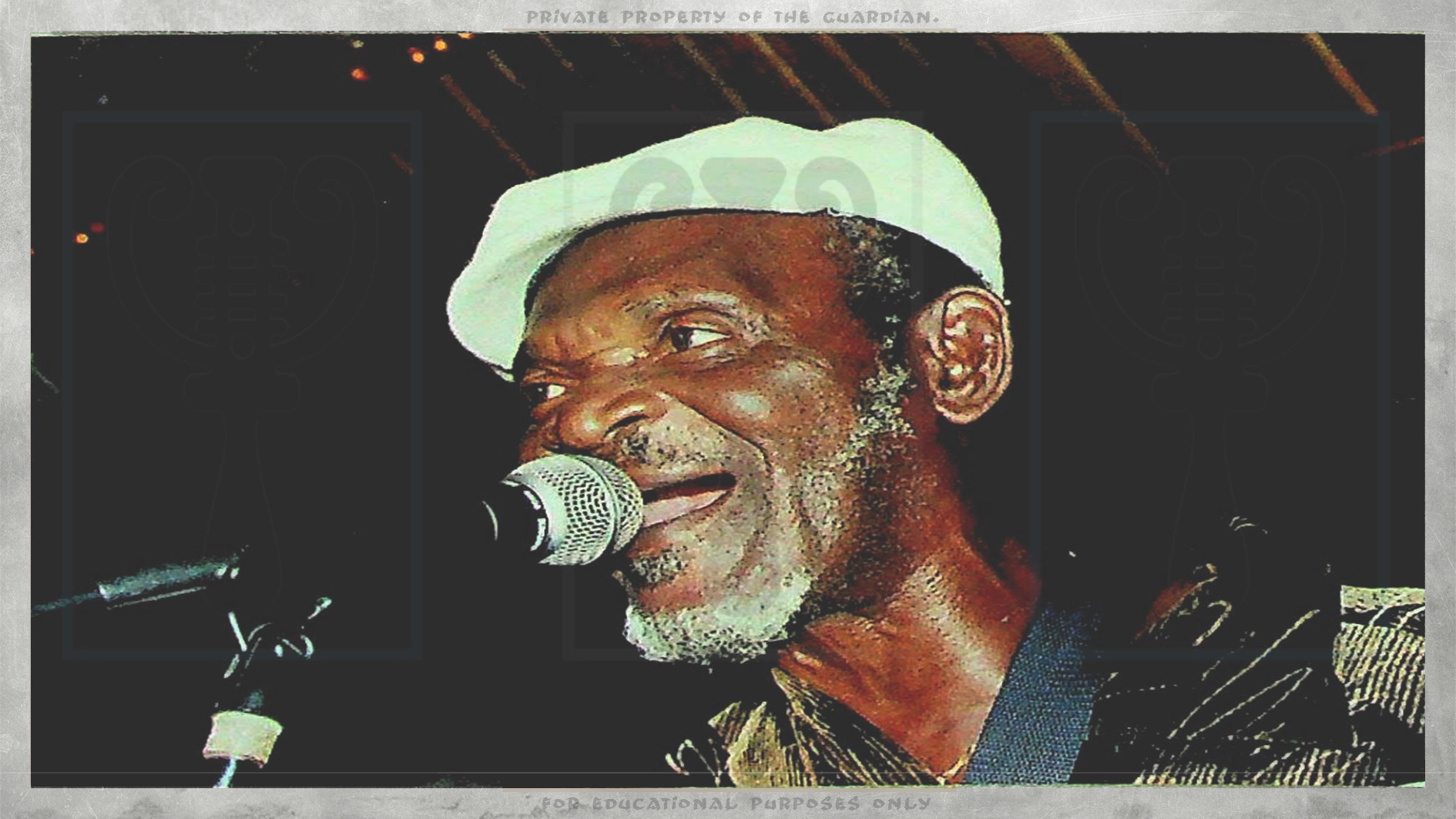
Fatai Rolling Dollar represented an era when musicians were pure storytellers and exceptional live performers. He relied neither on computerised pitch correction nor studio tricks. His connection with audiences was organic, raw, and deeply powerful.
His remarkable comeback reminded the nation that infectious energy and timeless rhythm have no expiration date.
Looking back at archival images of the music icon today, one sees a powerful blueprint of resilience for modern Nigerian artists. Pa Fatai’s journey remains a lesson that a creative career is a marathon, not a sprint.
He proved that no matter how long one spends in the wilderness, true brilliance will always find its way back into the light.
