 Follow Us on Google News
 Follow Us on Google Discover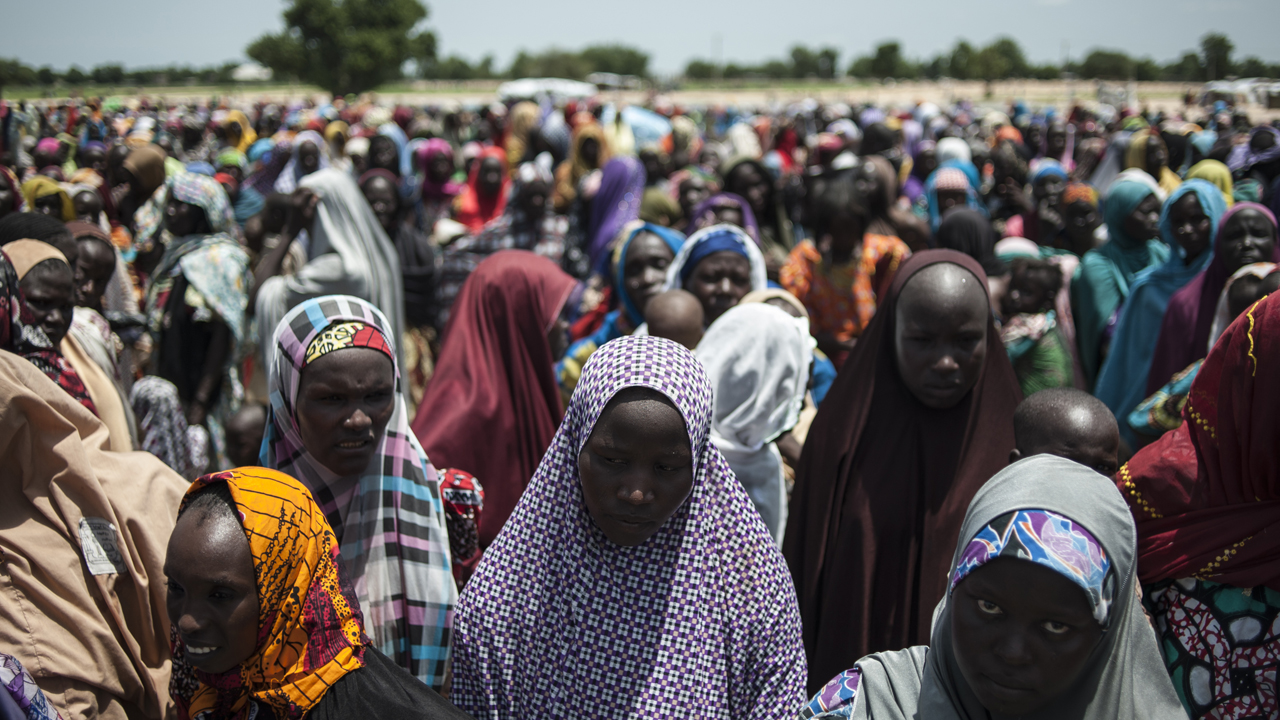

The Federal Government and the humanitarian community have launched North East Nigeria Humanitarian Response Plan for 2021.
The plan seeks $1 billion to enable partners provide critical services to the 6.4 million most vulnerable people – among 8.7 million people in need of humanitarian assistance this year.
Longstanding insecurity and violence, compounded by climate change, and the impact of Coronavirus Disease (COVID-19) are increasing the vulnerability of close to nine million people. About two million people are internally-displaced, millions of people depend on humanitarian partners for basic services, and up to 5.1 million people face hunger in the lean season – the worst outlook in four years.
[ad]
“The humanitarian crisis in Borno, Adamawa, and Yobe states, unfortunately, remains one of the largest in the world and continues to have a profound impact on Nigeria and its people, causing untold suffering and deprivation for millions of vulnerable women, men and children.
“Year 2021 marks the 12th of the conflict and the sixth year of the international community working with the government of Nigeria to provide humanitarian support,” said the United Nations Resident and Humanitarian Coordinator in Nigeria, Edward Kallon.
According to him, last year was a challenging one for vulnerable people in North East Nigeria. “It was a year marked by a new reality, the COVID-19 pandemic. The socio-economic impact of the pandemic has already diminished the resilience of millions of people, increasing the fragility of those who were already extremely vulnerable,” he added.
The Minister of Humanitarian Affairs, Disaster Management and Social Development, Sadiya Farouq, pointed out that the requirements for this 2021 Humanitarian Response Plan reflected a growing need, but that that the available resources would likely not be commensurate with those needs.

“We are facing additional challenges in terms of security and access for humanitarian partners, which is why we have developed the National Humanitarian Development Peace Framework,” she added.
A combination of escalating conflict, displacement and disruption to and loss of livelihoods, due to COVID-19 restrictions, could lead to hunger for millions of Nigerians in the North East, The Guardian learnt.
[ad]

