 Follow Us on Google News


 Follow Us on Google Discover
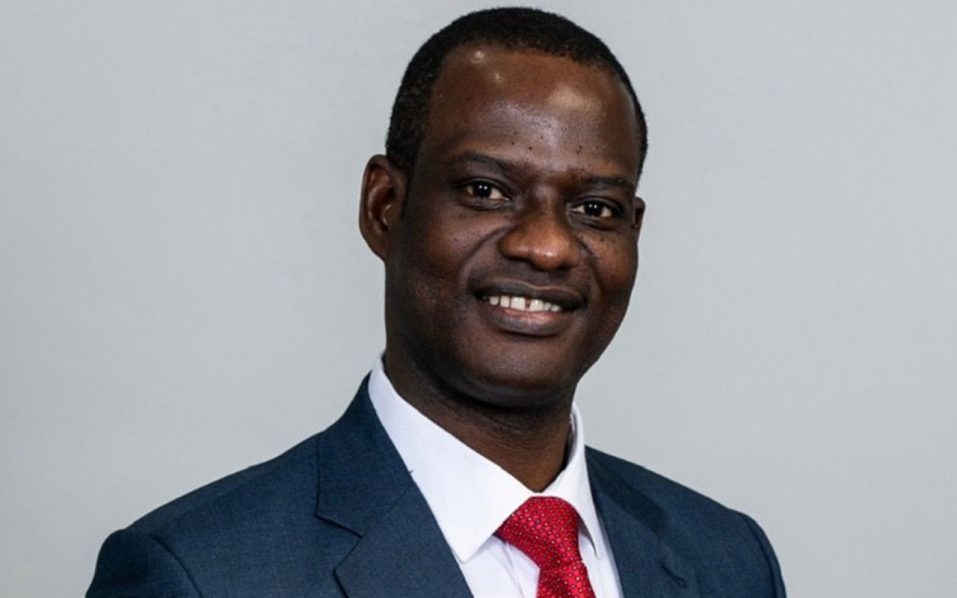
Chairman of the presidential committee on fiscal policy and tax reforms, Taiwo Oyedele, said the proposed value-added tax (VAT) reforms will reduce some of the current burdens on businesses, promote competitiveness and equity, support business growth and protect small and medium enterprises (SMEs).
[ad]
Speaking recently at an interactive session with the Organised Private Sector of Nigeria (OPSN) on the urgency and benefits of the four proposed Nigeria tax reform bills at MAN House, Oyedele said the reforms would benefit SMEs by increasing the tax exemption threshold from N25 million to N50 million in a yearly turnover and exempt small businesses from company income tax (CIT).
Explaining part of the reforms, he said all businesses will be able to recover VAT on their assets and services thereby reducing inflation while over 97 per cent of SMEs will be exempted from charging VAT on sales, among others. He said the VAT reform will facilitate a reduction in the prices of food, housing, water, electricity, gas, transportation, education and health as they would not be taxed, thereby reducing inflation on essential services and items.
Oyedele also explained that the bills aim to simplify Nigeria’s tax system by repealing certain tax laws and merging them into a single, unified law called the Nigeria Tax Act. He said the Act would address taxation of income, transactions and instruments, making it easier for individuals and businesses to understand their tax responsibilities.
“2024 withholding tax regulations proposed changes seek to exempt small businesses from withholding tax obligations and lower rates for businesses with low margins. It also exempts manufacturers and producers such as farmers, and moves to curb tax evasion and avoidance,” he said.
Director-General of the Manufacturers Association of Nigeria (MAN), Segun Ajayi-Kadir, noted that manufacturers and businesses, like all Nigerians, were justifiably concerned about the potential impact of the bills on business investments and sustainability.
[ad]
Bemoaning the current duplication and multiplicity of taxes manufacturers are burdened with, he said they should not be unduly burdened by taxes that would stifle growth and innovation.
“We demand a humane tax administration, one that promotes voluntary compliance, ease of payment and is devoid of unscrupulous tax administrators. We seek a simple tax system. In the same vein, we commit to be responsible corporate citizens, paying our fair share of tax under a just tax regime. These taxes must be fair, transparent and applied in a way that does not hinder our ability to compete in the global market. We are committed to paying our fair share of taxes, but we also need a tax system that allows us to invest in our businesses, create jobs and contribute to the economic development of our country,” he said.

The DG regretted that despite several efforts to address this problem with all levels of government, it persists. “It persisted because, at best, subsequent governments have paid lip service and inexplicable absence of political will to follow through on proffered recommendations or agreed solutions.
“We have endured between 60 to 120 forms of taxes, levies or fees at any given time for decades. We have endured acute uncertainty as to what our tax obligations would be. Unorthodox and demeaning methods of collecting legal and illegal taxes, by state and non-state actors, have remained a permanent feature of our business life across the country. These, and many more, are the reasons this reform is important to our profitability and competitiveness,” he said.
[ad]

