 Follow Us on Google News
 Follow Us on Google Discover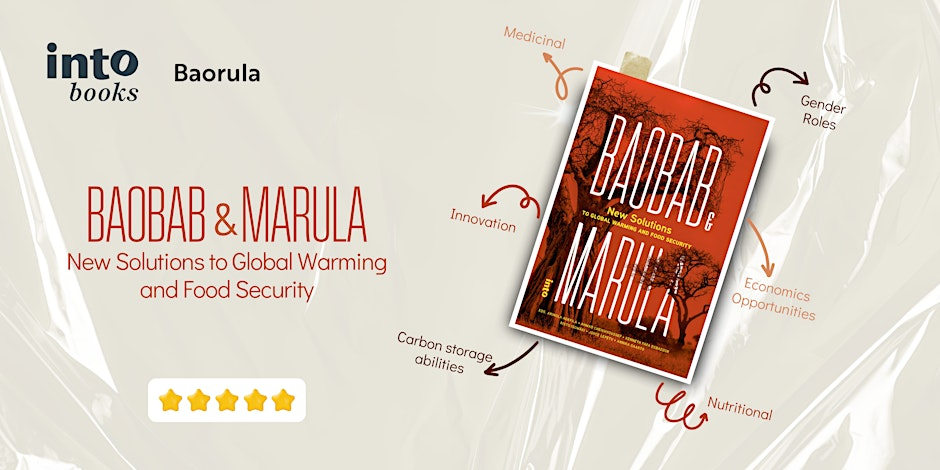
A new publication on Africa’s baobab and marula trees is drawing international attention to the economic and ecological potential of the continent’s indigenous resources.
The book titled “Baobab & Marula – New Solutions to Global Warming and Food Security,” highlights how the underutilised baobab and marula species could drive sustainable agribusiness, empower local communities, and strengthen Africa’s role in addressing global climate challenges.
The book published by Into Publishing in partnership with the BAORULA Network is set to be launched virtually on Wednesday, September 17, with contributions from 35 African and international experts.
As the global market for baobab continues to grow, the book positions Africa not just as a supplier of raw materials but as a driver of new business models that combine ecological resilience with economic opportunity.
With climate volatility threatening food systems across the continent, the publication points to baobab and marula as climate-resilient species that not only provide nutritional and economic value but also restore degraded land and sequester carbon. Their adaptability, it argues, makes them central to Africa’s national adaptation strategies and broader nature-based climate policies.
“This is more than a book. It is a blueprint for how Africa can lead through nature-based solutions and sustainable enterprise,” Professor of Social Policy and Equality, Diversity and Inclusion at Buckinghamshire New University, Prof. Arinola Adefila said.

For Adefila, the baobab’s significance is both practical and deeply cultural. In her contribution to the book, she described the tree as a library where the books are people, recalling how generations in her Kwara State community gathered under its branches for shade, stories and sustenance.
“The baobab teaches patience; it grows slowly, but it feeds entire villages,” she wrote.
Her reflection captures the essence of the book: a reminder that ancient wisdom and modern innovation can meet at the roots of Africa’s indigenous trees.
“The baobab is not just a tree. It is a classroom, a clinic of shade, and a bank of resilience,” Adefila added.
According to Stellar Market Research, the global baobab market was valued at 4.31 billion dollars in 2024 and is projected to reach 9.24 billion dollars by 2032, growing at a compound yearly rate of 10 per cent. Africa remains the sole source of baobab fruit, placing the continent at the heart of this expanding industry.
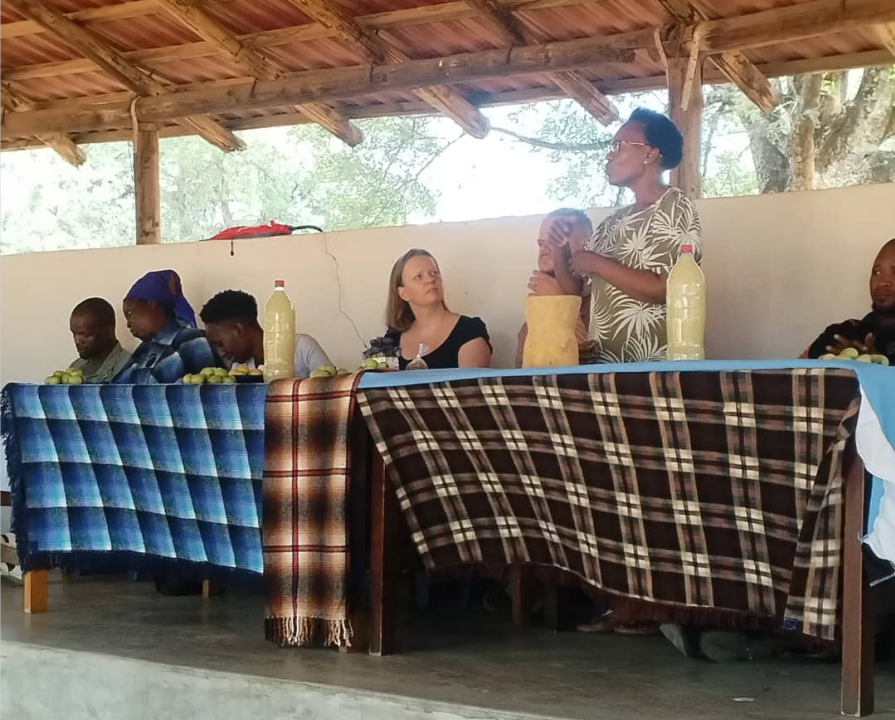
Experts note that major opportunities exist for producers, cooperatives, and small businesses in countries such as Nigeria, Ghana, Senegal, Botswana, Namibia and Côte d’Ivoire. The report underscores that processing of baobab and marula is already encouraging the rise of women-led cooperatives and inclusive supply chains, creating pathways for rural entrepreneurs and community-based enterprises.
According to the editors, the book also speaks to the priorities of the African Development Bank Group, which has emphasised investment in inclusive agribusiness models. Case studies from Nigeria, Ghana, Senegal and Côte d’Ivoire illustrate how targeted financing could help women-led and community-driven projects scale sustainably.
 The book’s release comes at a time of renewed interest in indigenous knowledge and local enterprise. Advocates saif Africa’s natural resources, if managed sustainably, could create significant opportunities for youth and women, while also positioning the continent as a key player in global markets for climate-smart products.
The virtual launch event will take place on September 17, 2025, from 1:00 p.m. to 3:00 p.m. (WAT). Registration is open at https://baobabandmarula.framer.website For more information, case studies, and interview requests, media representatives are advised to contact: [email protected].

