 Follow Us on Google News
 Follow Us on Google Discover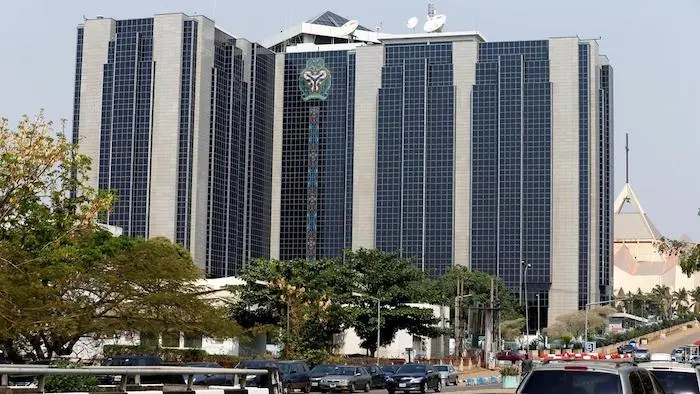
Experts in the credit sector have called for sweeping reforms in Nigeria’s credit regulation framework, arguing that a vibrant and well-regulated credit system must be put in place for the country to achieve its $1 trillion economy by 2030.
While stressing that credit is crucial to sustain economic growth, the stakeholders called on the Central Bank of Nigeria (CBN) to review and update the credit regulatory framework and enforce laws on excessive lending rates while monitoring digital lenders’ behaviour more strictly.
Delivering his keynote address at the National Institute of Credit Administration conference 2025, themed ‘Credit Policy and Regulation: The Regulatory Frameworks and Policies That Impact Credit Management in Nigeria’, featuring Nigeria Credit Industry Awards, induction of new National Institute of Credit Administration (NICA) members and graduation ceremony, founder/Chief Consultant, B. Adedipe Associates Limited (BAA Consult), Biodun Adedipe, criticised what he described as one-size-fits-all regulations by the apex regulator, arguing that commercial banks, mortgage banks, and microfinance banks operate under significantly different conditions that current regulatory frameworks fail to acknowledge.
While highlighting the contradictions within the CBN’s current policies, he noted that the liquidity ratio policy continues to shrink the lending space and push banks to channel more of their investable funds into fixed income securities.
Describing the policy as confusing, he said that while the CBN has defined and raised the loan-to-deposit ratio (LDR) to encourage lending, it simultaneously imposes liquidity and reserve requirements that drive lending institutions toward liquid assets instead of credit expansion.
He, however, urged the CBN to redefine its mandate to include price stability, job creation, and financial system stability, inspired by the United States Federal Reserve. He said that about 90 per cent of Nigerian adults patronise the informal credit market, stressing the need to deepen the formal sector.

The Minister of State for Finance, Dr Doris Uzoka-Anite, echoed a similar sentiment, saying the strength of a nation’s credit system is closely tied to the strength of its economic foundation.
She observed that the country’s credit markets have become vulnerable to abuse, instability, systemic risk and unsustainable lending practices.
She, however, noted that these challenges require a coordinated approach where regulators, practitioners, policy makers, financial institutions, technology providers and academia will need to collaborate to ensure a robust solution.

