 Follow Us on Google News
 Follow Us on Google Discover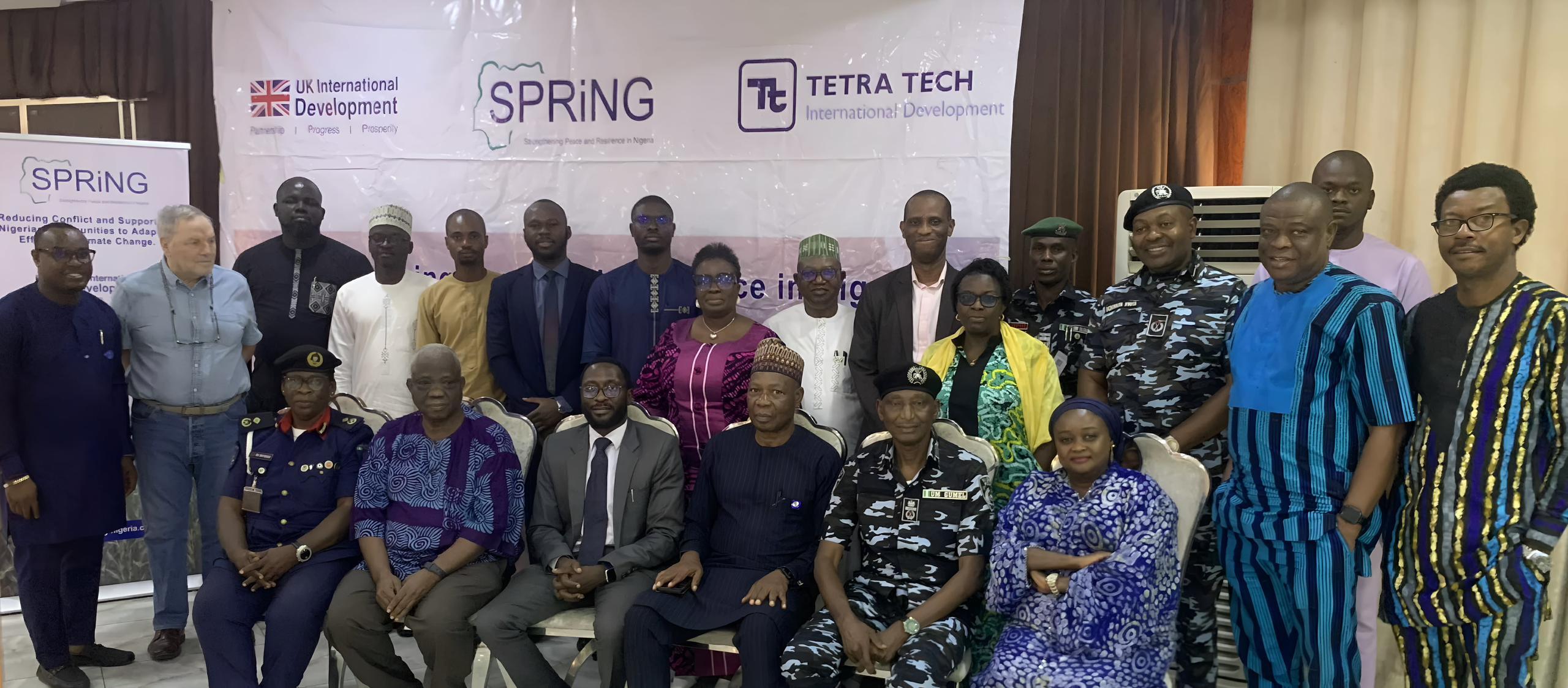
As Nigeria grapples with worsening security challenges, stakeholders in the security sector have intensified calls for evidence-based state policing, describing it as a critical reform capable of improving local responsiveness, rebuilding community trust and strengthening accountability in law enforcement.
The advocacy served as the focus of a high-level dissemination workshop and policy dialogue on the paper “State Police in Nigeria: Prospects and Challenges,” which brought together senior security officials, policymakers, development partners, and security experts in Abuja.
Held at the weekend, the forum examined the opportunities, risks and institutional requirements for introducing state police within Nigeria’s federal system, particularly against the backdrop of rising banditry, kidnapping, communal violence and other security threats across several states.
State policing refers to the establishment of law enforcement agencies under the authority of individual states, rather than the centrally controlled federal police structure. Proponents argue that decentralised policing would enable quicker responses to local security threats, improve community engagement and reduce bureaucratic bottlenecks associated with centralised command.
Critics, however, caution against potential political interference, funding challenges, weak oversight and the duplication of roles.
Participants at the dialogue included the Deputy Inspector-General of Police, Mohammed Usman Gumel, representing the Inspector-General of Police; Pirmah Rimdans, Conflict Adviser at the British High Commission; ACP Ogbonnaya Nwota, Director of Research and Planning at the National Institute of Police Studies; DCC Onyeogu Benedicta, Head of Local Training at the Nigeria Security and Civil Defence Corps (NSCDC); and Chris Ngwodo, Director-General of the Office for Strategic Preparedness and Resilience (OSPRE), among others.

Author of the policy paper and renowned criminologist, Professor Etannibi Alemika, outlined the potential benefits of state policing while emphasising the need for strong constitutional safeguards, sustainable funding, effective inter-agency coordination and robust accountability mechanisms to prevent abuse.
Speaking at the event, Team Leader of the Strengthening Peace and Resilience in Nigeria Programme, Dr. Ukoha Ukiwo, stressed that the debate on state policing must be anchored on evidence rather than political sentiment.
“The conversation on state policing must go beyond rhetoric. It requires careful consideration of accountability, human rights protections and institutional capacity,” he said, adding that informed dialogue remains essential to achieving citizen safety, trust and sustainable peace.
Other speakers noted that while decentralised policing could improve local security outcomes and strengthen community relations, its success would depend largely on clear legal frameworks, institutional oversight and effective coordination between federal and state authorities.
The dialogue ended with an interactive plenary session during which participants interrogated the paper’s recommendations, shared insights from comparative policing models, and discussed strategies to enhance state capacity and community engagement.
The programme, funded by the UK Foreign, Commonwealth and Development Office (FCDO) and implemented by Tetra Tech International Development in partnership with Nextier SPD, the Centre for Democracy and Development (CDD) and the Centre for Humanitarian Dialogue (HD), aims to strengthen institutional capacity for conflict management, boost public confidence in key institutions and promote sustainable peace in Nigeria.

