 Follow Us on Google News
 Follow Us on Google Discover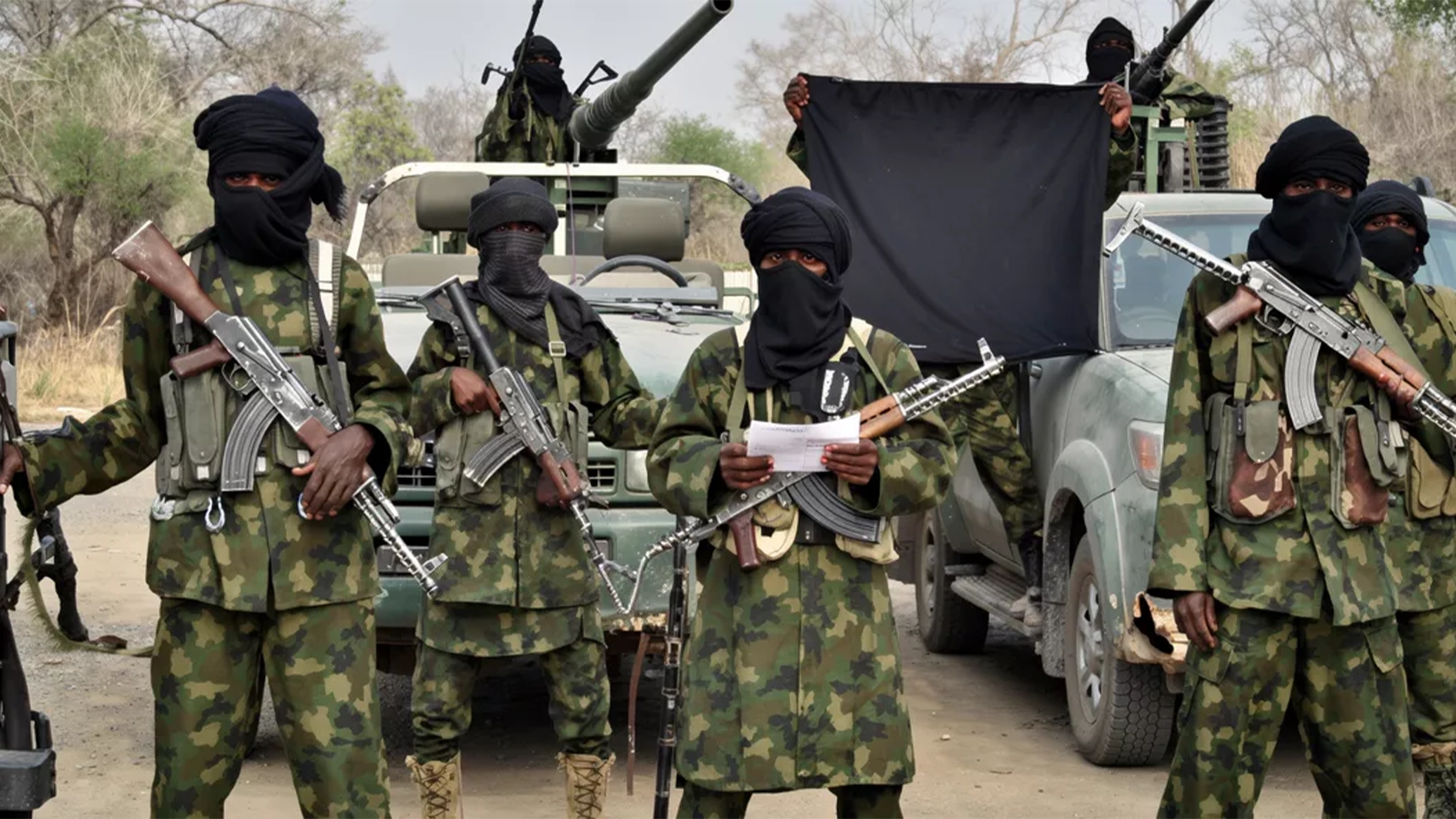
The Presidency recently criticised former President Olusegun Obasanjo for suggesting that the country’s leadership could seek the help of the international community in combating the growing insecurity nationwide.
The Presidency is at liberty to defend its actions and policies. However, democracies are judged by how safe citizens feel. When the contrary persists, aggressive justifications could be perceived as deliberate disengagement with reality or political pride.
“The suggestion that Nigeria should effectively subcontract its internal security to foreign governments is not statesmanship; it is capitulation,” writes Special Adviser to the President on Media and Public Communications, Sunday Dare. By the choice of words, the Presidency is either deliberately dismissing or being selective with the fact that, in international security practice, cross-border support, from intelligence-sharing to joint operations, is normal.
Therefore, calls for Nigeria to rely on foreign partners in its war against banditry, kidnappings, or terrorism need not be refracted through the distorting lens of “capitulation”, nor should the government’s insistence on maintaining “sovereignty” become a cloak for state inadequacy. Nigeria, like many nations across the world, already relies on partners for military hardware, training and intelligence. Obasanjo’s admonition is not materially different. If anything, it is a more forthright acknowledgement of an obvious problem and a plausible path to solving it.
The Presidency might argue that insecurity began to take root under the Obasanjo leadership. Those who advance this narrative must, however, reckon with the fact that more than two decades have passed since Boko Haram emerged, and over 15 years since Mohammed Yusuf and his followers launched their uprising. The monster has since evolved, shifting its methods, weaponry and geographical reach. Pointing fingers at a past administration while thousands of innocent citizens continue to be slaughtered suggests a government that has run short of forward strategies.
The claim that when former leaders disparage the nation’s capacity, they “hand psychological victories to terrorists” misses a critical point. It also signifies an unfortunate inability to welcome any line of thinking that is not exclusively from the current government’s circle. Criticism from elder statesmen, especially when they reflect widespread frustration among the citizenry, does not embolden impunity. Silence does. Pressure from Obasanjo and any other person willing to speak for the people will only strengthen accountability and compel urgency.

The Presidency’s counter-argument about sovereignty is ironic. It cannot be that Aso Rock has a distinct definition of sovereignty that reads “parts of the country may remain ungoverned spaces, provided the Presidential Villa is safe.” If foreign support improves security, enabling farmers in Benue, Plateau, Zamfara, and other states to return to their fields, is sovereignty actually weakened or strengthened by the restoration of territorial control?
“We are part of the world community. If our government cannot do it, we have the right to call on the international community to do for us what our government cannot do for us. If we are being killed, it is the responsibility of the government to do something about it,” Obasanjo had emphasised.
However, the language deployed by the Presidency as it sought to forcibly shoot down the statement of a two-term Nigerian president is regrettable. It bears little semblance to diplomacy, decency, or the respectful fabrics of local cultures. Referring to Obasanjo’s words as “selective amnesia wrapped in elder-statesmanship” or “alarm raising” risks being interpreted as the panicky response of a government keener to discourage criticism than to seek fresh ideas on how to stop the murder of innocent citizens. Hence, it must draw out the sledgehammer for the most innocuous remarks.
There is precedent for recourse to foreign assistance. In 2015, former President Goodluck Jonathan employed mercenaries. The Specialised Tasks, Training, Equipment and Protection (STTEP) — a private military company chaired by Eeben Barlow, a former lieutenant-colonel in the South African Defence Force and founder of Executive Outcomes — has been credited with helping Nigerian forces clear Boko Haram from several local councils in Borno State. There were also reports of pilots and technicians from Eastern Europe (specifically Ukraine) flying attack helicopters.
The operation, in conjunction with the Nigerian military, has been described as highly effective. At the time, the government was reluctant to admit the extent of the foreign involvement. Government spokespersons initially claimed the foreigners were merely training Nigerian troops on newly acquired hardware. Barring vain politicking, the refutation was unnecessary. Barlow would later grant interviews detailing how his team led the “aggressive pursuit” of Boko Haram, using “relentless offensive action” to break the insurgents’ hold on the region.
Nevertheless, the Federal Government must tread cautiously with foreign assistance from select countries, especially where precedents have proven that such partnerships are fraught with diplomatic or neo-colonialist tightropes and may even stir further insecurity and discontent among local populations. Also, in the long run, security is local, and the government should rely more on the country’s armed forces to rout criminals, including terrorists. The success of indigenous security in this regard will certainly serve as a morale booster to troops. That said, as long as President Donald Trump remains one of the most powerful leaders in the world, his Nigerian counterpart must work out a delicate balance in interrelations: one that seeks to milk the best the United States can offer while at the same time protecting the broader interests of Nigeria.
Rather than bludgeoning its critics, the Presidency could do better by channelling its energy towards addressing long-running allegations of corruption and sabotage within the military while fast-tracking moves to decentralise the policing system. That Nigeria’s security architecture deserves an urgent overhaul must go beyond optics or conferences that have done little or nothing to bring down growing casualty figures. The Presidency must break free from its long-standing, politicised defensiveness on insecurity. While it views external help as degrading or humiliating, most Nigerians welcome it as a potential source of relief.
The Presidency is right to worry that an unguarded reliance on foreign assistance would be excessive, but it is wrong to cast stakeholders’ suggestions in terms bordering on treason rather than as an expression of national despair. Sovereignty means little if citizens cannot live long enough to enjoy it. Nigeria needs a pragmatic, collaborative security strategy; one that is patriotic enough to set aside political ego. It requires a serious security update, not semantic sparring between past and present leaders. No government loses dignity by seeking help; it only loses dignity when it cannot protect its people and yet refuses every ladder out of the pit.

