 Follow Us on Google News


 Follow Us on Google Discover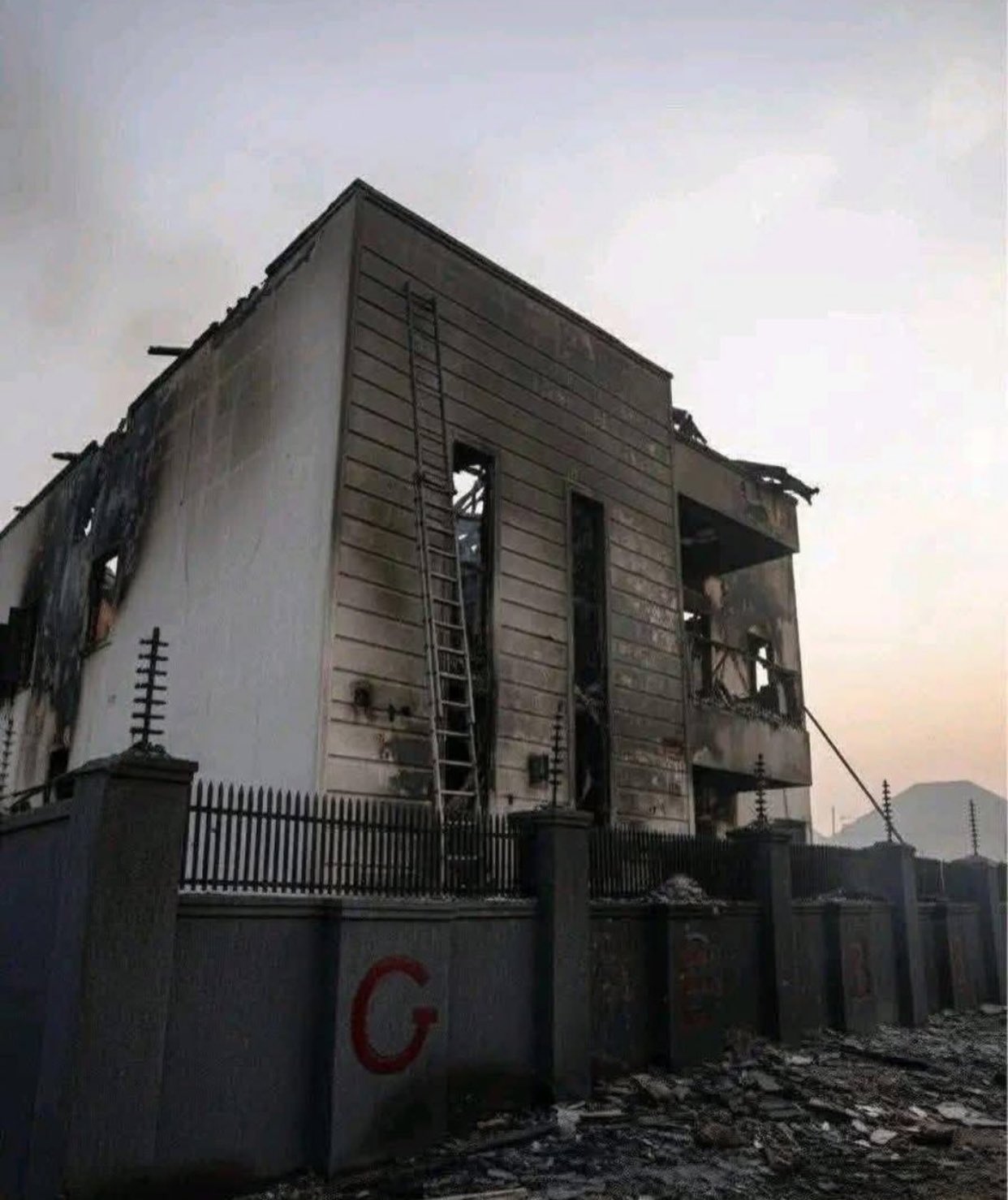
Social media personality Emmanuel Obrutse, better known as GehGeh, became the subject of intense online debate after rumours emerged that his newly unveiled GehGeh Museum in Delta State had been destroyed by fire.
GehGeh had earlier this week unveiled the museum, which he reportedly valued between ₦250m and ₦500m.
Videos from the launch showed large crowds gathered around the white multi-storey building and quickly circulated across social media platforms.
Days later, images purporting to show the building engulfed in smoke began spreading online. The posts gained further traction after GehGeh shared emotional messages on his page, including one that read, “The heart of man is wicked.”
However, social media users soon began questioning the authenticity of the images.
Observers pointed out the absence of videos showing open flames, firefighters, or emergency responders at the location.

As scrutiny increased, several users pointed out visual inconsistencies in the images, noting that the smoke patterns and debris appeared unusually uniform, leading many to conclude that the visuals were likely generated using artificial intelligence tools.
Some visitors and residents familiar with the area later confirmed online that the building remained intact, further strengthening claims that the fire images were fabricated.
GehGeh, whose real name is Emmanuel, rose to prominence through controversial TikTok “lectures” that often spark debate. His GehGeh brand is known for provocative content designed to draw attention and engagement.
The alleged fire incident triggered backlash from sections of the online community, with critics accusing the influencer of chasing attention. Others warned that circulating misleading visuals could damage public trust.
Several commenters called for people to unfollow him, describing the act as irresponsible. One widely shared comment read, “You should not play with fire, even if it is fake,” sparking heated arguments across comment sections.
GehGeh previously drew massive attention during a TikTok live session that reportedly peaked at about 177,000 viewers. He later claimed that gifts received during the session were worth approximately $30,000, which he described as life-changing.
Beyond GehGeh, the incident has reignited concerns about the growing use of AI-generated images online. Experts have warned that realistic fake visuals can easily mislead the public, especially when shared without verification.
In recent years, artificial intelligence has expanded beyond basic tasks such as searches to generating convincing images and videos based on prompts. While many Nigerians have embraced these tools, others remain wary of their misuse.
The GehGeh episode has highlighted how quickly misinformation can spread online and how difficult it can be for many users to distinguish between real and fabricated content.

