 Follow Us on Google News


 Follow Us on Google Discover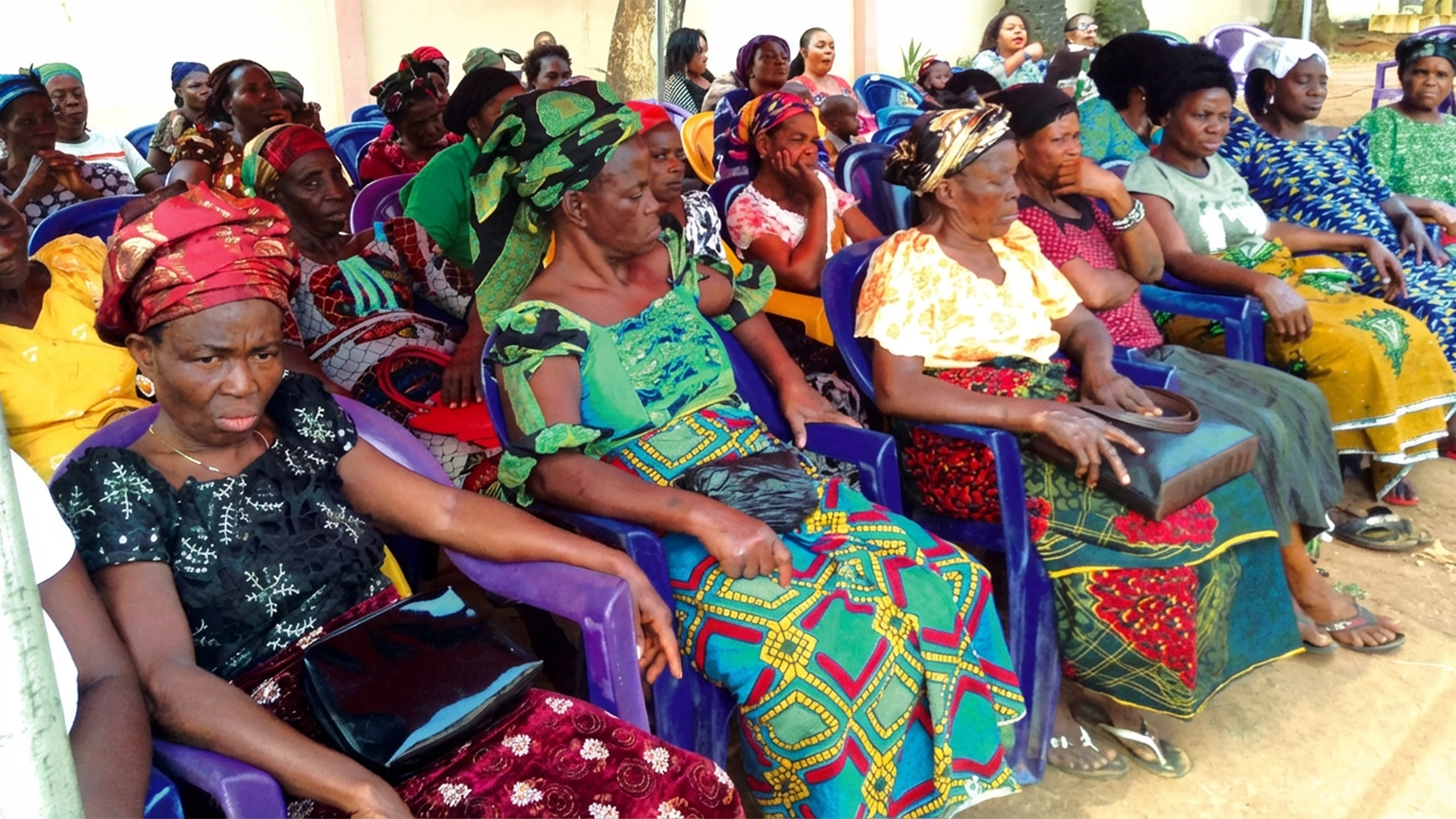
As Nigeria’s prolonged economic strain continues to erode household resilience, widows and orphans remain among the most exposed groups, often falling outside formal welfare coverage.
Their growing dependence on private and faith-based interventions has once again highlighted the fragility of the country’s social protection framework, particularly during periods of heightened economic stress.
This reality was evident at the 11th edition of the Smile for Widows and Orphans Outreach (SMILE Project), which reached about 1,500 beneficiaries with food items, gifts and limited empowerment support during the Christmas season. While the intervention provided temporary relief, it also underscored the absence of a structured national safety net for vulnerable households.
Convener of the initiative, Stephen Matthew, said the outreach was designed to ensure widows and orphans are not entirely excluded from seasonal support, noting that economic hardship is often compounded by psychological trauma and social isolation. He said the project sought to restore dignity and hope, beyond the immediate distribution of food items.
Nigeria’s social protection mechanisms have largely focused on broad-based poverty interventions, leaving widows and orphaned children insufficiently captured within existing welfare databases. Analysts note that many in this group operate outside formal systems, limiting their access to targeted support and increasing their reliance on community-driven relief efforts.
Co-founder of the SMILE Project, Halima Enike Matthew, said the steady growth of the outreach reflects rising vulnerability and unmet needs. She described the initiative as a long-term commitment rather than a one-off charity exercise, urging beneficiaries to remain resilient despite worsening economic conditions.
The programme also incorporated counselling and empowerment elements, which development experts argue are essential for reducing long-term dependency.
Global evangelist and entrepreneurship development scholar, Mike Oladun, described the initiative as impactful, stressing that sustainable interventions must combine material assistance with skills development and psychosocial support.

