 Follow Us on Google News
 Follow Us on Google Discover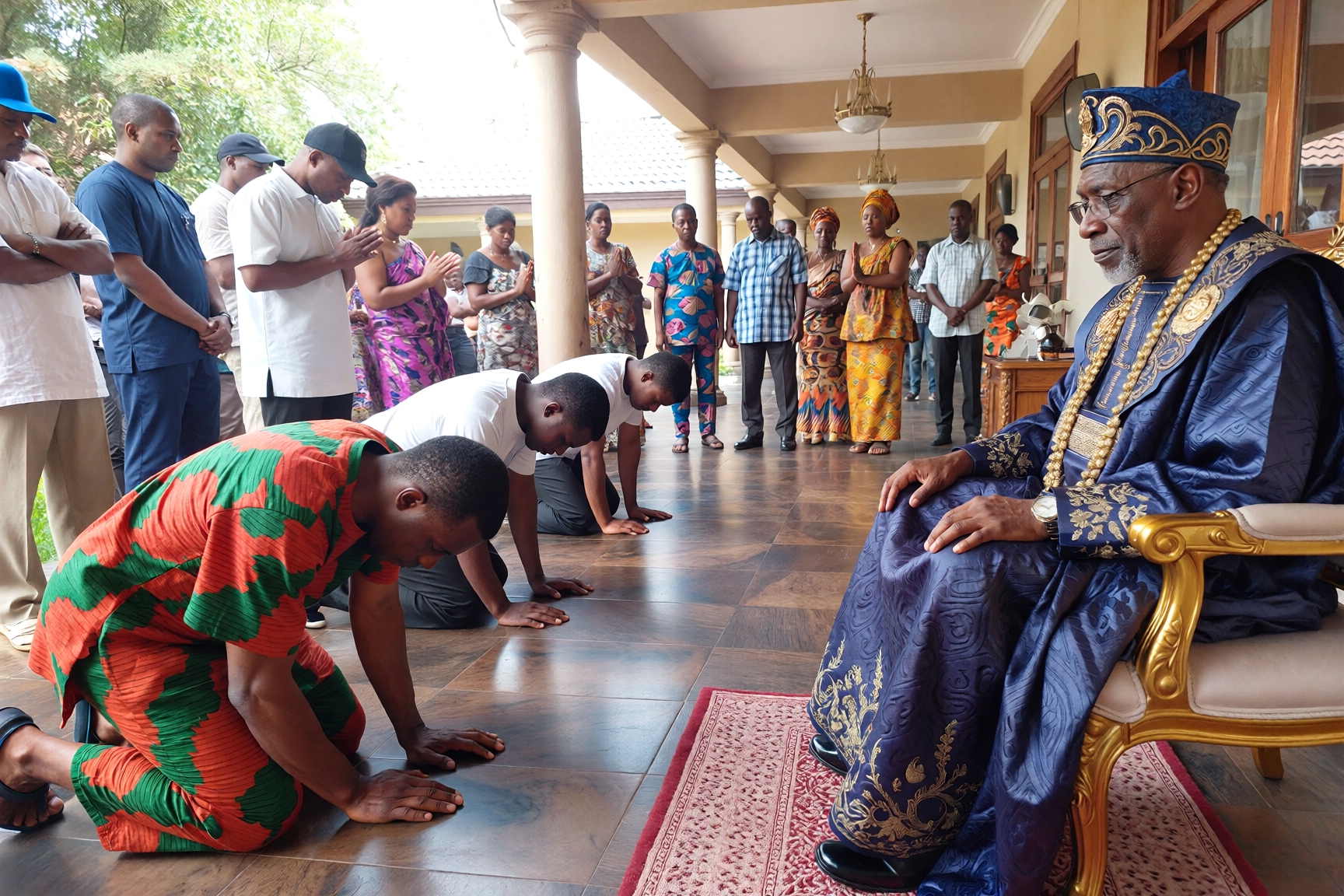
Hello, friend. I need to start this conversation with honesty: this article represents months of careful research into one of Nigeria’s most sensitive topics and years of experience living within communities where cultural taboos shape daily life in profound ways. What are the cultural taboos in Nigeria? The answer opens a window into the soul of Nigerian society, revealing how ancient traditions, religious beliefs, and social norms create invisible boundaries that govern everything from family relationships to business dealings. These taboos aren’t merely superstitions or outdated rules. They’re living traditions that continue to influence behaviour across Nigeria’s 371 ethnic groups, even as our nation modernises rapidly around them.
I still remember the first time I witnessed the power of taboo in Nigerian society.
I was visiting a friend’s village in Enugu State when an elderly man accidentally stepped into a sacred grove reserved for women’s initiation ceremonies. The entire community erupted in organised chaos. Elders were summoned, purification rituals arranged, and sacrifices prepared. The man, educated and successful in Lagos, submitted completely to traditional protocols despite his modern life. That moment taught me something essential: Nigerian taboos aren’t relics of the past that educated people dismiss. They’re active forces that command respect across generational and educational divides.
The National Council for Arts and Culture recognises these traditions as fundamental to Nigerian identity, noting that cultural prohibitions serve essential social functions in maintaining community harmony, protecting sacred spaces, and transmitting values across generations. Understanding what is taboo in Nigeria requires appreciating how these restrictions emerge from different sources including ethnic customs, religious teachings, and social conventions, each carrying different weights of consequence for violation.
What Are Some Taboos in Nigeria?
Nigerian taboos span an enormous range of human activity. Some are universal across ethnic groups, whilst others are fiercely particular to specific communities.
The most widely shared taboos relate to respect hierarchies. Speaking disrespectfully to elders constitutes a serious taboo across virtually all Nigerian cultures, with consequences ranging from family ostracism to ritual punishment. I’ve seen grown men prostrate themselves before elders they’d offended, performing elaborate apologies that lasted days. Calling elders by their first names without proper titles (Uncle, Auntie, Chief, Alhaji, Pastor) violates fundamental respect codes.

Sexual taboos carry enormous weight. Adultery, particularly by women, remains deeply taboo despite changing attitudes in urban areas. Public displays of affection between couples are frowned upon, especially in Northern Nigeria where Islamic customs dominate. Homosexuality is taboo across Nigeria, criminalised by law and condemned by both major religions and traditional beliefs. I won’t pretend this isn’t controversial internationally, but understanding Nigerian taboos requires acknowledging what exists, not just what we might prefer.
Food taboos vary dramatically by region and religion. Muslims avoid pork and alcohol, following Islamic dietary laws. Many traditional practitioners avoid specific animals considered spiritually significant to their deities. The Igbo historically considered eating python taboo because of its association with certain deities, though this varies by community. Some families have specific food taboos passed down through generations, often related to totem animals or historical events.
Marriage taboos create complex social navigation. Marrying within your clan or family lineage is strictly taboo across most Nigerian cultures, with elaborate genealogical investigations conducted before traditional marriages to ensure no blood relationship exists. The Federal Ministry of Information and National Orientation’s cultural documentation notes that these marriage restrictions serve genetic health purposes whilst also maintaining social structures. Inter-religious marriages, whilst becoming more common, remain deeply taboo in conservative families.
Land and property taboos protect sacred spaces. Certain forests, rivers, or mountains are designated as sacred to specific deities, making it taboo to farm there, hunt there, or even enter without proper ritual preparations. I once interviewed a farmer who’d cleared land near what he thought was ordinary forest, only to discover he’d violated a centuries-old taboo protecting a sacred grove. The community’s response was swift and uncompromising.
What Are Some Examples of Cultural Taboos?
Let me share specific examples that illustrate how these taboos operate in daily Nigerian life.
Among the Yoruba people of southwestern Nigeria, it’s taboo for a pregnant woman to kill snakes, as this is believed to cause complications during childbirth. My own aunt in Ibadan once screamed for neighbours when she found a snake in her kitchen during pregnancy, absolutely refusing to harm it herself despite obvious danger. Traditional beliefs held that killing the snake would cause her baby to be born entangled in the umbilical cord.
In Igbo culture, the Osu caste system represents one of Nigeria’s most persistent and controversial taboos. People descended from those historically dedicated to deities as living sacrifices remain socially ostracised in some communities, forbidden from marrying freeborn Igbo despite legal equality. This taboo causes immense suffering, breaking apart modern relationships when families discover Osu ancestry. I’ve personally known couples who defied this taboo, facing complete family rejection as consequence.
Hausa-Fulani culture in Northern Nigeria maintains strict gender separation taboos. Men and women who aren’t married or closely related shouldn’t be alone together in private spaces. Even in professional settings, these boundaries influence how meetings are conducted and business is transacted. A female journalist friend once told me about interviewing a Northern traditional leader who insisted on having witnesses present throughout their conversation to maintain propriety.
The taboo against using your left hand for eating or greeting spans most Nigerian cultures. The left hand is considered unclean, historically associated with toilet hygiene before modern plumbing. I’ve watched foreign visitors innocently offer their left hand in greeting, only to see Nigerian hosts visibly recoil. In restaurants, even left-handed Nigerians eat with their right hands, so powerful is this taboo.
Whistling at night is taboo across various Nigerian communities, believed to summon evil spirits or snakes. My childhood in Lagos was filled with stern warnings never to whistle after dark. Even now, educated adults often observe this restriction, though they might laugh awkwardly when explaining why.
The practice of respecting traditional beliefs surrounding twins represents another powerful taboo. Among some ethnic groups, twins were historically killed because their birth was considered unnatural or cursed. Though Christianity largely ended this practice, remnants persist in how twins are treated specially, given specific names, and subjected to particular rituals. These cultural adaptations rather than complete abandonment show how taboos evolve whilst maintaining their essential character.
What Is a Taboo in Yoruba Culture?
Yoruba cultural taboos deserve special attention because Yoruba people constitute one of Nigeria’s three largest ethnic groups and their cultural influence extends throughout West Africa.
The concept of “eewo” (prohibition) is central to Yoruba traditional religion and social organisation. Each Yoruba person has personal eewo related to their family lineage, their orisa (deity), and their individual destiny. Breaking these taboos is believed to invite spiritual and physical calamity.
One profound Yoruba taboo involves showing disrespect at crossroads. Crossroads are considered spiritually powerful locations where the physical and spiritual worlds intersect. Sweeping crossroads, spitting there, or disposing of waste at crossroads all constitute taboo behaviour that could anger spiritual forces. I’ve seen Yoruba taxi drivers carefully avoid stopping directly at crossroads, preferring to pull slightly forward or back.
The taboo against pointing at rainbows is widely observed among Yoruba people. Rainbows are considered the path of Oshumare, the deity associated with serpents and cosmic order. Pointing at them risks offending this deity, potentially causing your finger to rot or become diseased. Children learn this taboo early, and I’ve watched adults instinctively hide their hands when rainbows appear.
Yoruba marriage customs include numerous taboos. A woman shouldn’t cook for her husband during menstruation in traditional households, as this period is considered spiritually potent and potentially polluting. Newly married brides observe elaborate restrictions on what they can eat, where they can go, and how they can behave during their first months in their husband’s family compound.
Death taboos in Yoruba culture are particularly complex. Announcing someone’s death requires specific protocols and phrases. You don’t simply say “he died” but use euphemisms like “he has gone to rest” or “he has gone home.” Pregnant women are forbidden from viewing corpses or attending burials, protecting both mother and unborn child from spiritual contamination. The wealth of burial customs and taboos reflects Yoruba beliefs about the continuity between the living and ancestral worlds.
Respecting elders through proper greetings constitutes a fundamental Yoruba taboo. Young people must prostrate (men) or kneel (women) when greeting elders, particularly in traditional settings. Walking past seated elders without bending slightly or greeting them properly invites severe social sanction. I learned this lesson painfully as a child when I walked upright past my grandfather’s friends and received a memorable scolding about proper behaviour.

Understanding Nigerian Taboos: A Practical Guide
Let me walk you through seven essential steps for understanding and navigating Nigeria’s complex taboo landscape, whether you’re Nigerian seeking deeper cultural knowledge or a visitor trying to avoid social disasters.
- Study Your Specific Context
Nigeria isn’t culturally monolithic. Research the particular ethnic group and region you’ll be engaging with. Yoruba taboos differ significantly from Igbo taboos, which differ from Hausa-Fulani taboos. Don’t assume what’s acceptable in Lagos translates to Kano or Enugu. Spend time with cultural literature, speak with elders, and observe how locals navigate social situations. The National Council for Arts and Culture maintains documentation on various ethnic traditions that provides valuable baseline knowledge, though nothing replaces direct cultural immersion.
- Prioritise Respect Protocols
Master the basics of Nigerian respect culture before worrying about obscure taboos. Learn proper greeting customs for different age groups and status levels. Understand how to address elders, traditional rulers, and religious leaders correctly. These respect protocols form the foundation that makes other cultural navigation possible. When you demonstrate sincere respect, Nigerians tend to forgive minor taboo violations from outsiders whilst gently correcting you.
- Observe Carefully Before Acting
Watch what Nigerians around you do in unfamiliar situations. If you’re attending a traditional ceremony or visiting a rural community, take your cues from locals. Notice which spaces people avoid, what actions they refrain from, and how they modify behaviour in different contexts. This observational learning prevents many taboo violations. I’ve avoided countless cultural landmines simply by watching and waiting before acting in new situations.
- Ask Questions Respectfully
Nigerians generally appreciate genuine cultural curiosity. When unsure about appropriate behaviour, ask a trusted local friend or host. Frame questions respectfully: “I want to behave correctly. What should I avoid doing here?” Most Nigerians are proud of their cultural traditions and happy to educate willing learners. The caveat is timing; don’t interrogate people about taboos during serious ceremonies or emotionally charged situations.
- Understand Religious Dimensions
Nigeria’s major religions (Christianity, Islam, and traditional African religions) all generate taboos, and these often overlap with ethnic customs in complex ways. A behaviour might be taboo because it’s prohibited in Islam, because it violates Yoruba tradition, or both. Understanding the religious foundations of taboos helps you navigate multi-faith environments, which describes most of Nigeria. When visiting different regions, research whether Islamic customs or Christian practices dominate local social expectations.
- Recognise Generational Differences
Younger, educated, urban Nigerians often observe taboos less strictly than older, rural, or traditional Nigerians. However, even cosmopolitan Nigerians in Lagos or Abuja often maintain certain taboos, particularly around family, death, and respect for elders. Don’t assume that a young Nigerian working in tech and wearing Western clothes has abandoned all traditional taboos. Many Nigerians maintain dual consciousness, modern in some contexts and deeply traditional in others.
- Accept Cultural Relativism
Some Nigerian taboos will seem arbitrary or even offensive to outsiders, particularly those related to gender, sexuality, or religious practices. Understanding taboos doesn’t require agreeing with them, but it does require accepting their reality in Nigerian social life. If you cannot observe certain taboos due to your own values, you may need to limit your engagement in specific contexts rather than expecting Nigerians to abandon centuries of tradition to accommodate you.
Regional Variations in Nigerian Taboos
Nigeria’s cultural diversity means taboos vary dramatically across regions, creating a complex patchwork of prohibitions that can confuse even Nigerians from different areas.
Nigerian Taboo Comparison Across Major Ethnic Groups
This table presents data compiled from ethnographic studies and cultural documentation between 2020 and 2025, showing how specific taboos manifest differently across Nigeria’s three largest ethnic groups.
| Taboo Category | Yoruba (Southwest) | Igbo (Southeast) | Hausa-Fulani (North) |
|---|---|---|---|
| Elder Respect | Prostration (men), kneeling (women) mandatory | Kneeling common, especially women | Bending at waist, respectful distance |
| Marriage Restrictions | Clan exogamy strictly enforced | Osu caste system, clan restrictions | Cross-cousin marriage sometimes permitted |
| Food Taboos | Specific to family orisa worship | Python historically taboo (varies) | Pork and alcohol forbidden (Islamic) |
| Gender Interaction | Relatively relaxed in urban areas | Mixed, trending towards openness | Strict separation, Islamic purdah |
| Burial Customs | Elaborate rituals, age-based dignity | Complex ceremonies, title considerations | Islamic burial within 24 hours |
| Sacred Spaces | Numerous groves, crossroads sacred | Sacred forests, deity shrines protected | Mosque sanctity, Islamic spaces |
| Pregnancy Taboos | Avoiding certain animals, foods | Various food restrictions, social limits | Islamic purity codes, health traditions |
| Left Hand Usage | Taboo for eating, greeting | Taboo for eating, greeting | Taboo for eating, greeting (universal) |
What strikes me immediately about this table is how certain taboos transcend ethnic boundaries whilst others are fiercely particular. The universal prohibition on left-hand usage for social interaction spans all groups, suggesting deep historical roots that pre-date ethnic differentiation. Meanwhile, marriage taboos vary enormously, reflecting different kinship systems and historical social organisation.
The gender interaction differences between groups have massive practical implications. A female businesswoman from Lagos might dress and behave in ways perfectly acceptable among urban Yoruba that would cause serious offence in conservative Hausa-Fulani contexts. Understanding these regional variations isn’t just cultural curiosity; it’s essential practical knowledge for anyone navigating Nigerian society.
What Are the 4 Types of Taboos?
Anthropologists generally classify taboos into four broad categories, and this framework helps make sense of Nigeria’s complex taboo landscape.
Religious Taboos
These taboos derive directly from religious teachings and beliefs. In Nigeria, Islamic dietary restrictions against pork and alcohol represent clear religious taboos. Christian denominations maintain various taboos, though these vary widely between Pentecostal, Catholic, and Orthodox traditions. Traditional African religions generate numerous taboos related to deity worship, sacred objects, and ritual purity. Religious taboos often carry the weight of divine punishment for violation, making them particularly powerful in Nigeria’s deeply religious society.
I’ve observed how religious taboos function in Nigerian life through my friend Fatima in Kano. She maintains strict halal dietary practices, won’t shake hands with unrelated men, and carefully schedules her daily prayers around work obligations. These aren’t personal preferences but religious obligations that shape her entire existence. Similarly, my Pentecostal neighbour in Lagos considers alcohol, smoking, and certain clothing styles taboo based on her church’s teachings, despite having no traditional or ethnic basis for these restrictions.
Social Taboos
Social taboos maintain community cohesion and social hierarchies. The prohibition against disrespecting elders, the requirement to participate in community events, and expectations around hospitality all function as social taboos in Nigeria. Violating these doesn’t anger gods or spirits but does result in social ostracism, damaged reputation, and community sanction.
The cost of violating social taboos can be enormous. A friend who refused to contribute to his father’s funeral in his village faced complete social exclusion from his community. Years later, he still cannot return home without facing hostility. The Federal Ministry of Information and National Orientation’s cultural policy framework recognises how these social taboos transmit values and maintain community bonds across generations.
Sexual Taboos
Sexual taboos regulate reproduction, marriage, and intimate relationships. Incest prohibition exists across all Nigerian cultures, as does the taboo against adultery (though consequences differ dramatically by gender). Premarital sex remains taboo in many communities despite changing practices, particularly for women. Homosexuality is severely taboo, both legally criminalised and socially condemned.
These sexual taboos create enormous tension in modern Nigeria, where global media exposure and urban anonymity challenge traditional sexual restrictions. Young Nigerians increasingly engage in premarital sex whilst maintaining public adherence to chastity expectations, creating a gap between professed values and actual behaviour that everyone pretends not to notice.
Death and Body Taboos
Taboos surrounding death, corpses, and bodily functions protect communities from spiritual and physical contamination. Pregnant women avoiding funerals, restrictions on who can prepare corpses for burial, prohibitions against certain mourning behaviours all fall into this category. Menstruation taboos, restrictions on handling sacred objects while bodily “unclean,” and protocols around human waste also belong here.
Death taboos in Nigeria are particularly elaborate. The way death is announced, who can view the body, timing of burial, appropriate mourning periods and behaviours all follow strict taboo-governed protocols that vary by ethnicity, age of deceased, and cause of death. I’ve attended funerals where extended families spent more time arguing about proper taboo observance than actually mourning, such is the importance of these restrictions.
The Evolution of Nigerian Taboos in Modern Context
Nigerian taboos aren’t frozen in time despite their ancient origins. They evolve, adapt, and sometimes disappear as Nigerian society changes.
Some taboos have weakened considerably. The historic taboo against twin births that once led to infanticide has been almost entirely abandoned due to Christian missionary influence. The Osu caste system, whilst still powerful in some Igbo communities, faces increasing legal and social challenges. Inter-ethnic marriages, once nearly unthinkable, are becoming common in urban areas despite remaining taboo in many rural communities.
Technology and urbanisation create new pressures on traditional taboos.
Young Nigerians living in Lagos, Abuja, or Port Harcourt often openly violate taboos that their parents and grandparents observe strictly. Dating apps facilitate relationships that bypass traditional family involvement and investigation protocols. Social media exposes Nigerians to alternative values that question the foundations of certain taboos. The anonymity of cities allows behaviour impossible in villages where everyone knows everyone’s business.
Yet taboos demonstrate remarkable resilience. Even highly educated, internationally exposed Nigerians often maintain core taboos around elder respect, death customs, and family obligations. I’ve known Nigerians with PhD degrees from American universities who still won’t eat certain foods their grandmothers forbidden, who still perform traditional rituals before major life transitions, who still arrange elaborate apologies when they’ve offended elders.
Economic factors also influence taboo evolution. The enormous cost of traditional marriages (bride price can reach ₦2 million to ₦5 million in urban areas) has led some couples to simplify or skip traditional ceremonies, though this remains somewhat taboo. Young Nigerians increasingly question gender-based taboos that restrict women’s economic opportunities, though change comes slowly and unevenly across regions.
What Are the Cultural Taboos in Nigeria: The Complete Answer
Having explored Nigerian taboos from multiple angles, let me provide the comprehensive answer this question demands.
Cultural taboos in Nigeria are socially enforced prohibitions rooted in traditional beliefs, religious teachings, and communal values that regulate behaviour across the nation’s 371 ethnic groups. These taboos encompass restrictions on food consumption, sexual behaviour, marriage choices, social interactions, respect protocols, spiritual practices, and death customs. Major categories include universal taboos observed nationwide (such as disrespecting elders or using your left hand for eating), ethnic-specific taboos particular to groups like the Yoruba, Igbo, or Hausa-Fulani, religious taboos derived from Islam and Christianity, and regional taboos that vary between Northern and Southern Nigeria. Key taboos include: prohibitions against marrying within your clan, requirements for elaborate respect displays towards elders, restrictions on gender interactions (especially in Northern Nigeria), food taboos related to religious beliefs and traditional practices, sexual taboos including criminalized homosexuality and condemned adultery, death and burial customs governing appropriate mourning behaviour, sacred space restrictions protecting spiritually significant locations, pregnancy taboos limiting activities of expectant mothers, and various prohibitions around bodily functions and ritual purity. Violating these taboos can result in social ostracism, family rejection, spiritual consequences according to traditional beliefs, legal penalties for certain violations, and required ritual purification or sacrifice to restore balance.
Understanding these taboos requires recognising they’re not arbitrary superstitions but living traditions that maintain social order, transmit cultural values, protect community boundaries, and connect Nigerians to ancestral heritage. The strength and specific expression of taboos varies by age, education level, urban versus rural location, and degree of religious conservatism, with younger, educated, urban Nigerians generally observing taboos less strictly whilst maintaining core prohibitions around family, death, and elder respect.
Linking Nigerian Taboos to Broader Cultural Understanding
Understanding taboos provides essential context for comprehending Nigerian society more broadly. These prohibitions reflect deeper values about community, hierarchy, spirituality, and proper social order.
If you’ve found this exploration of cultural restrictions valuable, you might want to delve into related aspects of Nigerian life. My article on cultural diversity in Nigeria examines how 371 ethnic groups maintain distinct traditions whilst coexisting in one nation, providing broader context for the ethnic variations in taboos discussed here. Additionally, my piece on traditional clothing in Nigeria explores how cultural identity manifests through attire, another domain where taboos govern appropriate dress codes across different contexts and regions.
Moving Forward: Practical Applications
Here’s what I hope you’ll take away from this comprehensive examination of Nigerian cultural taboos:
Taboos aren’t obstacles to modern development but rather frameworks that continue to structure Nigerian social life in meaningful ways. Whether you’re Nigerian seeking deeper understanding of your own cultural heritage, a visitor preparing for travel or business in Nigeria, or simply someone interested in African cultural systems, recognising the power and persistence of taboos is essential for successful navigation of Nigerian society.
Approach taboos with respect and curiosity rather than dismissal or judgement. Many taboos that seem arbitrary initially reveal complex wisdom about social organisation, health practices, and community cohesion when examined carefully. Even when you disagree with specific taboos based on your own values, acknowledging their importance to those who observe them demonstrates the cross-cultural competence necessary for genuine engagement with Nigerian culture.
Key Takeaways:
- Nigerian cultural taboos span food restrictions, marriage prohibitions, respect protocols, sexual behaviour limits, and death customs, varying significantly across the nation’s 371 ethnic groups whilst maintaining some universal elements like elder respect and left-hand prohibitions.
- Taboos derive from traditional beliefs, Islamic and Christian teachings, and social conventions, functioning to maintain community cohesion, transmit values, protect sacred spaces, and regulate social hierarchies with violations resulting in social ostracism, family rejection, or required ritual purification.
- Understanding and navigating Nigerian taboos requires researching specific ethnic and regional contexts, observing local behaviour carefully, asking respectful questions, and accepting that even educated, urban Nigerians often maintain traditional restrictions around family, death, and elder respect despite superficial modernisation.
Frequently Asked Questions About Cultural Taboos in Nigeria
What happens if you violate a cultural taboo in Nigeria?
Consequences vary dramatically depending on the specific taboo violated, the community context, and whether the violator is local or foreign. Social consequences include ostracism from family and community, damaged reputation that can affect marriage and business prospects, and denial of participation in important ceremonies like funerals or weddings. Traditional communities may require ritual purification, animal sacrifices costing ₦20,000 to ₦200,000, or public apologies involving prostration before community elders.
Are Nigerian taboos the same across all ethnic groups?
No, taboos vary significantly across Nigeria’s 371 ethnic groups whilst sharing some universal elements. All groups prohibit disrespecting elders and using left hands for eating or greeting, but specific taboos around marriage, food, burial customs, and sacred spaces differ dramatically between Yoruba, Igbo, Hausa-Fulani, and minority groups. Regional differences between Northern and Southern Nigeria are particularly pronounced regarding gender interaction, with Northern Islamic culture enforcing stricter separation than Southern Christian-dominated areas.
Can foreigners be exempt from Nigerian cultural taboos?
Foreigners receive more leniency for minor taboo violations due to cultural ignorance, but fundamental respect taboos still apply fully to visitors. Nigerians expect foreigners to observe basic respect protocols towards elders, modest dress codes especially in religious contexts, and restrictions on entering sacred spaces without permission. Claiming ignorance works once or twice for minor infractions, but repeated violations suggest disrespect rather than innocent mistakes and will damage relationships and business prospects.
How do educated urban Nigerians view traditional taboos?
Educated urban Nigerians demonstrate complex, dual attitudes towards taboos, often dismissing some whilst strictly maintaining others. Most maintain core taboos around elder respect, family obligations, and death customs regardless of education level or urban exposure, whilst relaxing restrictions on gender interaction, inter-ethnic marriage, and some food taboos. Many describe themselves as “modern but traditional” or “educated but cultural,” acknowledging tension between global values and ancestral practices without fully abandoning either framework.
What role does religion play in Nigerian taboos?
Religion profoundly shapes Nigerian taboos, with Islamic and Christian teachings overlaying and sometimes conflicting with traditional ethnic restrictions. Islamic dietary laws prohibiting pork and alcohol function as religious taboos for Nigeria’s approximately 50% Muslim population, whilst various Christian denominations maintain taboos around alcohol, immodest dress, and certain entertainment forms. Traditional African religions generate numerous taboos around deity worship, sacred objects, and ritual purity that many Christian and Muslim Nigerians simultaneously maintain, creating syncret ic taboo systems that blend ancestral and imported religious traditions.
Are taboos around twins still observed in Nigeria?
The historic taboo against twin births that led to infanticide has been almost entirely abandoned due to Christian missionary influence and modern education. However, twins still receive special cultural treatment including specific names (Taiwo and Kehinde in Yoruba culture), ceremonial recognition, and sometimes ongoing ritual attention throughout their lives. Some communities maintain positive taboos requiring special care and respect for twins, believing they possess spiritual power, whilst the negative practice of killing twins has essentially disappeared except in extremely isolated traditional communities.
How do pregnancy taboos manifest in Nigerian culture?
Pregnant women face numerous taboos across Nigerian cultures including restrictions on attending funerals or viewing corpses (believed to harm the unborn child), avoiding specific foods thought to cause complications, refraining from killing certain animals, and limiting participation in certain ceremonies or sacred spaces. Yoruba culture prohibits pregnant women from pointing at rainbows, whilst various cultures restrict pregnant women from sweeping at night or visiting certain locations. These taboos typically cost nothing to observe and are followed even by educated urban women despite medical advice sometimes contradicting traditional restrictions.
What are the consequences of breaking marriage taboos?
Violating marriage taboos produces severe and lasting consequences including complete family rejection for both partners, ostracism from community and extended family networks, exclusion from family inheritance and ceremonial participation, and social stigma affecting children born from taboo unions. Couples who marry within prohibited kinship lines or across caste boundaries (like Osu restrictions in Igbo culture) often face complete social isolation requiring them to build entirely new support networks. The emotional and financial costs can reach millions of Naira in lost family support, damaged business relationships, and psychological counselling expenses.
Do Nigerian taboos have legal enforcement?
Some Nigerian taboos have legal backing whilst others rely purely on social enforcement. Homosexuality is criminalized under Nigerian law with penalties up to 14 years imprisonment, reflecting taboo codification into state law. Adultery isn’t criminally prosecuted under statutory law but can affect divorce settlements and child custody, whilst some Northern states applying Sharia law can impose severe penalties. Most taboos, however, operate through social rather than legal mechanisms, with community sanction, family rejection, and reputational damage serving as primary enforcement regardless of legal status.
How can visitors show respect for Nigerian taboos?
Visitors should research specific ethnic and regional contexts before travel, observing how locals behave in religious sites, traditional ceremonies, and social gatherings. Essential practices include using right hands exclusively for eating and greeting, dressing modestly especially in Northern Nigeria and religious contexts, addressing elders with proper titles and respect, asking permission before photographing people or entering unfamiliar spaces, and removing shoes when entering homes or mosques. When uncertain, asking “What should I avoid doing here?” demonstrates respectful cultural curiosity that Nigerians appreciate. Budget ₦50,000 to ₦100,000 for appropriate traditional attire if attending important ceremonies, as proper dress shows serious respect for cultural protocols.
Can taboos change or evolve over time?
Yes, Nigerian taboos evolve continuously though at different rates for different restrictions. Some taboos have weakened substantially including prohibitions against twin births, absolute restrictions on inter-ethnic marriage, and certain gender-based limitations on women’s economic activities. Others remain powerful including elder respect requirements, clan exogamy rules, and many death customs. Technology, urbanisation, education, and globalisation accelerate taboo evolution, with changes occurring faster in cities than rural areas and among younger rather than older Nigerians. However, core taboos around family, respect, and communal obligations demonstrate remarkable resilience even among highly educated, internationally exposed Nigerians.
What is the Osu caste system and why is it still taboo?
The Osu caste system in Igbo culture designates descendants of people historically dedicated to deities as living sacrifices, creating a hereditary outcast status that persists despite legal equality. Marriage between Osu and freeborn Igbo remains strongly taboo in some communities, with families conducting extensive genealogical investigations before approving marriages and sometimes violently rejecting unions when Osu ancestry is discovered. This taboo causes immense suffering, breaking apart modern relationships and forcing some Igbo people to hide their ancestry or migrate to areas where their family history isn’t known, with psychological counselling for affected individuals costing ₦10,000 to ₦30,000 per session in urban areas where such services exist.

