 Follow Us on Google News


 Follow Us on Google Discover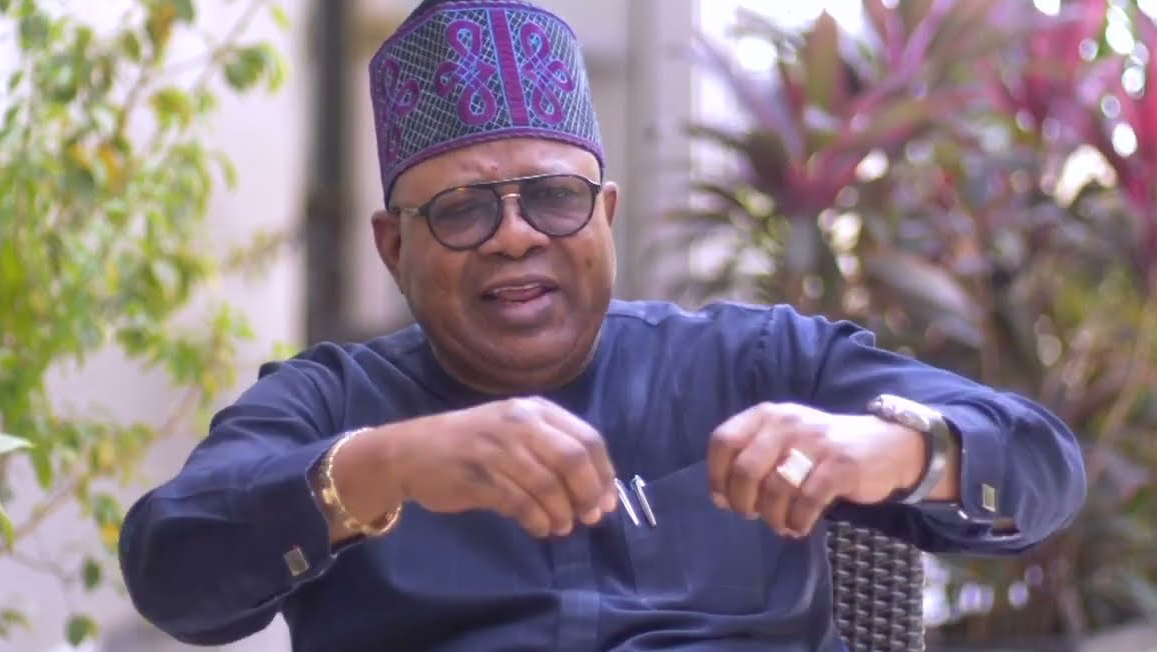
The immediate past Vice President for Africa and the Arab World of the Public Service International (PSI), Peters Adeyemi, in this interview with COLLINS OLAYINKA, speaks on wars within the African region, struggle for fair wages, PPP models and the future of the labour movement.
What is your assessment of the state of workers in the public service sector across the regions you served?
The situation of workers across Africa and the Arab region is deeply concerning. In the Arab world, the ongoing conflict between Israel and Hamas has had devastating consequences. It has impacted not just workers and PSI members, but virtually every human being living in that part of the world. Families have been displaced, livelihoods destroyed and public services stretched beyond capacity.
Only a few days ago, during the steering committee meeting of the global PSI in Geneva, we were compelled to pass an emergency resolution on the situation. The resolution called on governments, international bodies and stakeholders to intervene urgently and bring the crisis to an end. You cannot talk meaningfully about workers’ welfare in a region consumed by war.
In Africa, the crisis is largely economic, but it is just as destructive. Workers are facing declining real wages, rising inflation, currency instability and shrinking social protection. This is compounded by poor leadership choices across the continent.
You mentioned leadership choices. What role have African leaders played in the current economic crisis affecting workers?
They play a very significant role. With a few exceptions, African leaders have chosen to implement the economic ideologies of the Bretton Woods institutions almost wholesale, without adapting them to local realities, cultures or social structures. These policies prioritise austerity, currency devaluation and market liberalisation, often at the expense of workers and the poor.
There are very few examples of genuine homegrown economic models that consider the lived realities of African people. The irony is that many of the leaders were themselves influenced or supported by powerful external interests. So, why would they not dance to the tune of their benefactors?
The result is what we are seeing today: currencies devalued beyond redemption, rising poverty and workers whose wages can no longer sustain them. Take Nigeria as an example. When you convert the minimum wage into purchasing power, how much can it really buy today? That is the everyday reality workers are living with.

In such a dire situation, some critics argue that labour leaders have become helpless. How do you respond to that?
No trade unionist will ever say he is helpless. But it is important to understand the limits of trade union power. You cannot compare a trade union with a government; that would be a serious mistake.
Despite our limitations, labour has recorded concrete achievements. In Nigeria, for instance, would the current N70,000 minimum wage have become a reality without a sustained agitation from labour? Governments anywhere in Africa do not wake up and hand workers a living wage out of goodwill. It always comes after pressure, resistance and struggle.
Trade union rights are routinely abused across the continent. Yet, unions continue to push, even when the available means are limited. You cannot go beyond the tools at your disposal.
Labour actions are often portrayed as political or opposition-driven. Does this weaken union struggles?
Absolutely. In Nigeria, for example, whenever labour attempts to embark on industrial action, the government quickly labels it as opposition-sponsored. That narrative is used to delegitimise genuine workers’ demands.
In many African countries, unions are not even allowed to protest at all. It is only in countries like Nigeria, Kenya, South Africa, and a handful of others that trade unions can still exert some influence on government policy.
The deepening poverty across Africa cannot be blamed on trade unions. Labour did not campaign to become president or governor. Those responsible are the politicians who sought power and now govern without accountability.
Labour is often criticised for opposing the public-private partnership (PPP) model, which drives infrastructure development globally. Why is labour sceptical of PPP?
That criticism is unfair and, frankly, dishonest. It is like calling a dog a bad name to hang it. Labour is not opposed to development. What we oppose is corruption, lack of transparency and the transfer of public burden onto workers.
Take toll roads as an example. When tolls existed in the past, were the roads in good condition? Was corruption absent? Were the funds transparently used to maintain roads or build new ones?
The principle behind PPP and tolling is clear: generate revenue to maintain infrastructure and expand services. But when government officials collect tolls and steal the money, what do you expect workers to do? Clap for them?
Labour cannot endorse a system that enriches a few while workers pay more for poor services.
Some argue that labour should focus on fighting corruption rather than opposing the PPP framework. Is that not a fair argument?
We are constantly fighting corruption. But opposition to flawed PPP is part of that fight. If the objectives of PPP are clearly defined, transparently implemented, and properly monitored, labour would have fewer objections.
However, when PPPs become a cover for looting public resources, labour has a duty to resist. Workers cannot be asked to sacrifice endlessly in an environment where accountability is absent.
Labour is also accused of being anti-market, especially when it opposes subsidy removal. How do you explain this stance?
Again, this is a mischaracterisation. Many Africans, including Nigerians, have openly said they are willing to pay more for electricity — provided the supply is stable and reliable.
What workers oppose is being asked to pay higher tariffs in an environment of low wages, job insecurity, and inflation, while service delivery remains poor. You cannot burden workers further without fixing governance failures.Labour is not against reform. Labour is against injustice.
There is a perception that the golden era of the labour movement in Nigeria and Africa is over. What went wrong?
For a labour movement to produce vibrant leaders, the movement itself must be vibrant. Leadership quality reflects the strength of affiliates.
If affiliates are dormant, inactive, or poorly led, you cannot expect a strong labour centre. Vibrancy and intelligence must go together. The world is changing rapidly, and labour must adapt intellectually and structurally.
Unfortunately, politics has deeply infiltrated union elections. When leadership selection is based on political loyalty rather than competence, integrity, and track record, the movement suffers.
Many compare today’s labour leaders with figures like Hassan Sunmonu and Adams Oshiomhole. Is that comparison fair?
Those leaders emerged from strong, active affiliates and were not driven by political ambition. That gave them moral authority and independence. Under their leadership, the Nigerian labour movement was respected globally.
Today, too many leaders engage in “eye service” and bootlicking. When affiliate leaders prefer personal comfort over struggle, you cannot produce a militant or visionary movement. Leadership is not about titles; it is about courage, intelligence, and sacrifice.
How important is personal sacrifice in labour leadership today?
It is fundamental. Historically, leaders who transformed societies were prepared to face consequences — including imprisonment. Today, many labour leaders enjoy too much comfort to take risks.
Leadership is not a certificate of poverty, but when leaders live in opulence while workers suffer, credibility is lost. How do you mobilise workers when you are disconnected from their daily struggles?
Looking ahead, what should workers in Africa and the Arab world expect, and what must labour do differently?
We must struggle for economic emancipation and leadership change — both in government and within the labour movement itself.
Labour centres must invest heavily in research, data, and knowledge. You cannot confront government lies without facts. Sadly, many labour centres lack functional research departments, leaving affiliates stranded.
Strong labour movements elsewhere show what is possible. Centres must support affiliates with data, international comparisons, and negotiation tools.
Global unions like PSI must also remain relevant by supplying information and solidarity across regions. If we fail to do this, then we are failing workers.
The ultimate task is to restore dignity, democracy, and decent work to the lives of working people — in Africa, the Arab world, and beyond.

