GDN SIDEBAR
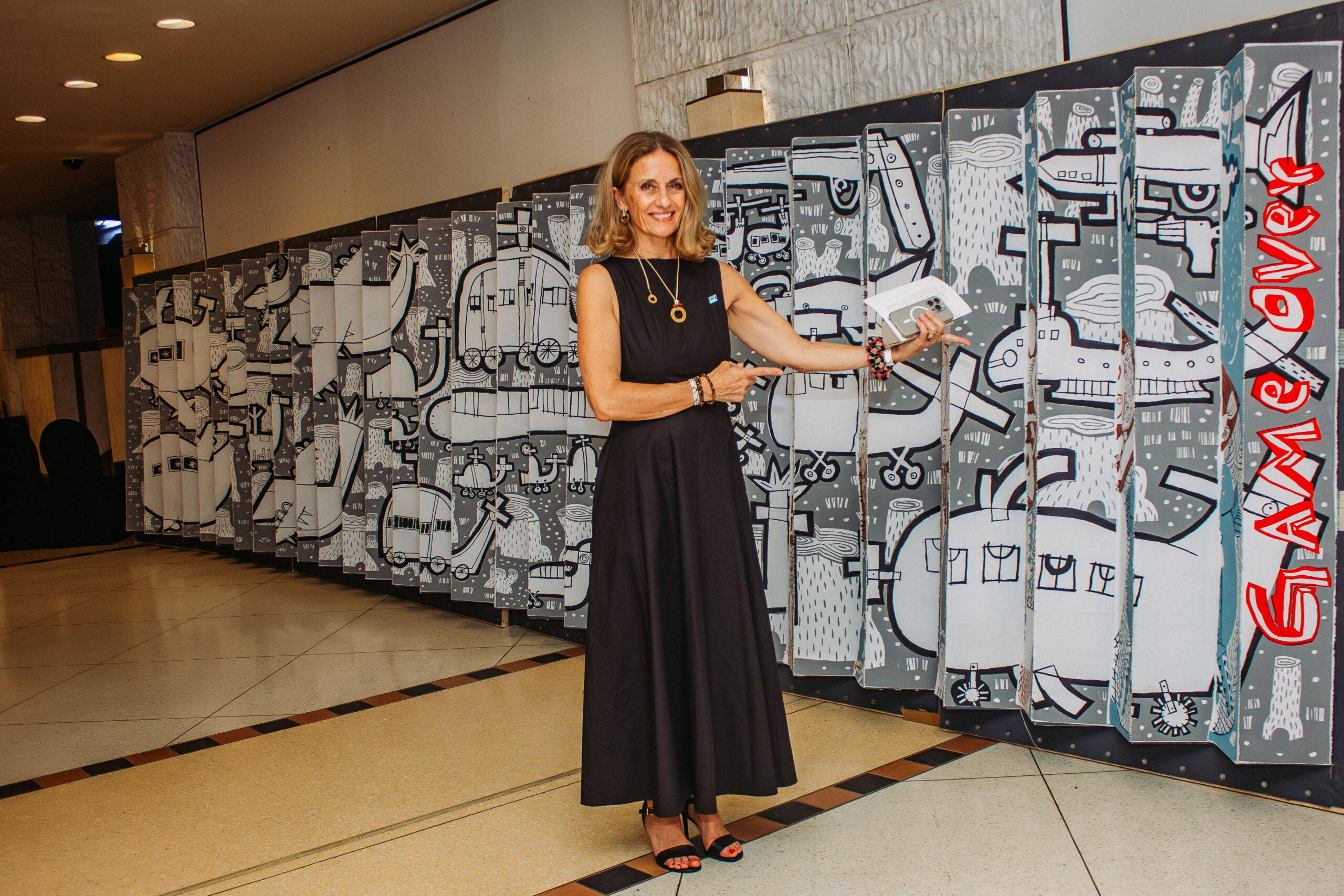
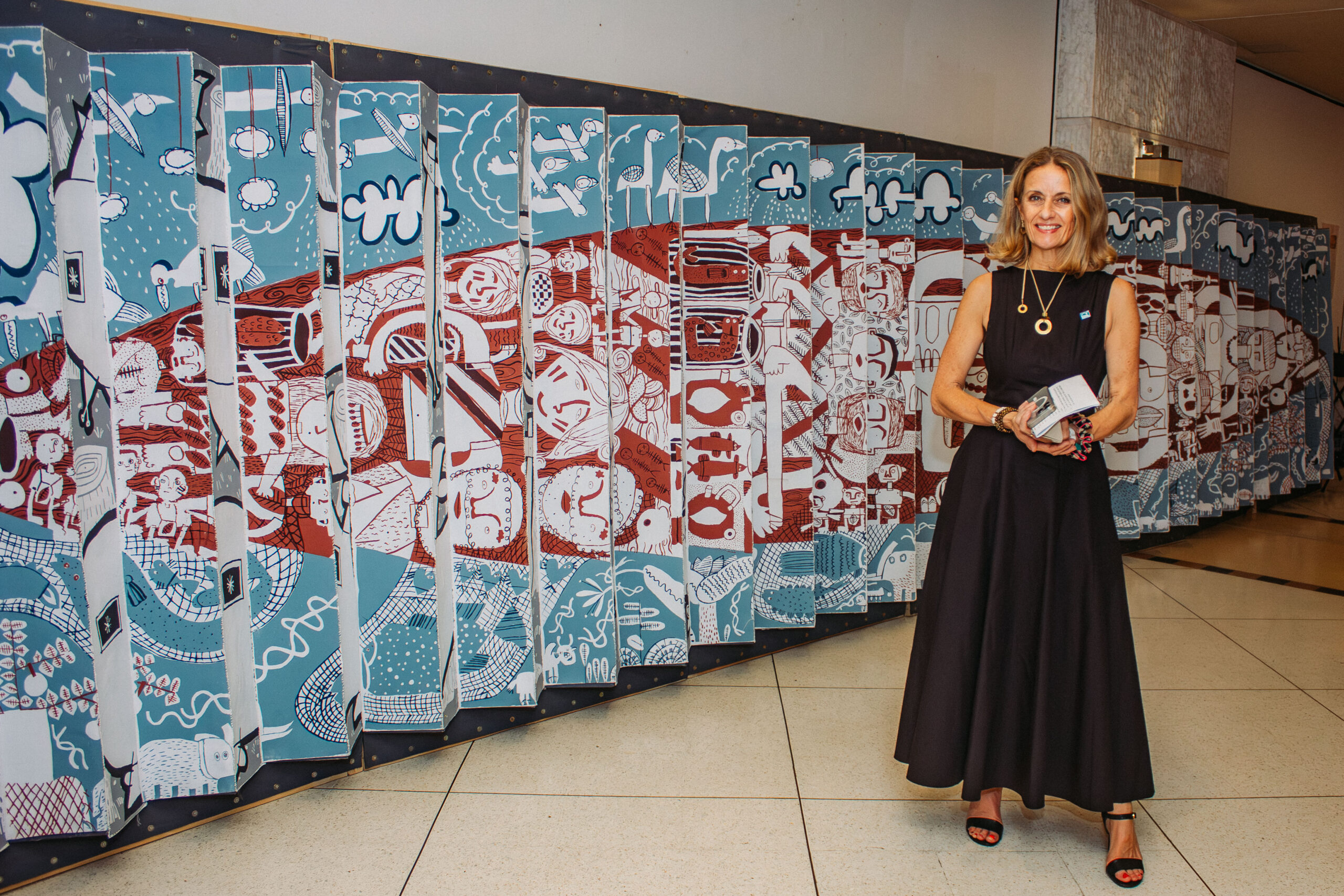
Founder and Convenor of Lokoja Dialogues, Polly Alakija, has warned that Nigeria’s broken water cycle is threatening livelihoods, food production, public health and economic survival across the country.
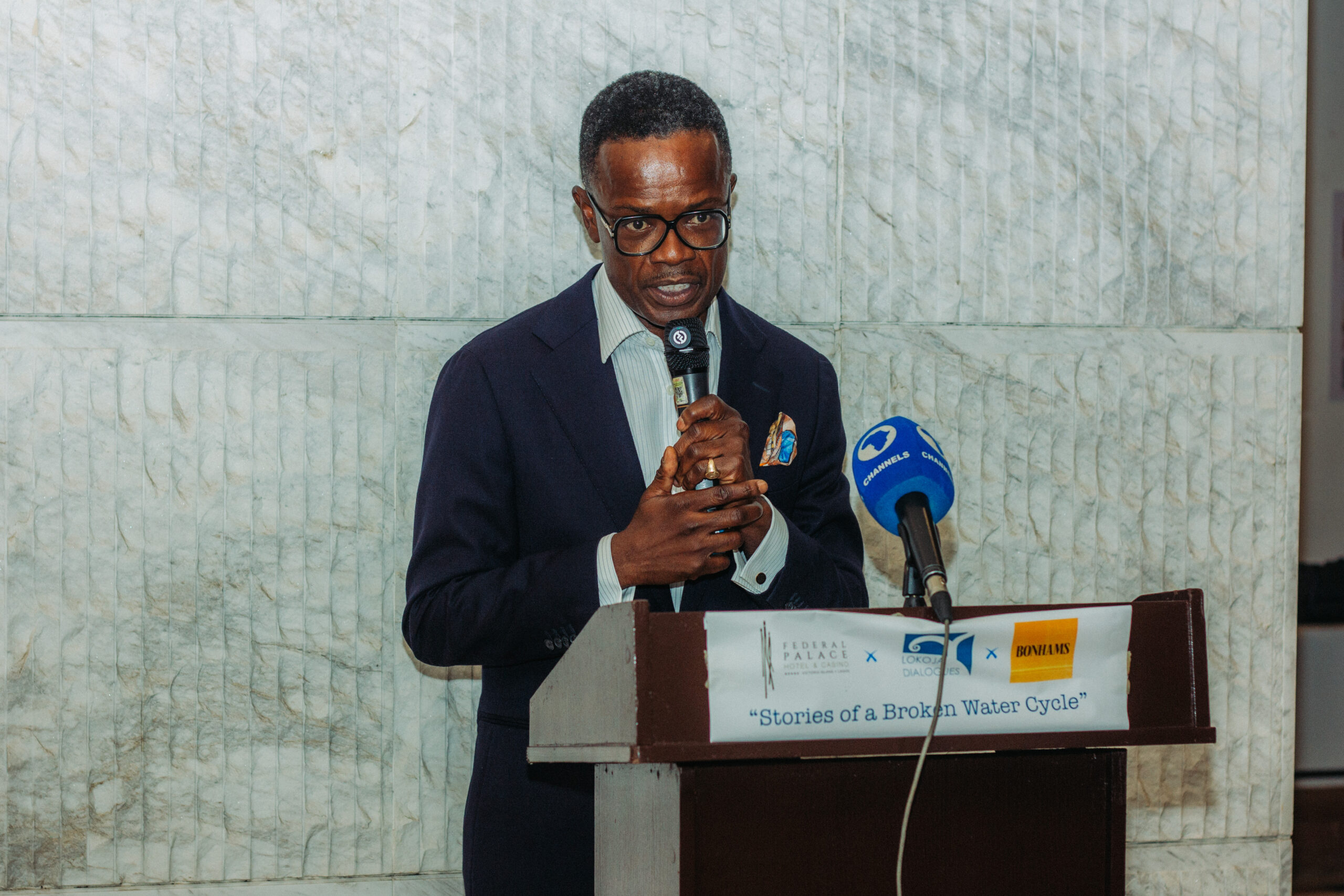
Alakija spoke during the inaugural session of Lokoja Dialogues, titled Stories of a Broken Water Cycle, held at the Federal Palace Hotel in Victoria Island, Lagos, on Friday.
She said, “No matter how brilliantly you manage your own reserves, whether it’s upstream, up above or down below, if the water cycle is out of kilter, it’s going to affect you too.”
She said Lokoja Dialogues was created to connect the water challenges facing local communities with policymakers, investors, technical experts and institutions capable of providing lasting solutions.
According to her, water, energy, food and ecosystems are connected. She warned that pressure on one system would affect livelihoods, communities and the wider economy.
Communities must shape solutions
Alakija said the organisation starts its work by listening to communities before proposing interventions. This approach, she explained, helps decision-makers understand the real problems and avoid imposing solutions that communities may not need or sustain.

She said, “For us, community participation is a part of the evidence required to design services people need, use and can help sustain. It is the foundation on which our policy think tank is built.”
Alakija cited the experience of a northern community where damaged ecosystems and declining soil quality had affected livelihoods. Although investment in rice production had provided some relief, she said dependence on one crop had left residents vulnerable.
She added that the community had abundant groundwater but lacked the electricity required to access and use it. Alakija said, “No power means no water means no livelihoods.”
In the Hadejia-Nguru wetlands, she said declining water resources had affected fishing and farming. The railway that once helped residents transport produce to markets had also become dysfunctional.
According to her, many men had left the community to fish elsewhere, placing additional pressure on their families. Alakija said women in the community told the organisation, “We are not even widows. We are abandoned.”
She also raised concerns about young people digging wells in parts of the Northeast. Some of the wells were more than 20 metres deep, with food and air lowered to the young people working underground.
Alakija said residents told the organisation, “We are losing our children to these wells.”
Pollution deepens water crisis
In Warri and Bayelsa, Alakija said polluted rivers, creeks and soil were threatening community livelihoods. She added that tidal changes were disrupting social practices and making it harder for residents to earn a living.
Efforts to harvest rainwater had also become difficult because residents feared that the rain itself was polluted. The situation, she said, showed how environmental damage could remove even the most basic alternatives available to communities.
Alakija said, “Each community has its own story, but across the board, there are commonalities. All communities want to see ancestral land and ecosystems restored.”
She said the organisation had also encountered poorly managed water infrastructure, including dams, waterworks and distribution systems. Alakija asked, “There are enormous challenges to be met. So, what are we going to do about it?”
Water security is health security
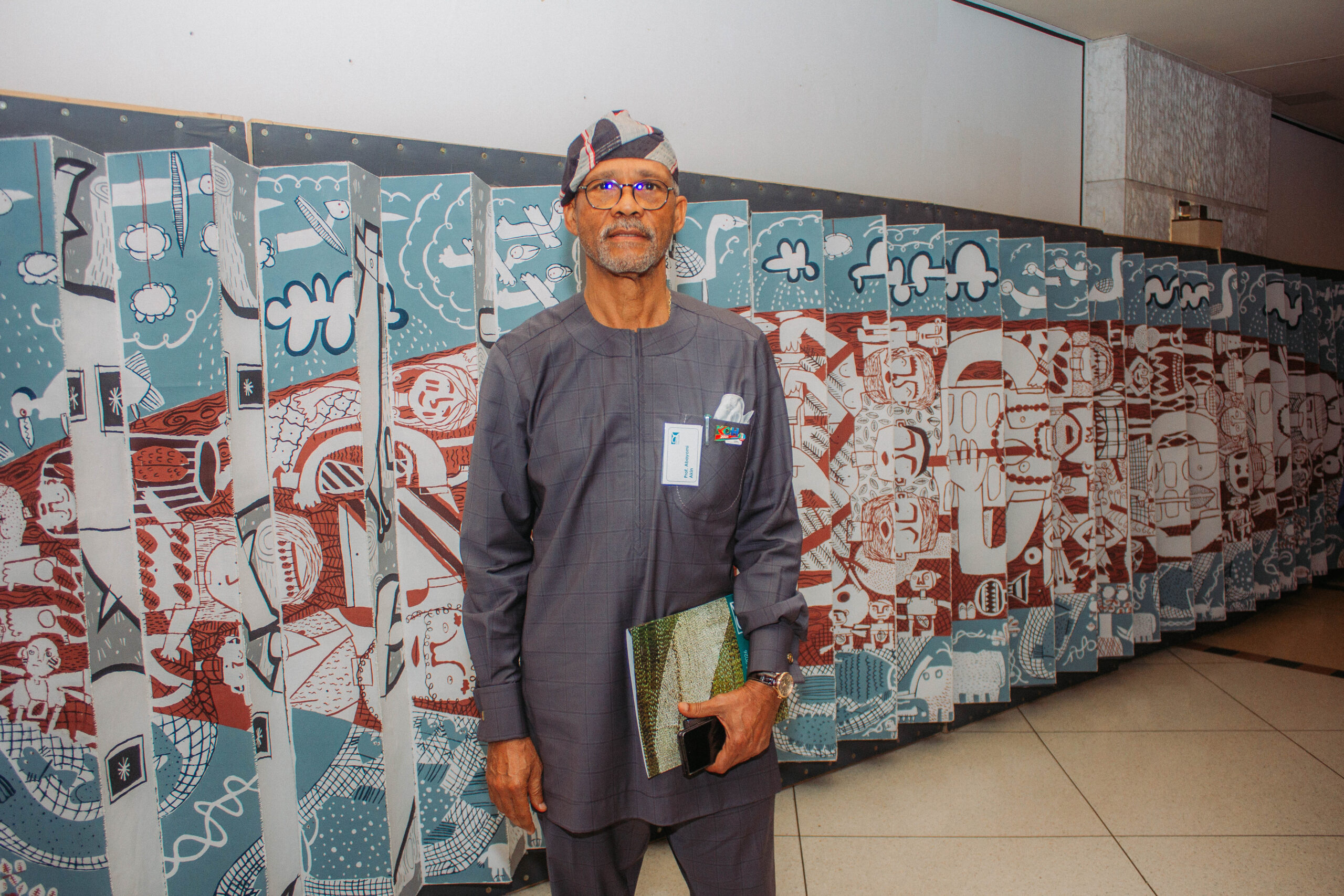
Lagos State Commissioner for Health, Prof Akin Abayomi, said water security must be treated as a public health priority. He warned that poor management of the environment could create serious threats to human survival.
Abayomi said, “Water security is fundamental to human survival and to planetary health.”
He described water as the elixir of life and noted that only a small part of the water on Earth was easily accessible for human use. He added that the available water must meet the required safety and purity standards.
According to him, human health cannot be separated from the condition of the environment and its water sources. He said the One Health approach recognises that the health of people depends on the health of animals, ecosystems and the wider environment.
Abayomi called on the government, private sector and the public to move beyond adapting to water scarcity. He said attention must also shift towards stopping the decline in accessible water, preserving its quality and replenishing depleted resources.
Abayomi said, “Government on its own cannot solve the problem. Water needs to be a bankable project. It needs to be a sustainable project.”
He explained that providing water in a megacity such as Lagos required sustainable funding for construction, operation and maintenance. He added that the Lagos State Government was working to bring public and private sector partners together to improve water supply.
Water and the meaning of freedom
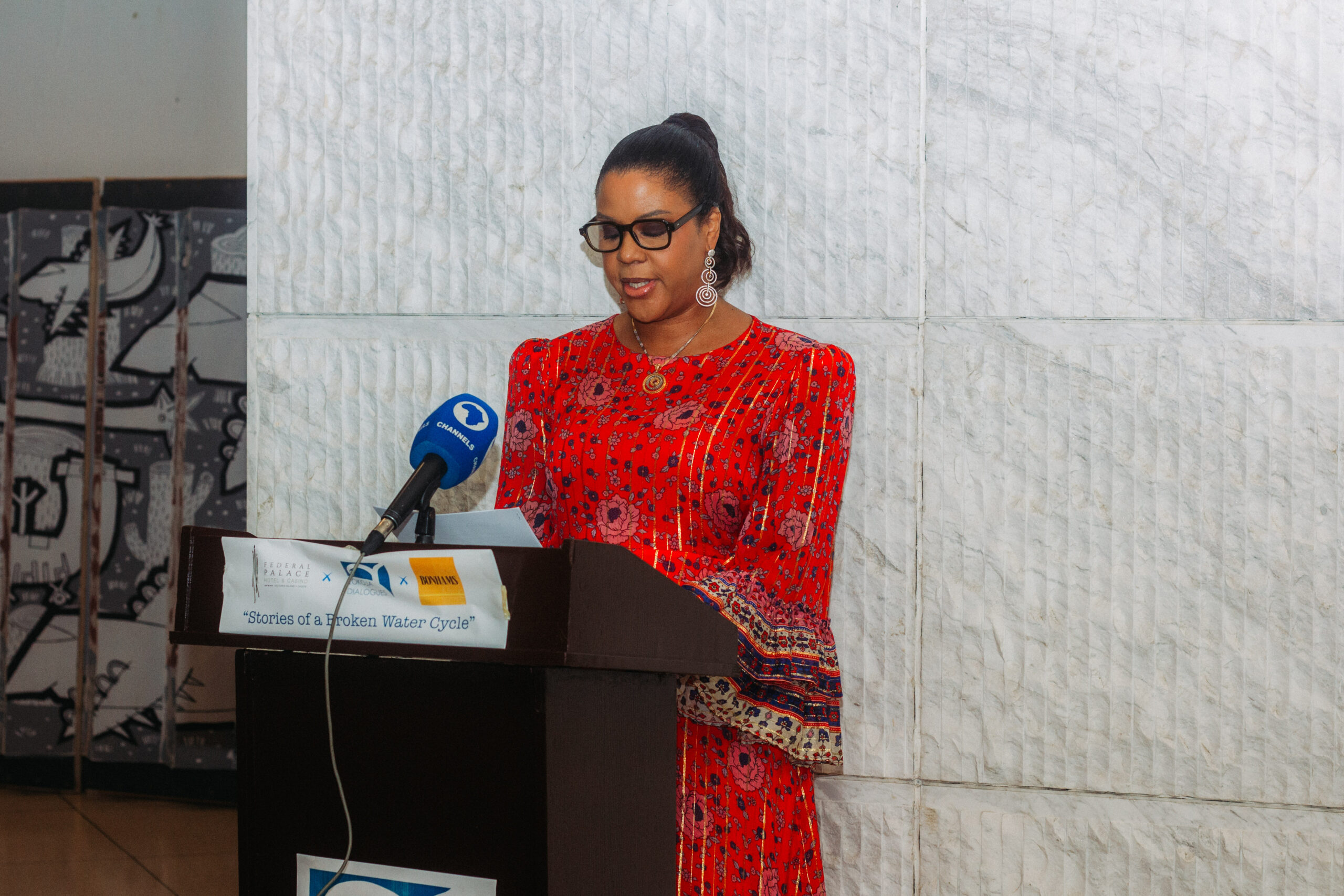
Executive Director of the Tourist Company of Nigeria Plc, Anita Athena Ibru, said access to clean water remained central to human freedom and survival. She urged leaders, investors and change-makers at the event to consider Nigerians living in poverty and communities without access to safe water.
Ibru said, “At its simplest, independence means freedom, the freedom to achieve and the freedom from parts of life that hold people back. But independence is not equally shared.”
She noted that many people could decide how much water they wanted to drink daily, while others struggled to find enough clean water to survive. Ibru said, “Water is life.”
She called for collaboration among businesses, government institutions and social-impact organisations to protect water sources and improve access. She also urged Nigerians to use water responsibly and keep rivers and lakes free from waste.
Investors consider water projects
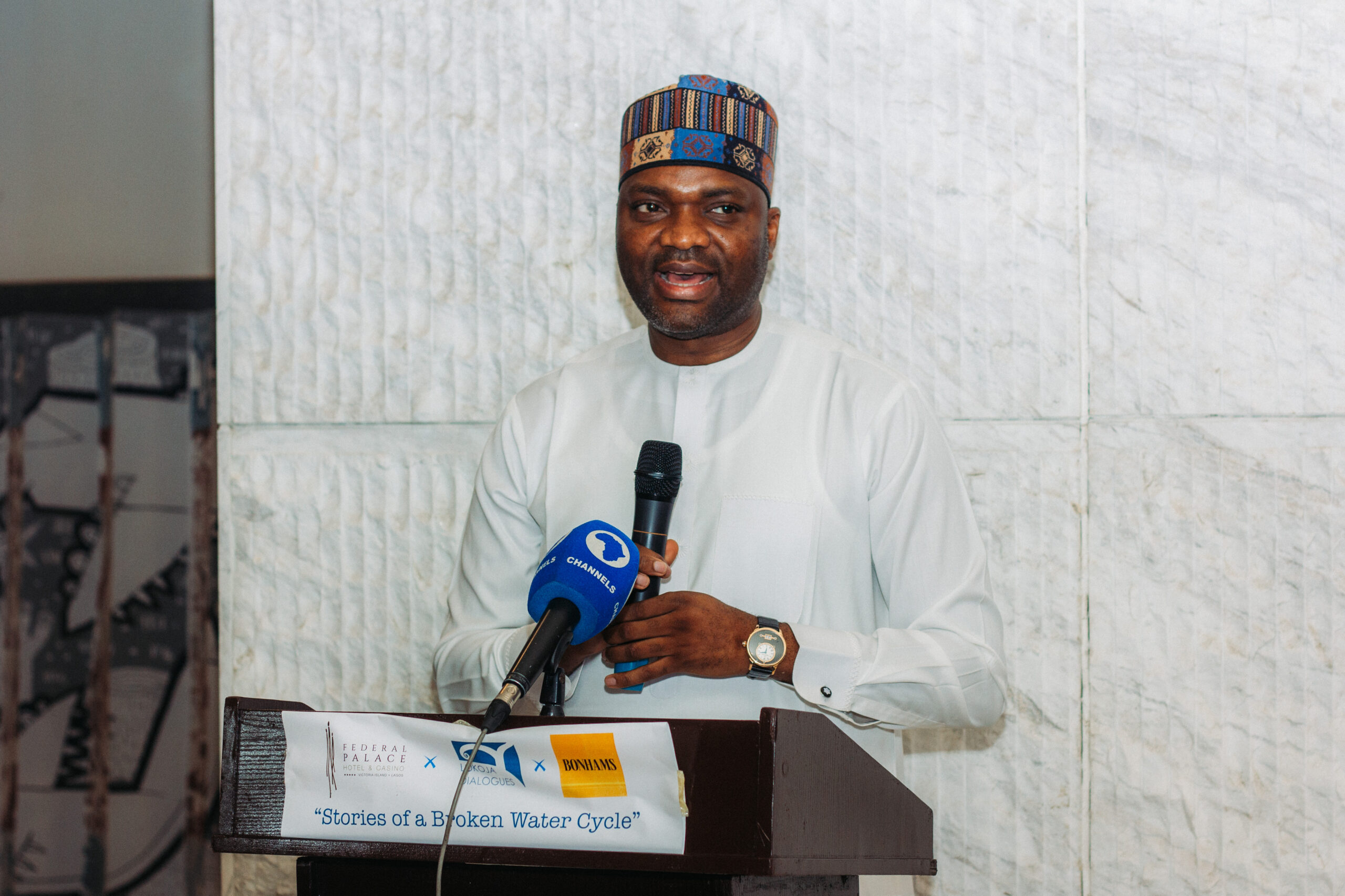
Managing Director and Chief Executive Officer of the Nigeria Sovereign Investment Authority (NSIA), Aminu Umar-Sadiq, said addressing Nigeria’s water problems would require long-term investment. He said the authority viewed water through its connections with power, agriculture, healthcare and environmental sustainability.
Umar-Sadiq described hydropower as an important and reliable source of electricity. However, he said developing hydropower projects required huge capital, technical expertise and dependable infrastructure for distributing the electricity generated.
Umar-Sadiq said, “Raising capital from commercial banks simply doesn’t work. Raising capital from private equity funds for hydropower projects simply doesn’t work.”
He said large infrastructure projects required long-term local funding. According to him, the NSIA established InfraCredit to provide guarantees for infrastructure bonds and make such projects more attractive to pension funds.
Umar-Sadiq said the authority was also working with local and international partners to support water and climate projects capable of attracting investment. He added that the NSIA would consider investing in projects identified through Lokoja Dialogues if they met its requirements.
Beyond another borehole
Chairman of the Board of Trustees of Lokoja Dialogues, Olu Adeosun, warned against constructing boreholes without proper standards and maintenance plans. He said badly constructed boreholes could expose communities to contaminated water, particularly in areas prone to flooding.
Adeosun said, “Boreholes have a problem, particularly in flood plains. You build it wrong, then it’s prone to contamination from flood water.”
He said boreholes must be properly sealed and protected from contamination to ensure they remained safe for communities. He also called for projects that could deliver long-term social and economic value instead of temporary relief.
Adeosun cited a project in Malawi where filters installed on boreholes reduced the need for residents to burn firewood to purify water. According to him, protecting trees through such interventions could also create environmental value through carbon-credit systems.
He expressed concern that Nigeria was using only a small part of its irrigation potential despite the country’s extensive water resources.
Adeosun said, “Just because you’re born close to water does not mean you are born with an innate sense of how to manage it properly and actually have it become something that is not just providing life, but is also providing means.”
He said Lokoja Dialogues would continue working with communities, government institutions, investors and technical partners to develop practical responses to Nigeria’s water challenges.
From conversation to action
The speakers agreed that Nigeria’s water problem could not be solved by drilling more boreholes without considering safety, maintenance, power supply and the needs of each community.
The dialogue also showed that water should not be treated as an isolated environmental issue. Its availability affects health, agriculture, electricity, employment and the survival of communities.
For Lokoja Dialogues, the next task is to move the stories gathered from communities into projects that can attract support and deliver lasting results. As Alakija’s warning made clear, a broken water cycle will eventually affect everyone.