GDN SIDEBAR
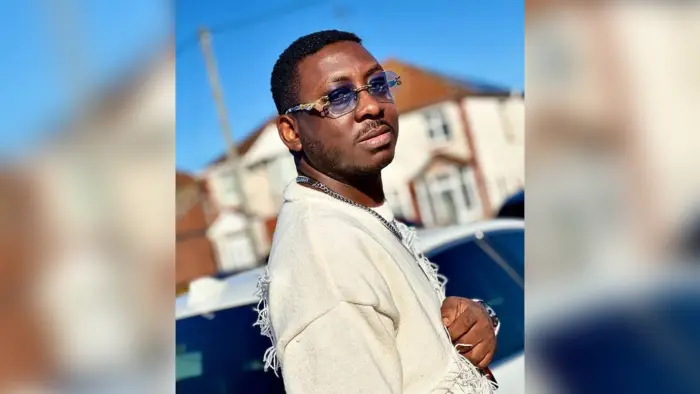
Oni Olabode Opeyemi, known by his stage name, Bode Ultimate, is a performing artiste. His music is deeply rooted in Nigerian culture, particularly, the traditional Yoruba culture. He started his musical journey in 2020 and has grown as a live performer by working across different genres and adapting to the needs of different audiences. In this interview, he spoke about his handling live performance, collaboration and others.
Tell us about yourself and how you fell in love with music
I am a professional live-band artiste specialising in premium concerts, private and public events, and special occasion gigs. I started my own band in 2020, but my journey with music began much earlier. I have been singing since I was five years old, so, music has always been a major part of my life.
Over the years, I have developed my vocal ability, stage presence, versatility, and understanding of live audiences. What I love most about music is its ability to connect people, create emotions, and turn an ordinary event into a memorable experience.
Which music genres and specific set-lists are you most comfortable playing on short notice?
I am very versatile and comfortable performing different genres depending on the event and audience. I can perform afrobeats, highlife, juju, fuji, r&b, pop, reggae, gospel and popular international songs.
For Nigerian events, I am particularly comfortable with traditional and contemporary juju and other African sounds. I also make sure my set-lists are flexible because every audience is different. I can quickly move from classic songs that people know and love to current hits that get the younger audience involved.
How do you learn new material or key signature changes before a live gig?
I prepare by listening to the original song carefully, studying the structure, lyrics, chord progression, and arrangement. If there are key changes, I make sure I understand where they happen and communicate with the instrumentalists before the performance. I also rehearse the song repeatedly with the band so that everyone understands the arrangement. My goal is to be prepared enough that when we get on stage, the performance feels natural rather than rehearsed.

How do you handle technical failures like a broken string or mic feedback mid-performance?
The first thing is to remain calm and avoid allowing the audience to feel that something has gone seriously wrong. As a live performer, I understand that technical issues can happen at any time. I communicate quickly with the band and sound engineer while keeping the performance moving. If an instrumentalist has an issue, another musician can fill the space, or I can engage the audience while the problem is resolved. The priority is always to maintain the energy and professionalism of the show.
How do you read a live crowd and help energise them if they seem quiet or disengaged?
I pay close attention to the audience; their reactions, body language, singing along, dancing, and general energy. I don’t believe every audience should be approached in exactly the same way. If the crowd is quiet, I may change the tempo, introduce a familiar song, interact more directly with them, encourage them to sing along, or move into a song that I know will connect with that particular audience. As a performer, I believe you have to read the room and adapt rather than simply follow a fixed set-list.
Can you describe how you recover smoothly if you or a bandmate makes a major mistake during a live show?
The most important thing is not to panic. Mistakes can happen in live performances, but the audience doesn’t necessarily need to know that something went wrong. I focus on staying in time, maintaining confidence, and following the musical cues from the band. If a bandmate makes a mistake, I support them rather than drawing attention to it. We recover together and continue the performance as professionally as possible.
What does a strong stage dynamic look like to you when sharing the stage with other instrumentalists?
A strong stage dynamic is built on communication, respect, awareness, and teamwork. Everyone should understand their role while also being aware of what the other musicians are doing. As the lead vocalist, I need to know when to take the spotlight and when to give the instrumentalists room to shine. I believe a great band should look and sounds like one unit, not a group of individuals competing for attention.
How do you handle constructive criticism from a bandleader, sound engineer, or manager?
I take constructive criticism seriously because there is always room to improve. I listen carefully, understand what needs to change, and apply the feedback during the next rehearsal or performance.
In live music, everyone has a different responsibility, so, I respect the experience and perspective of bandleaders, sound engineers, and managers. My goal is always to become better and help the entire team deliver a stronger performance.
How do you manage your schedule with back-to-back rehearsals, late nights, and travel?
I plan ahead and making sure I know my commitments early. I prioritise rehearsals, performances, travel time, rest, and preparation so that I can remain physically and mentally ready. Live performance requires energy and concentration, I understand the importance of being punctual, prepared, and professional even when the schedule is demanding.
There are popular stage performing artistes without a single to their name, should we be expecting one from you?
I have worked on and recorded music, although I have not yet officially released a song commercially under my name. I am continuing to develop my original music and I am looking forward to releasing more of my own material as I grow as an artist.
Which Nigerian artiste do you wish to collaborate with?
If I had the opportunity to collaborate with a Nigerian artiste, I would love to work with Wizkid because of his global influence and unique approach to African music. I would also be interested in collaborating with Wasiu Alabi Pasuma, Olamide, Burna Boy, or Davido, depending on the style of the project.
I believe a collaboration should not just be about the artiste’s popularity, it should be about creating something musically meaningful and bringing different sounds and experiences together.