GDN SIDEBAR
NEED TO KNOW
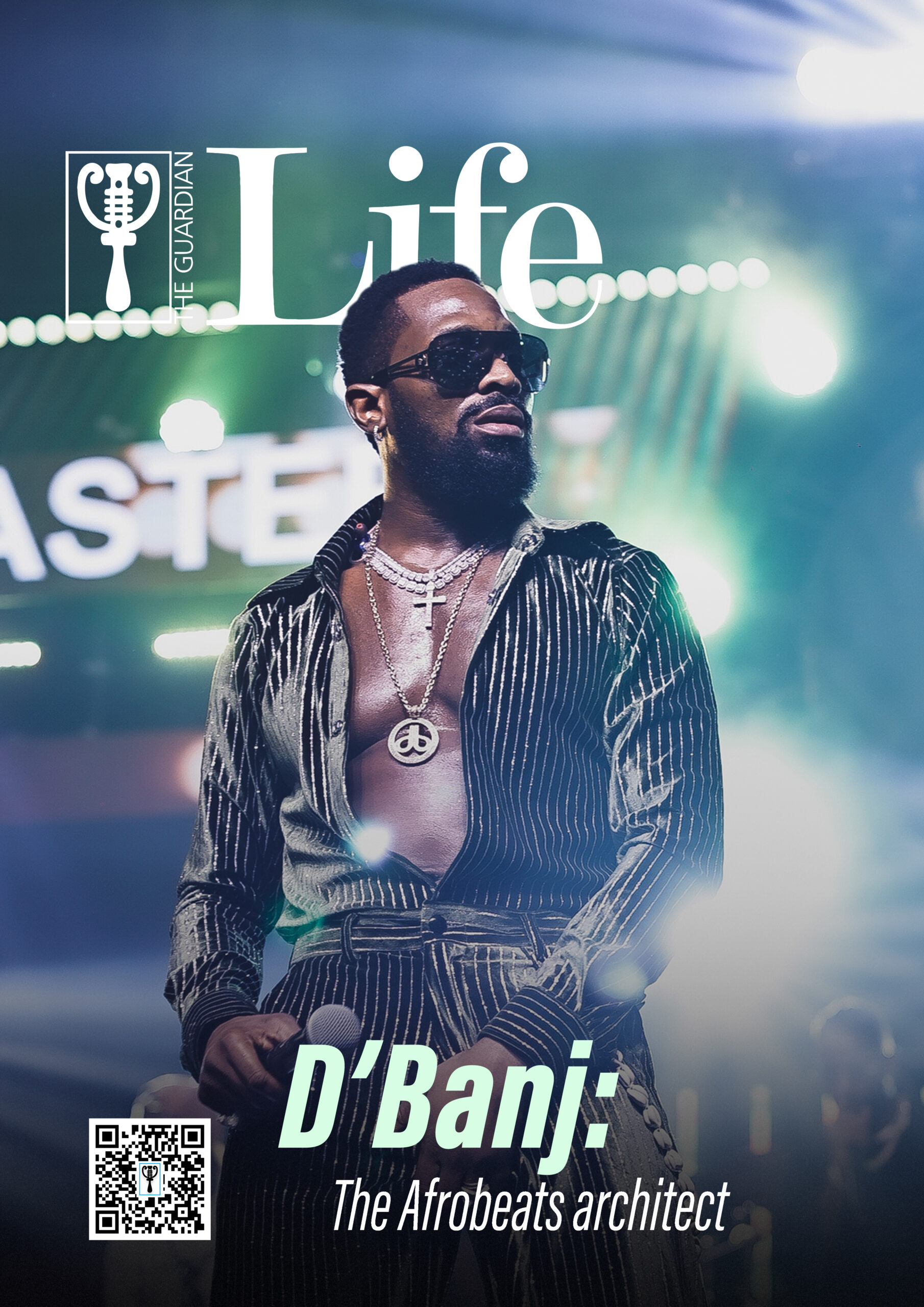
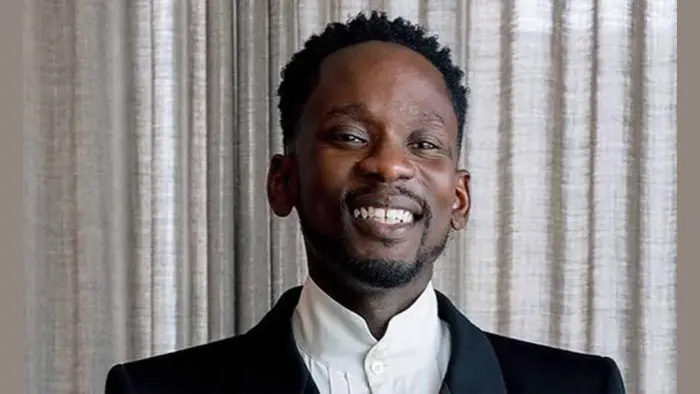
- Oladapo Daniel Oyebanjo, known as D’banj, has shaped Nigerian pop music for over 20 years as a singer, performer and entrepreneur.
- He rose to prominence with Tongolo from his 2005 debut album, No Long Thing, before becoming one of the leading figures of the influential Mo’Hits era.
- His 2012 hit, Oliver Twist, reached number nine on the UK Singles Chart, making him the first Afrobeats artiste to enter the UK Top 10.
- At 46, D’banj has won several honours, including awards from MTV Europe, BET and the 2025 Trace Awards.
- Beyond music, he founded the C.R.E.A.M Platform in 2016 to discover, support and connect African creatives with funding, mentorship and global opportunities.
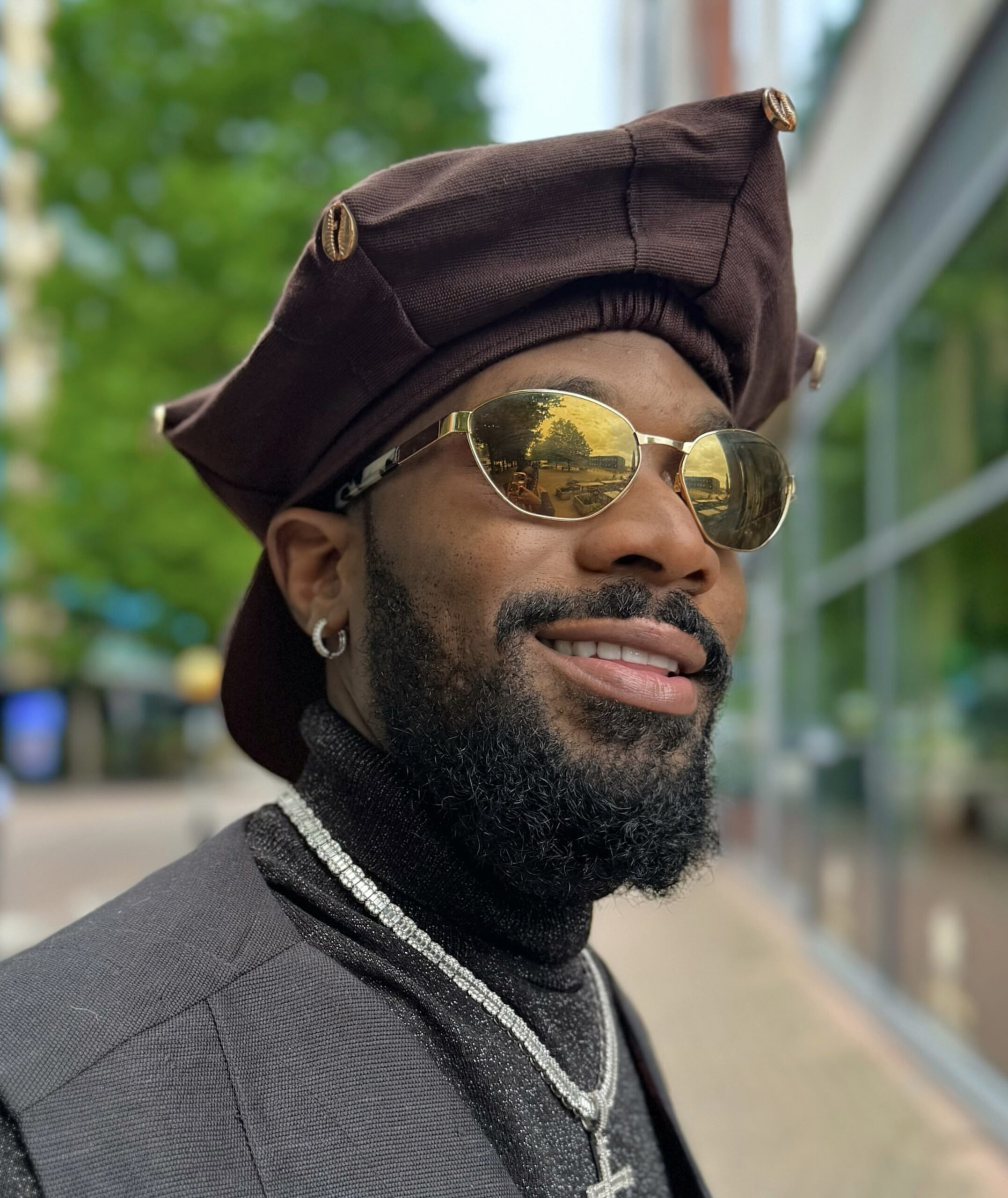
Long before Afrobeats became a global force, Oladapo Daniel Oyebanjo, popularly known as D’banj, was already pushing Nigerian music beyond the continent. His 2012 hit, Oliver Twist, reached the UK Top 10 and confirmed that an African sound could compete on the global stage.
More than two decades after his debut, the 46-year-old singer is entering another phase. His new single, Safe Space, scheduled for release on September 11, moves beyond entertainment to explore mental health, emotional safety and the need to protect one’s peace.
Speaking exclusively with Guardian Life, D’banj shares his experience of global success, personal loss and building a life beyond music. He also talks about his private life, plans for C.R.E.A.M and why he believes his best years are still ahead.
Your latest single, Safe Space, is dropping on 11th September. What inspired the song?
Safe Space is a different sound and, for me, it represents something much bigger than just music. I wanted to create something that speaks to the importance of protecting your mind and creating a safe space for yourself in a world that can be very demanding.
We are constantly exposed to so much information, pressure and noise, and sometimes we forget how important it is to protect our mental and emotional space. That is really what inspired the song. Safe Space is not just a record; it is part of a movement to encourage people to be more intentional about the spaces they create for themselves — from fitness and wellness to the circle they surround themselves with and the things they consume.
At the end of the day, your mind is your most important safe space, and that is something we all need to protect.

You were one of the first Nigerian artistes to break into the international market. What did you understand about global success before others did?
I understood very early that African talent needed more than local recognition; we also needed global validation and credibility. I believed that if we could take what we were doing in Africa and position it properly on the international stage, the world would pay attention.
At that time, people did not necessarily see the possibilities, but I was focused on creating bridges and showing that African music could travel, compete, and create value globally. I think that mindset is still very relevant today. The global market is no longer something we should simply aspire to enter; Africa has the talent, culture, and intellectual property to actively participate in and benefit from it.
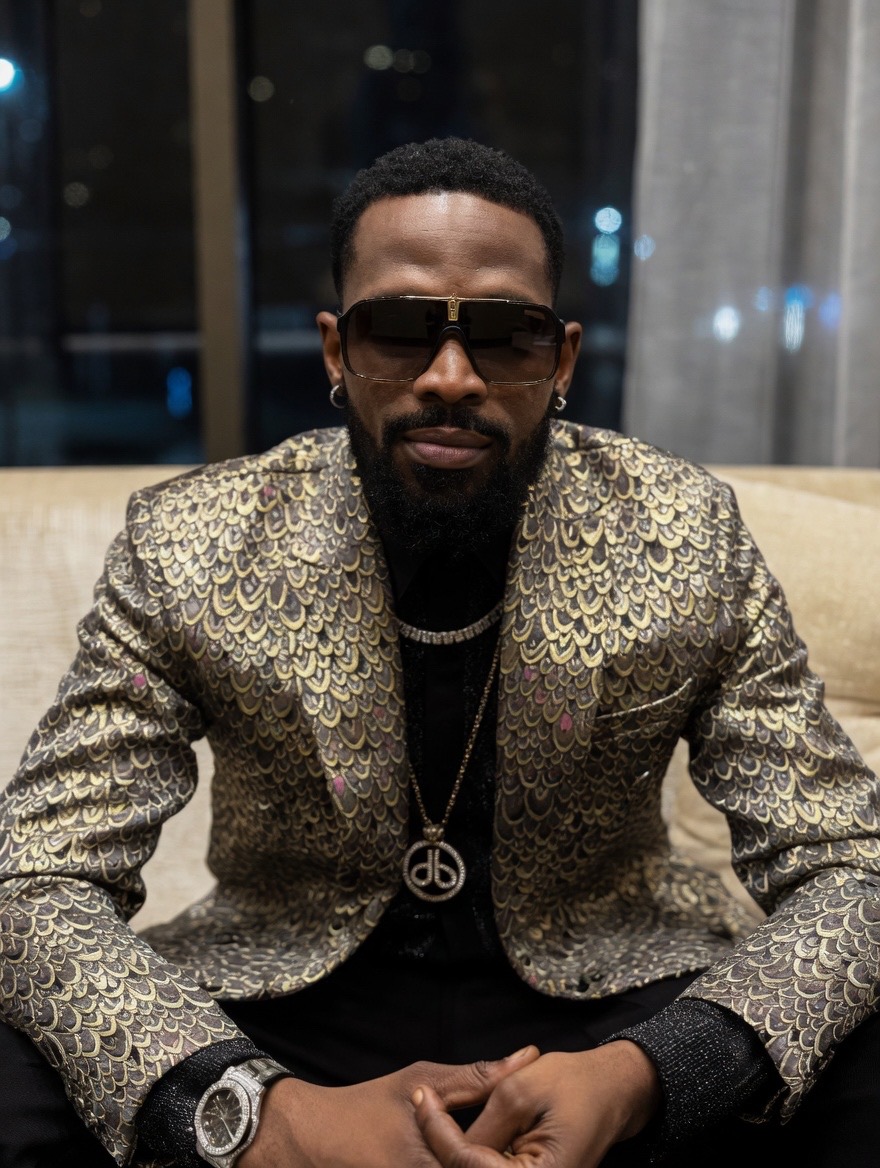
Some people say D’banj is now more famous for his legacy than his current music. What would you say is your legacy, as a musician and as an entrepreneur?
I don’t look at my legacy as something that is limited to one particular period of my career. My legacy is about being willing to take risks, break barriers, and build things that did not previously exist.
As a musician, I was part of a generation that helped take African music to a much larger global audience. As an entrepreneur, I have also taken the time to build solutions, particularly through C.R.E.A.M., with the belief that Africans should be able to create, own, and monetise their intellectual property from within Africa.
That vision has continued to evolve through strategic partnerships and opportunities beyond our borders, including the $1 million collaboration with Cinq. For me, that is an important part of the legacy: not just participating in the industry, but contributing to building the infrastructure and opportunities that can help the next generation.
Nigerian music has changed dramatically since your peak years. Which younger artiste do you believe could genuinely challenge the legacy you built?
Who said my peak years are over?
My legacy is my legacy, and theirs is theirs. I don’t believe legacy is something you compete over. Every generation has its own story, its own sound, and its own opportunity to make an impact.
My goal has always been to pave the way and demonstrate that it can be done. If the next generation takes that example and goes even further, then that is a win. I don’t see myself competing with them; I see myself as someone who helped create a path that they can continue to expand.
Time will always show what people have contributed, and I believe every generation should be allowed to build its own legacy.
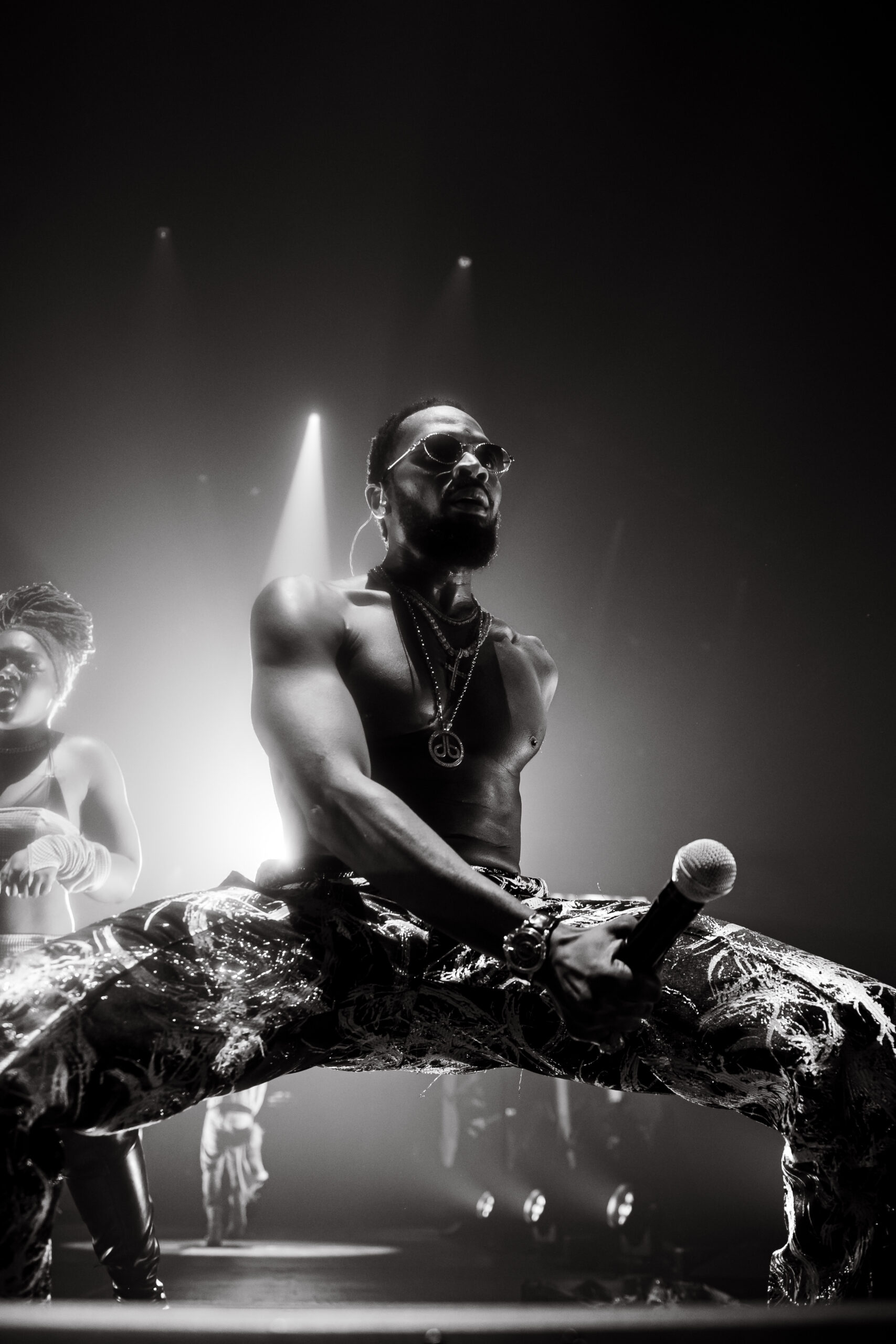
Fame has brought you money, influence, controversy and personal loss. Which experience changed you the most?
Everything collectively. Every experience- the successes, the challenges, the losses, the opportunities and even the criticism- has contributed to who I am today.
You cannot go through a journey like mine and remain the same person. Every chapter teaches you something, and I think those experiences have made me more intentional about my life, my work, my family and the things I choose to build.
When people eventually tell the full story of D’banj, what part of your journey do you fear they might leave out?
If it is my story, they cannot remove anything from it. Every part of the journey is important because the successes only make sense when you understand the challenges and experiences that came with them.
I have also always valued my privacy. There are parts of my life that I deliberately choose to keep private, and I think that is important. But ultimately, my story is my story, and the full journey will speak for itself.
In 2017, you called going into business your best decision. Nine years later, do you still feel the same way?
Absolutely. Looking back now, I can say that it was one of the most important decisions I made.
I had already seen globally how deals were being done and how important it was for Africans to build solutions that allowed us to retain ownership of our intellectual property and create value within the continent. That vision has continued to grow.
You once said you were Daniel during the day and D’banj at night. Is it still easy to separate the private man from the public star?
As much as possible. That is why nobody really knows about my private life.
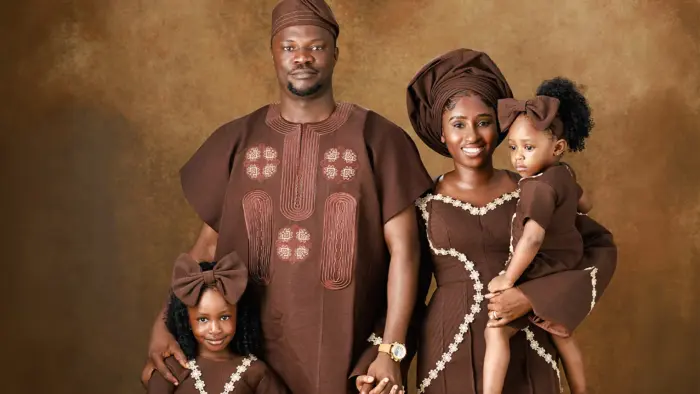
There is D’banj, the artiste and public figure, and there is Daniel, the person who values family, privacy and having a life away from the spotlight. I think maintaining that distinction is important because it allows you to remain grounded while still giving your audience the best of the public side of you.
What should we be expecting from you more this period?
A lot… a lot of music, a lot of marketing, a lot of attention on Africa and, most importantly, a lot more activity around the things we are building.
With C.R.E.A.M., a lot is happening around the platform, our catalogue, our superfan rewards and the opportunities we are creating for artists and fans. We are also looking at the bigger picture of how African intellectual property can be positioned globally, through partnerships with powerhouses like Cinq.
I am also looking forward to seeing more of my colleagues and artistes benefit from the platform, including achieving significant download milestones. I want to see super fans rewarded, people engaging with the platform and more exciting experiences being created around music.
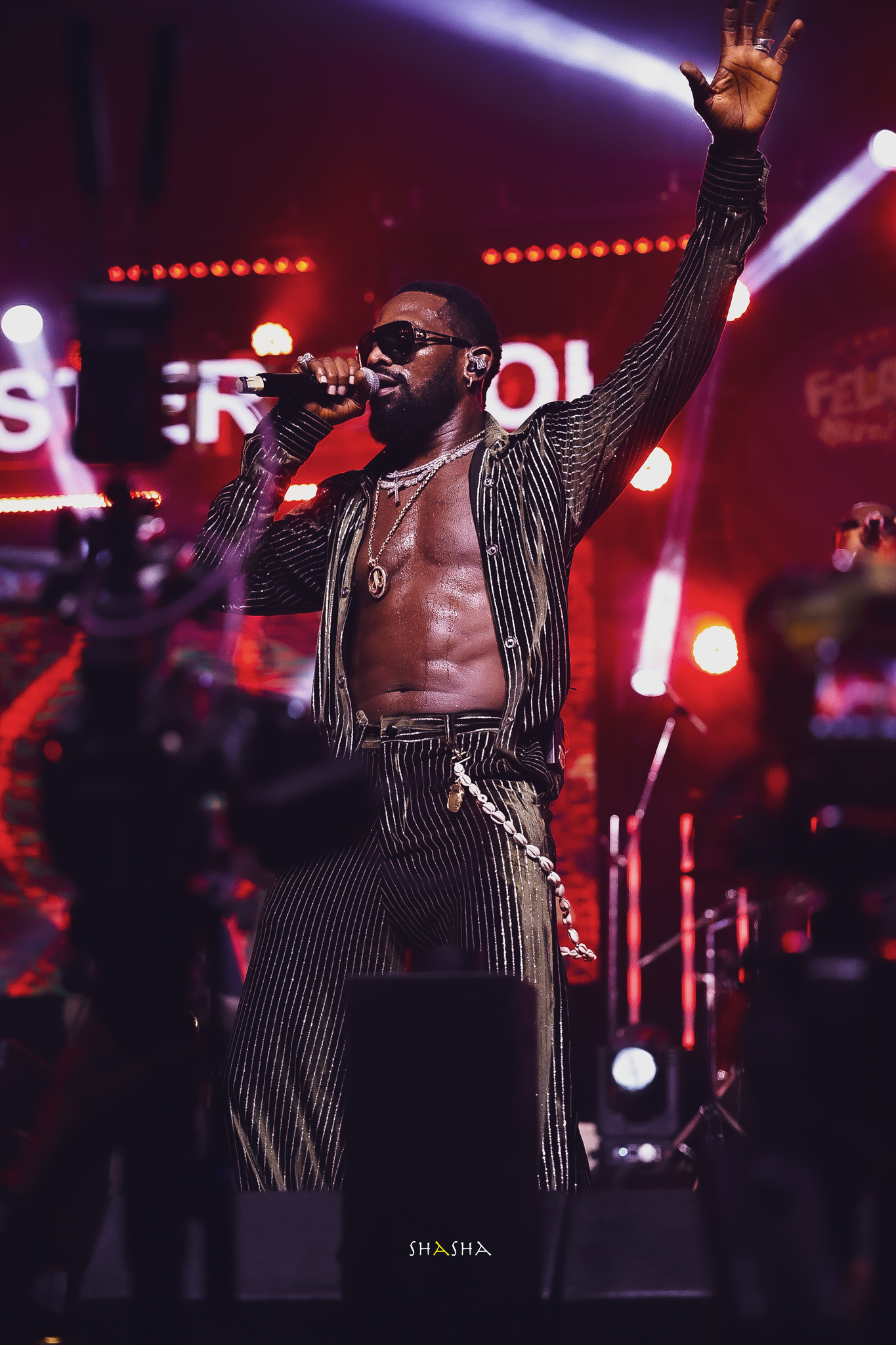
What is your safe space?
My safe space is my mind, but it is also my family. Over the years, I have learned the importance of protecting your peace and being intentional about the people and things you allow into your space.
For me, family gives me that sense of grounding. No matter what is happening around me or how demanding life can become, having that space where I can be myself, away from the noise and expectations of the outside world, is very important.
That is also what Safe Space represents to me. It is about creating and protecting those spaces in your life where you can find peace, recharge and remain grounded. Whether that is your family, your mind, your environment or the people you trust, everyone needs a safe space.