GDN SIDEBAR
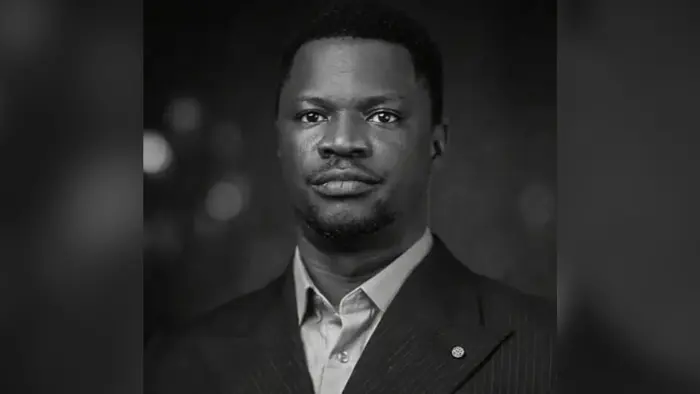
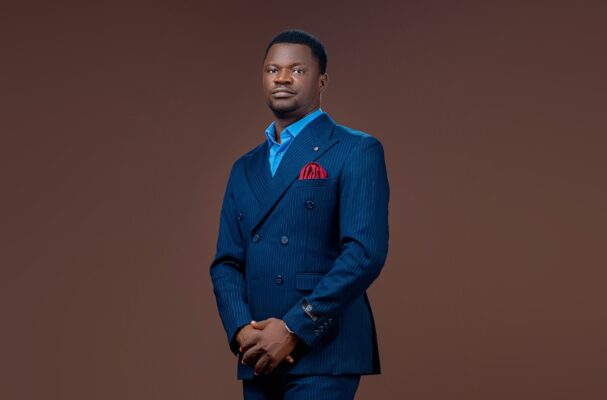
DJ Olodo discovered his craft in Calabar, building an unconventional identity and taking DJ culture to the streets through Traffic Rave.
ATEKONG STREET, one of Calabar’s popular entertainment hubs in Cross River State, was where my journey as a DJ began. Interestingly, I did not start behind the decks. I started as a club barman while studying at the University of Calabar. Working in that environment exposed me to nightlife, music and the energy that DJs brought into a room.
It was there that I met two DJs, DJ Frinzy and DJ Franky, who noticed my interest in music and the art of DJing. They introduced me to the fundamentals and helped me understand that the craft involved more than simply playing songs. Their encouragement gave me the opportunity to explore something I had become increasingly fascinated by.
One particular night changed everything. There was no DJ available, and the crowd was becoming restless. With the management looking for a solution, I was asked to step in. I got behind the decks, took the opportunity and played. What began as an unexpected responsibility became the starting point of my career.
The name Olodo also has an interesting history. It was not initially a name I intended to use as my professional identity. It came from a slogan I frequently used during a campaign: “Our Olodo Don Do.” I had also played a character called Olodo in a movie. Between the slogan, the movie and my growing popularity among students and people in the streets, the name gradually became associated with me.
By the time I became a DJ, people already knew me as Olodo. Rather than abandon the identity, I embraced it and turned it into a brand. What initially seemed like an unconventional name eventually became a recognisable part of my career, opening doors to opportunities with radio stations and performances at established clubs.

After building my presence in Calabar, I moved to Abuja with a desire to explore DJing beyond conventional entertainment spaces. I have always believed that DJing is an art form and that creativity should not be confined to a nightclub booth or the usual party setting.
That thinking inspired Traffic Rave. I wanted to create a different kind of experience by taking music into the streets and connecting with people in an unconventional way. The idea was to demonstrate that DJ culture could exist beyond nightlife, while giving people an opportunity to experience music differently.
Traffic Rave has since become an important part of my creative identity. Each episode allows me to experiment, tell stories through music and explore new ways of engaging audiences. For me, it is not just about playing records but creating an experience that challenges conventional ideas about where and how DJing should happen.
Looking back, my journey from working as a club barman on Atekong Street to building Traffic Rave in Abuja reminds me that creative careers can begin in unexpected places. Sometimes, an opportunity you never planned for becomes the foundation of everything that follows.
Interviewed by Ajuluchukwu Brown