 Follow Us on Google News
 Follow Us on Google Discover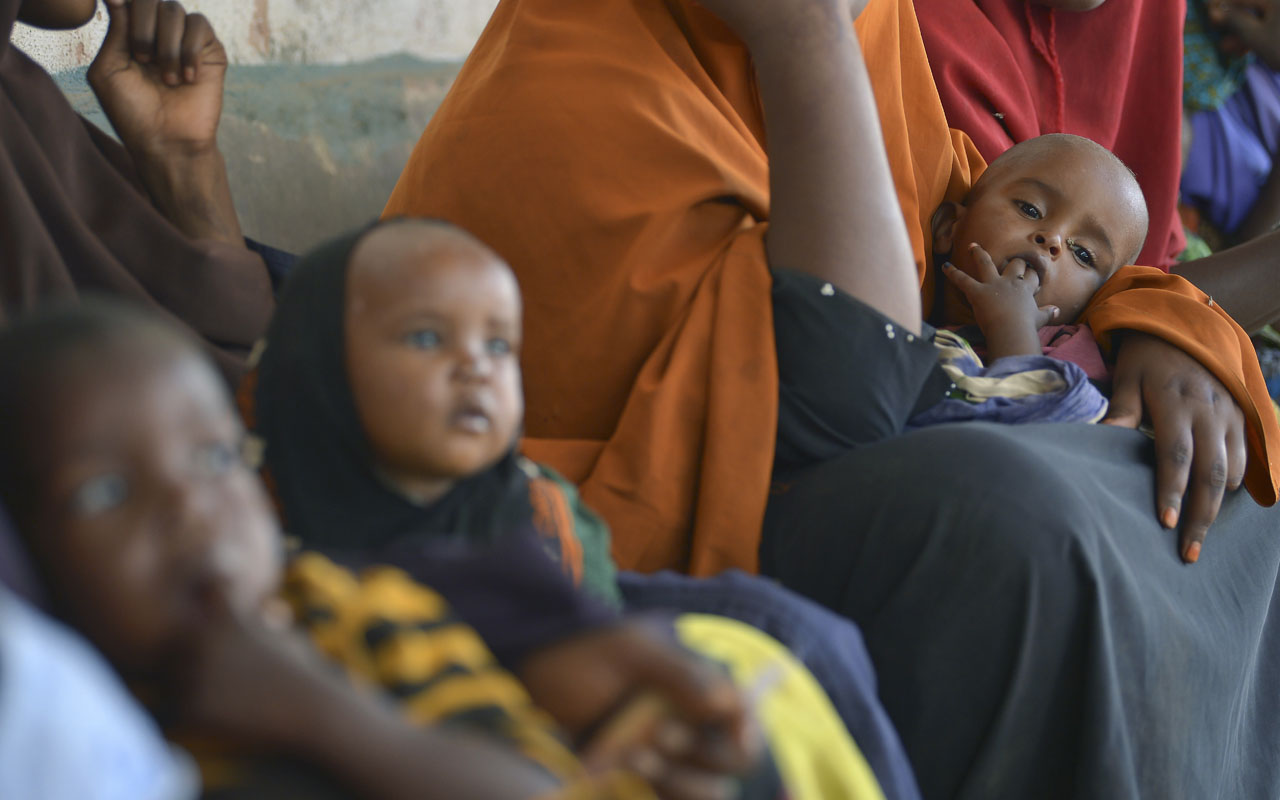
The World Health Organisation (WHO) is targeting one million children against the spread and contraction of malaria and cholera in Borno State.
The global health agency has administered and distributed drugs to children in 11 councils and Internally Displaced Persons (IDPs) camps in Maiduguri metropolis.
WHO and the state government Malaria Elimination Programme (MEP), was to clear children’s blood of plasmodium from contracting malaria that causes 50 per cent of deaths in the country.
This was disclosed, yesterday, in Maiduguri by WHO’s Public Health Officer, Dr. Bala Hassan, while briefing journalists on this year’s second cycle of malaria prevention at El-Miskin camp.
He said the four cycle of malaria prevention for 2018 was to reduce malaria “prevalence and mortality” in camps and communities, adding that administration of the plasmodium tablets on children, should also be complemented by always keeping the environment clean to prevent breeding of mosquitoes.
Hassan urged the people against keeping stagnant water and empty drums; and filthy surroundings in both camps and homes.
The Borno State Programme Manager, Mala Waziri, also said the peak of malaria transmission among children is in the July to September annual rainy season.

