The Centre for the Promotion of Private Enterprises (CPPE) has said that the
N4 trillion power sector debt is fiscally unsustainable without deeper structural corrections, improved transparency, and gradual but credible reform implementation.
The Centre, in a policy brief on power sector reform, said the sector remains one of the most challenging areas of the country’s economic reform agenda.
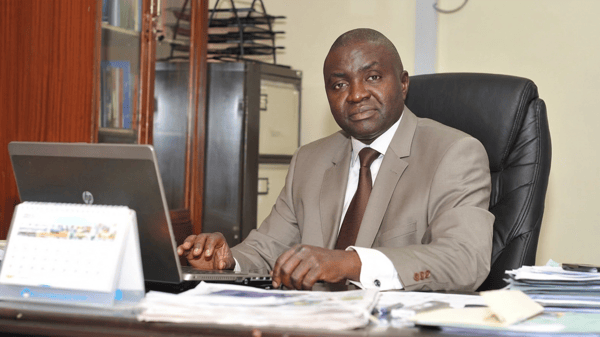
According to the document signed by the Chief Executive Officer of the Centre, Dr. Muda Yusuf, the inability to implement a fully cost-reflective tariff regime, largely due to social and political sensitivities following recent macroeconomic reforms, has entrenched subsidy dependence and widened the sector’s financing gap.
It said, unlike other reform areas, the power sector presents a unique challenge due to the tightly interconnected nature of its value chain—gas supply, generation, transmission, and distribution—where weaknesses in one segment undermine the entire system.
“Recent macroeconomic reforms, including foreign exchange unification and fuel subsidy removal, have further complicated the reform environment by heightening cost-of-living pressures and intensifying resistance to tariff adjustments in the power sector,” CPPE said.
“A major constraint to power sector reform is the difficulty of establishing a fully cost-reflective tariff regime. Electricity tariffs remain capped, largely due to concerns over affordability and the social impact of reforms on households and businesses.”
It, however, said that without cost-reflective pricing, the sector is unable to generate sufficient liquidity to sustain operations or attract new investment.
“The resulting subsidy burden has forced government to repeatedly intervene financially, effectively transferring inefficiencies and revenue shortfalls onto the public balance sheet,” it noted, adding, “Power sector reform, therefore, represents one of the most politically sensitive and technically demanding components of Nigeria’s current reform programme.”
It said that beyond tariff issues, the sector suffers from inherent structural weaknesses, particularly in the aftermath of privatisation.
Concerns remain regarding the technical and financial capacity of some private investors, transparency and due diligence gaps during the privatisation process, weak governance, and operational inefficiencies, especially among distribution companies (Discos) and the Transmission Company of Nigeria (TCN).
To change this narrative, the CPPE recommends that the government adopt a clear roadmap to cost-reflective tariffs, strengthen governance and accountability, address distribution sector weaknesses, reform transmission management, support decentralisation and renewables, and limit fiscal exposure.
“Without decisive action to address structural inefficiencies, improve governance, and ensure fiscal discipline, the current trajectory will remain unsustainable,” CPPE said.
“A balanced approach, combining short-term government support with medium- to long-term structural reform, is essential to building a financially viable, reliable, and inclusive power sector that can support Nigeria’s economic growth and development.”