Medical professionals and health experts have called for immediate and proactive measures to tackle the rising rates of mental health disorders and intake of hard drugs in the country, describing the situation as a national emergency.
According to the experts, during the inauguration of Minds Medica Specialist Hospital and Drug Rehabilitation Centre, a neuropsychiatric facility in Ondo City, the country needs to be worried, considering that 25 to 30 per cent of the population is battling mental health issues.
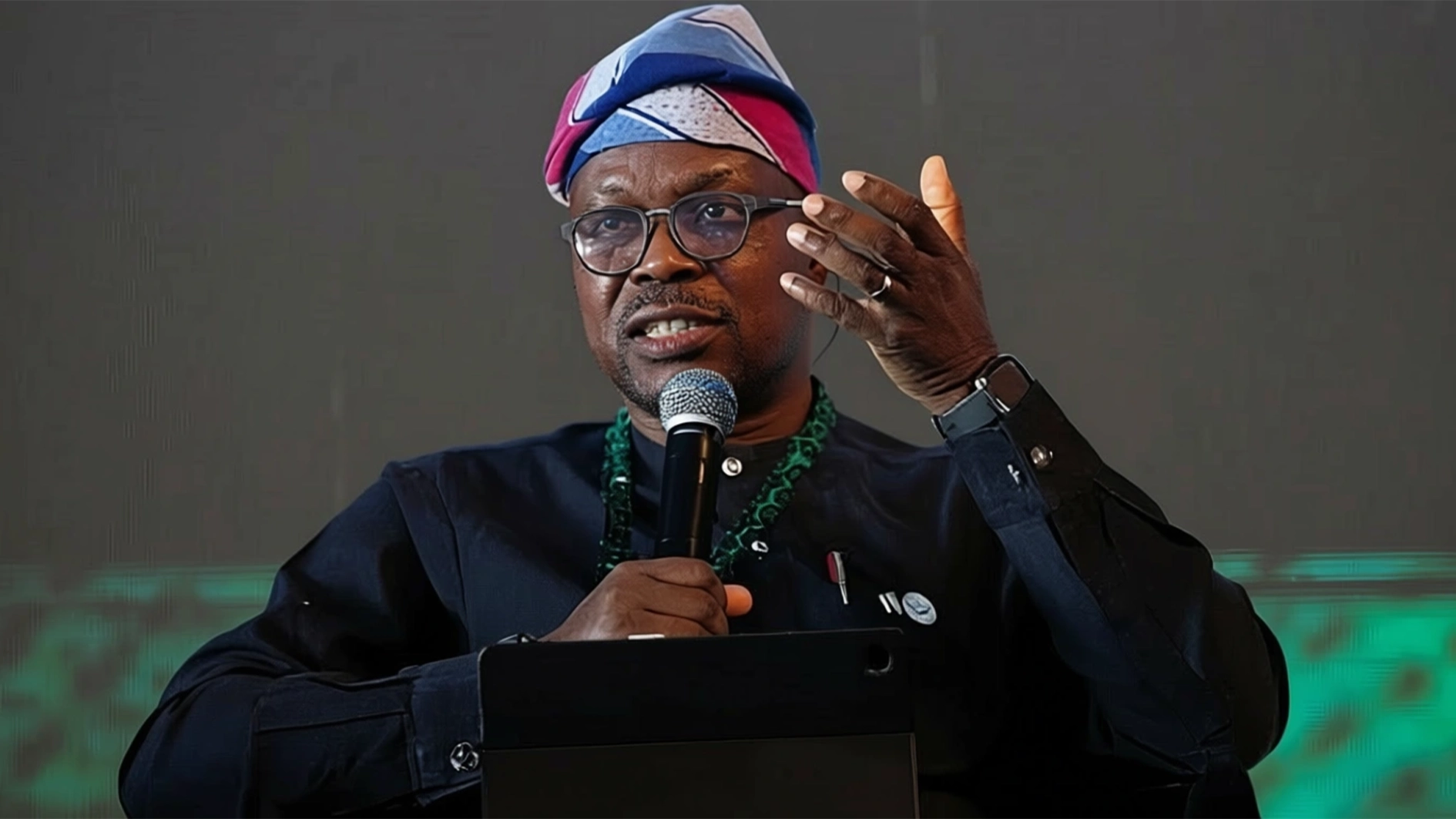
While disclosing that the lack of adequate facilities to address risk factors and treat people battling mental disorders has been contributing to the high rate of the issue, the founder of Minds Medica, Dr Jibayo Adeyeye, stated that the idea behind the establishment of the facility was due to the critical dearth in accessible care, particularly in Ondo State.
Adeyeye, a medical doctor, who is also a lawyer and former legislator, described the facility as a mission rather than a profit venture, with the aim of providing care for those battling mental health challenges and drug addiction, as well as leading advocacy campaigns against substance abuse.
He said: “Mental ailment is not the end of life. It is actually treatable. In Ondo State, there is only one spot where you can be treated for mental illness or drug addiction, and that is the neuropsychiatric hospital in Akure, which is being run by the government.
“With the rate of intake of hard drugs and mental issues in the country, we need to be worried as a country. We need to be proactive. The problem is huge; it is an underestimation that it is a problem. Drug abuse is an epidemic in our society. It is an emergency; it is a problem everybody must be on the alert to stamp it out of our society. It is a big problem, and we need to work seriously on it.”
On her part, a professor of medicine, Olufunke Adeyeye, who attributed suicide to the rampant use of hard drugs, stressed that a large population of young people are involved in the menace.
While lamenting the consequences of insufficient treatment infrastructure, she said: “If they don’t die, they are locked up somewhere or on the street with no productivity and suffering. When one mental issue is in a family, the whole family suffers.”