Stakeholders across West Africa have renewed calls for urgent, coordinated and intelligence-driven action against human trafficking and transnational organised crimes.
Speaking at a regional forum on women, transnational organised crimes and human trafficking risks in West Africa, recently organised by Inter-Governmental Action Group Against Money Laundering in West Africa (GIABA) and ECOWAS Gender Development Centre (EGDC) in Lagos State, Nigeria, they also warned that a weak financial system, gender inequality and porous borders fuel human trafficking.
Present were policymakers, financial intelligence practitioners, gender experts, law enforcement agencies, civil society organisations and development partners from the region.
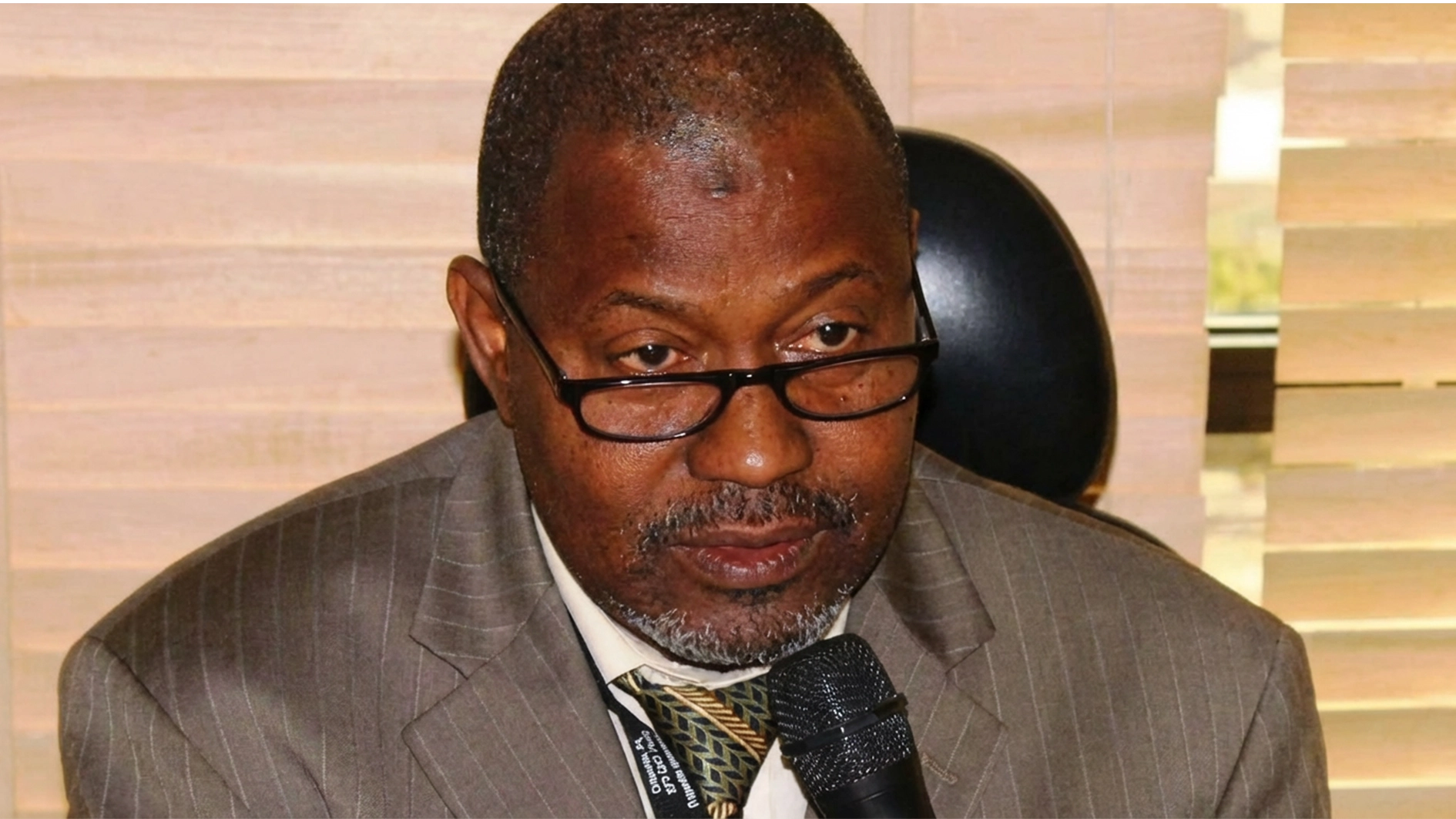
At the opening session, Director-General, GIABA, Mr Edwin Harris Jr, described human trafficking as a pervasive and evolving crime that undermines development, erodes human rights, fuels illicit economies and threatens regional stability.
Citing data from the United Nations Office on Drugs and Crime (UNODC), Harris said children accounted for over 75 per cent of trafficking victims in West Africa and the region, one of the most affected globally by trafficking in persons, child labour and modern slavery.
He also referenced the International Labour Organisation’s assessments, which showed that West Africa hosts a disproportionately large share of forced labour and related exploitation.
“These are not just statistics; they represent thousands of lives, often children, stolen from a future of dignity and opportunity”, Harris said. He blamed trafficking on several factors, including poverty, limited economic opportunities, entrenched gender inequality, conflict and displacement. Others are porous borders, weak institutional capacity and the growing involvement of organised criminal networks.
He stressed the need for collaboration between GIABA and EGDC as they respectively strengthen anti-money laundering and counter-financing of terrorism frameworks, as well as address social and gender-based vulnerabilities that traffickers exploit.
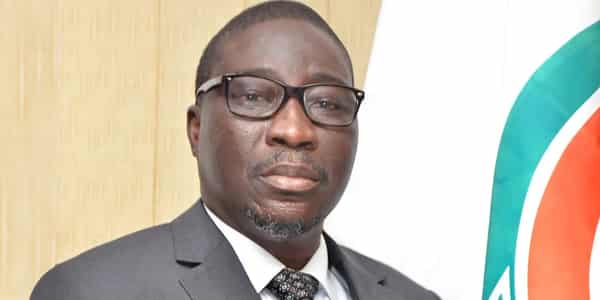
Also, Director/Chief Executive Officer, Nigerian Financial Intelligence Unit (NFIU) and GIABA National Correspondent, Ms Hafsat Abubakar Bakari, said the financial dimension of human trafficking is one of the most lucrative forms of transnational organised crime globally.
According to Bakari, human trafficking and forced labour generate over $150 billion yearly, with women and girls accounting for over 60 per cent of victims worldwide.
She added that behind every trafficking victim lies a financial trail while proceeds from recruitment, transportation and exploitation are laundered through banks, mobile money platforms, informal value transfer systems and increasingly digital channels.
She highlighted the role of NFIU in analysing financial data, disseminating actionable intelligence and working with agencies such as the National Agency for the Prohibition of Trafficking in Persons (NAPTIP), law enforcement bodies and international partners to identify networks, trace assets and disrupt criminal proceeds.
Both speakers admitted that trafficking cannot be addressed in silos but through multi-stakeholder and cross-border cooperation, and urged participants to be pragmatic by prioritising prevention and community empowerment.