
GDN SIDEBAR
During a conversation with Guardian Life’s Musa Adekunle, clinical nutritionist Fiyinfoluwa Odukoya explained how everyday foods can support the brain. Here are 10 foods he highlighted, along with why each one matters.
1. Fatty fish

Fish such as mackerel, sardines and salmon contain omega-3 fatty acids, including DHA, which supports the brain’s structure and normal function. Some studies also associate regular fish consumption with a lower risk of cognitive decline, although researchers are still studying the connection.
2. Eggs

Eggs contain choline, which the body uses to produce acetylcholine, a chemical involved in memory, mood and other nervous-system functions. They also provide protein and B vitamins that contribute to a healthy and balanced diet.
3. Green leafy vegetables


Ugu, spinach, scent leaf and kale provide nutrients such as folate, vitamin K and antioxidants. Studies have associated regular consumption of leafy vegetables with slower cognitive decline in older adults, but they should form part of a varied diet rather than serve as a memory booster.
4. Nuts and seeds
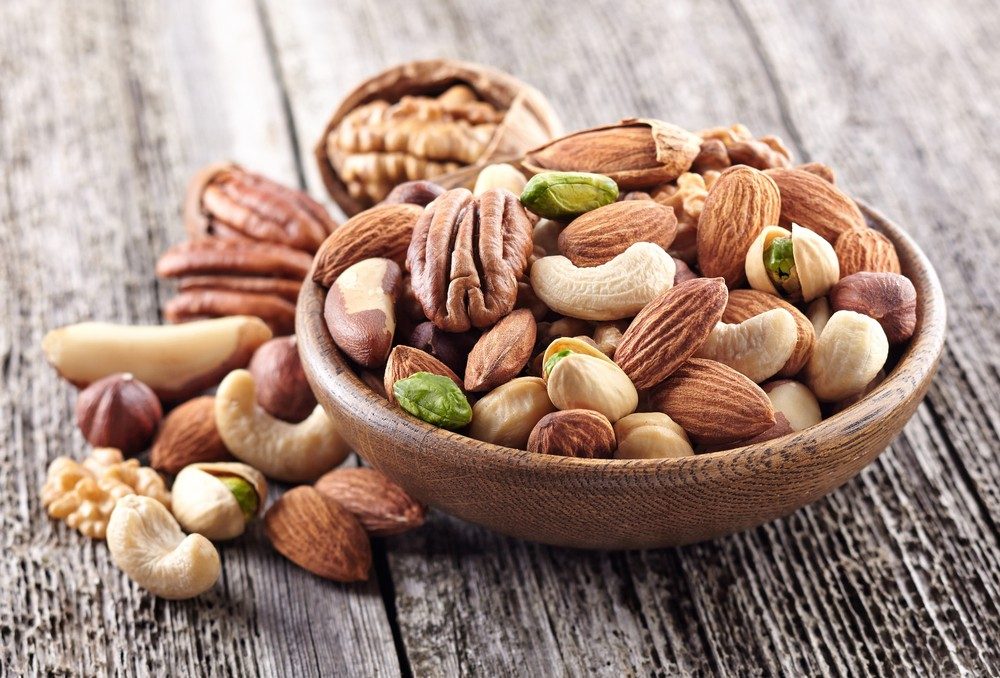
Groundnuts, walnuts, almonds, pumpkin seeds and sunflower seeds contain healthy fats, vitamin E and other nutrients. These nutrients help the body manage oxidative stress and make nuts and seeds a useful addition to a diet that supports general and brain health.
5. Beans
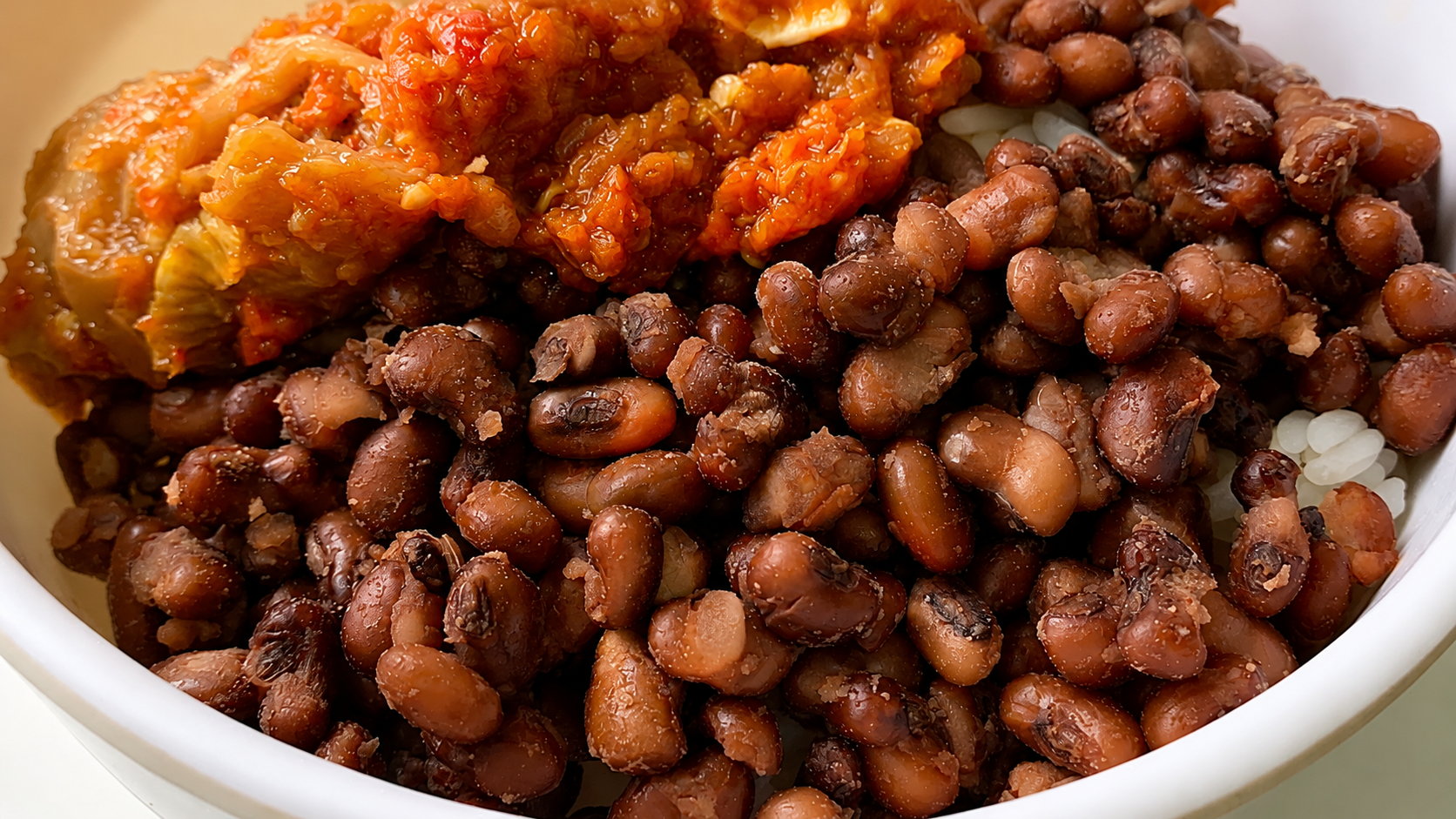
Beans provide complex carbohydrates, fibre and plant protein. The body converts carbohydrates into glucose, which the brain uses for energy. Because beans contain fibre, they can provide a more gradual source of energy than many highly refined foods.
6. Fruits
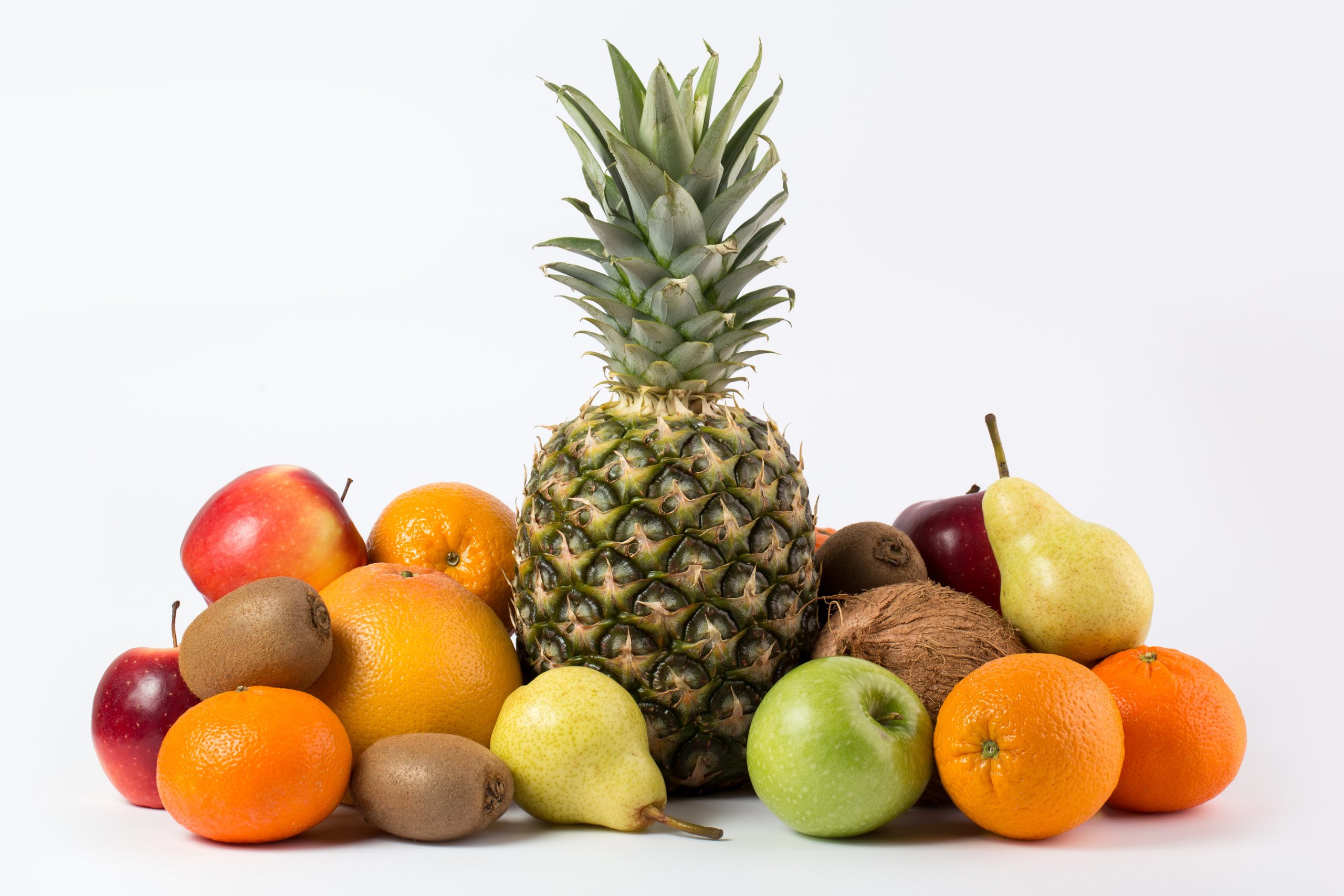
Oranges, berries, bananas and avocados provide different vitamins, minerals and beneficial plant compounds. Berries are often highlighted in brain-health research because of their polyphenols, but eating a variety of fruits offers more value than relying on one particular fruit.
7. Whole grains
Brown rice, oats, whole-wheat bread and unrefined cereals provide carbohydrates and fibre. They are generally digested more slowly than refined grains and can help the body maintain energy throughout the day, especially when eaten with protein and healthy fats.
8. Yoghurt

Yoghurt provides protein and calcium, while varieties containing live cultures can support gut health. Researchers are studying how the gut communicates with the brain, but there is not yet enough evidence to say that yoghurt directly improves memory or concentration.
9. Dark chocolate

Dark chocolate contains cocoa flavanols, plant compounds that may support healthy blood flow. Research into their effects on memory and concentration remains mixed, so dark chocolate should be enjoyed in moderation, preferably in varieties with a high cocoa content and less added sugar.
10. Tomatoes

Tomatoes contain lycopene, an antioxidant that helps the body manage oxidative stress. Research continues into its possible role in brain health, but tomatoes alone cannot prevent cognitive decline. They remain a nutritious addition to soups, stews, salads and sauces.