GDN SIDEBAR
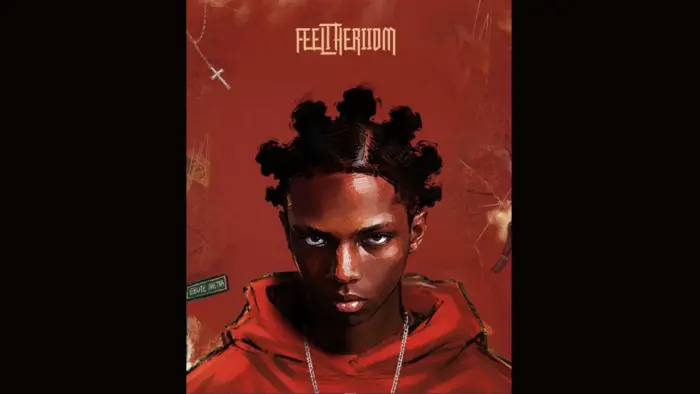
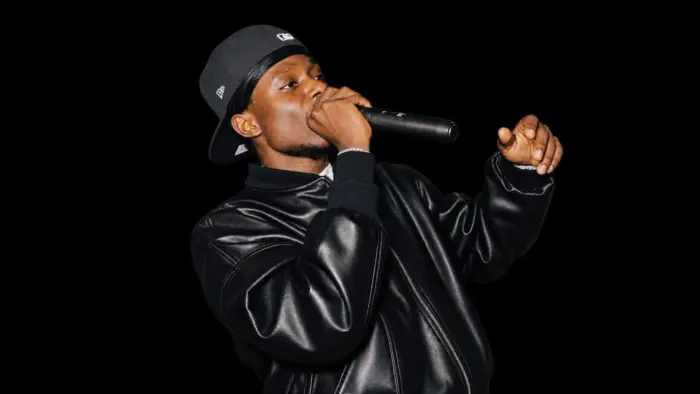
Writing as Àròkọ, Oladapo sets the terms of “PREORDER”, and Dekoad, Korede Olajide Adetunj, delivers them in a voice as soft as honey.
Oladapo’s pen name, Àrokò, is the old Yorùbá practice of sending a message as an object. It could be a cowrie shell or a knotted cord, so only the receiver or someone else with knowledge of the aroko understands the coded message. Oladapo’s writing works the same way as his pen name implies. “Preorder” chorus never explains itself. “I no want preorder o” is the object, and the listener has to untie it to grasp the message. The title, though, suggests a promise, a place held in a queue, or a reward deferred. The narrator turns it down flat, trusting the listener to unravel the messages.
The song is about refusing to wait in line for your own life, and Oladapo develops it from a single idea of ambition: the future is something you earn today, not even in cash, either as something you reserve and hope becomes a reality.
The verse sets out the terms. Singer Dekoad (Korede Olajide Adetunji), interpreting Oladapo’s lyrics, asks for tequila when sober, dismisses the “ajebutter” comfort of inherited money, and refuses to be seduced by a rival’s beamer. He prays, then grinds for his “mullah” every day. The call-and-response ad-libs (“Shayo shayo o, l’aiye l’aiye o, Na wo, na wo o, [drink, drink, never, never, spend, spend”]) work like market chatter around the boast, a crowd confirming what he says. The pairing of hallelujah with hustle is the verse’s best joke and its sincerest line. Faith and labour are partners for success, with neither allowed to excuse the other.
The pre-chorus is where self-worth enters. “You can’t do me nothing” is standard swagger, but the gloss “young but anoti,” meaning young but invincible, gives it a youthful, slightly defensive shine. It is a line from someone still proving the claim. That tension keeps the song honest.
The song’s most human and nuanced part is the bridge. It points out what bragging hides and the fear beneath it. “I dey hope for better days / We no fit to go insane,” Oladapo writes, and Dakoad sings in a voice that shows confidence is a coping strategy when sanity is at stake. The lyrics become erratic in the latter part. It swerves back to “my lamba plenty,” a flourish of abundance of hype, not exaggeration or lies, to fake confidence. But it comes almost too quickly as a pretence. Some listeners will hear that as a convincing dodge, others as a missed chance to stay in the vulnerable moment a little longer. I lean towards the second reading. The bridge deserves a fuller verse of its own, and the song hurries past it.

The lyrics’ structure has a weakness that almost ruined the song.
The repetition of the first verse twice, which is claimed to be for emphasis, is a familiar move. It, however, contributes nothing the first passage did not already establish. The lines are strong enough to survive repetition, but the song never uses the second pass to push the idea further or sharpen it. A second verse that tested the narrator’s claims, a setback, a doubter, a bill, would have turned a declaration into a firm belief in himself.
The best decision in the lyric is the chorus’s last line. “I fit do wetin no man can do” is self-assured. What no man can do is left unnamed, so the boast becomes limitless and the listener fills the gap with their own ambition.
“Rọra o, rọra o (gently, gently)” is where the song turns from hardiness to softness. These are fighting words, but they are softened, almost as a lullaby. Dekoad sings with a tender, honeyed voice, and that is the song’s most interesting contradiction. On the page it could read as a warning, but in his mouth it becomes a self-instruction, a man telling himself to stay calm while he chases something large. The sweetness makes the swagger believable. Nobody doubts the loud boaster less, but we believe the quiet one more.
The clipped final line, “I fit do wetin…” works especially well in his delivery, since his voice thins as it trails off, so the unfinished boast sounds like confidence and not a lapse. The cost of that gentleness is that the pre-chorus’s defiance never quite bites. A rough-and-ready delivery edge on “you can’t do me bad” would have sharpened the threat, but he leaves it smooth.
“PREORDER” is a considered piece of songwriting that trusts hardiness over shyness. Oladapo gives Dekoad steadfast lyrics about waiting for nothing, and Dekoad sings it as though he has all the time in the world.