
GDN SIDEBAR
In Kano, food is part of everyday life. From waina eaten hot in the morning to bowls of tuwo and soup, the city’s traditional dishes offer a taste of its Hausa culture and daily life.
Kano has its old city walls, busy markets, mosques and crowded streets. But food is also a big part of life in the city.
Much of Kano’s cooking is based on ingredients that have long been used in Northern Nigeria. Rice, millet, maize, beans, groundnuts, meat and baobab leaves are used in different dishes, many of which are still prepared at home and sold by local food vendors.
The National Institute for Cultural Orientation lists more than 20 foods associated with Kano, including tuwo dawa, tuwon masara, tuwo shinkafa, wainar shinkafa, danwake, gurasa, funkaso, miyan kuka and miyan taushe.
For anyone visiting Kano, these dishes are a good place to start.
Waina

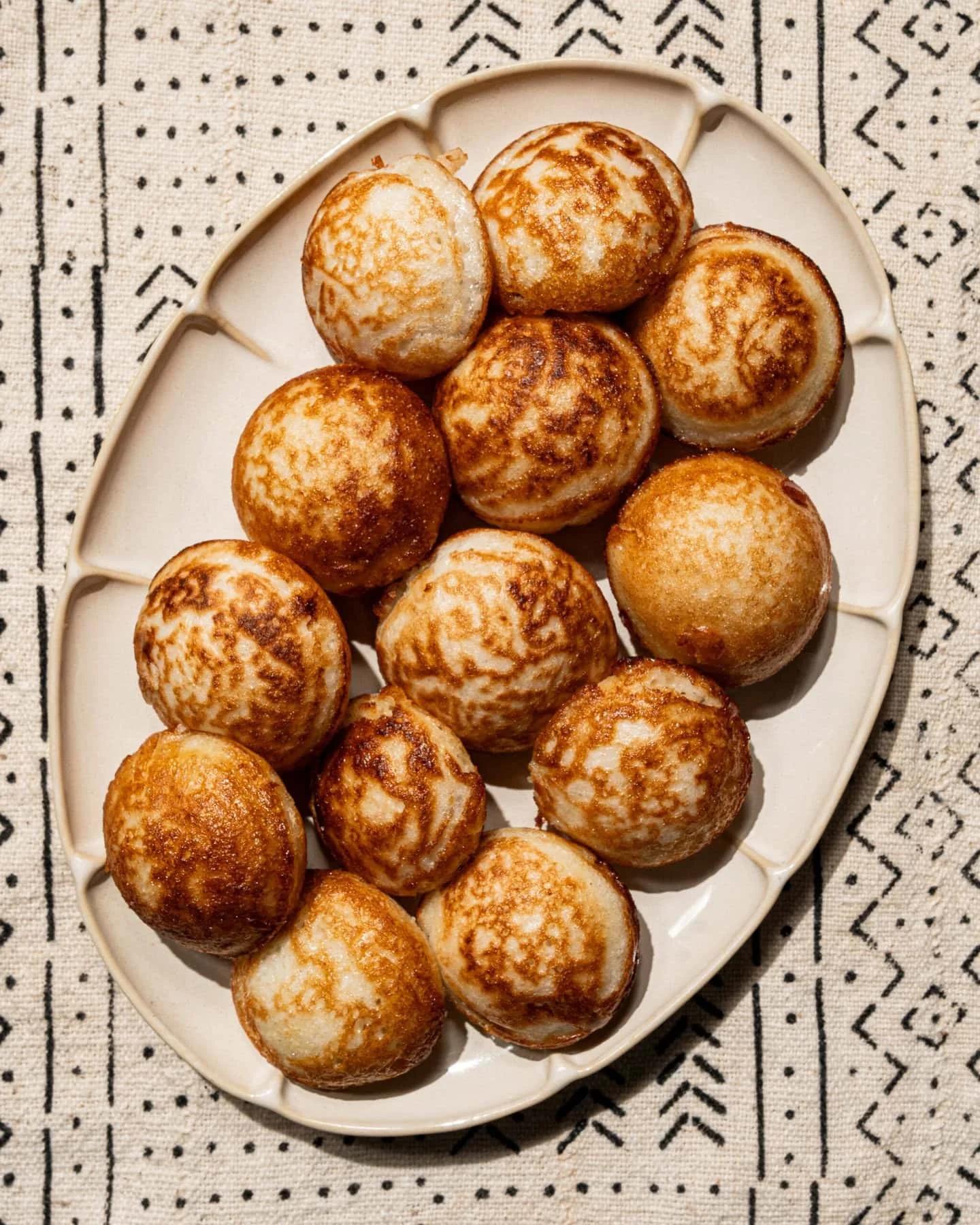
Also known as wainar shinkafa, the little rice cakes are made from fermented batter and cooked in a round, dimpled pan. The finished cakes are soft inside, with lightly browned edges. They are usually served with pepper, yaji or a sauce.
In Yan Awaki, in the old city, masa sellers prepare them in the morning, often cooking them as customers wait.
Eat waina straight from the pan if you can. It is warm, soft and slightly tangy from the fermentation. Add some pepper, and you have a simple breakfast.
Tuwo and soup
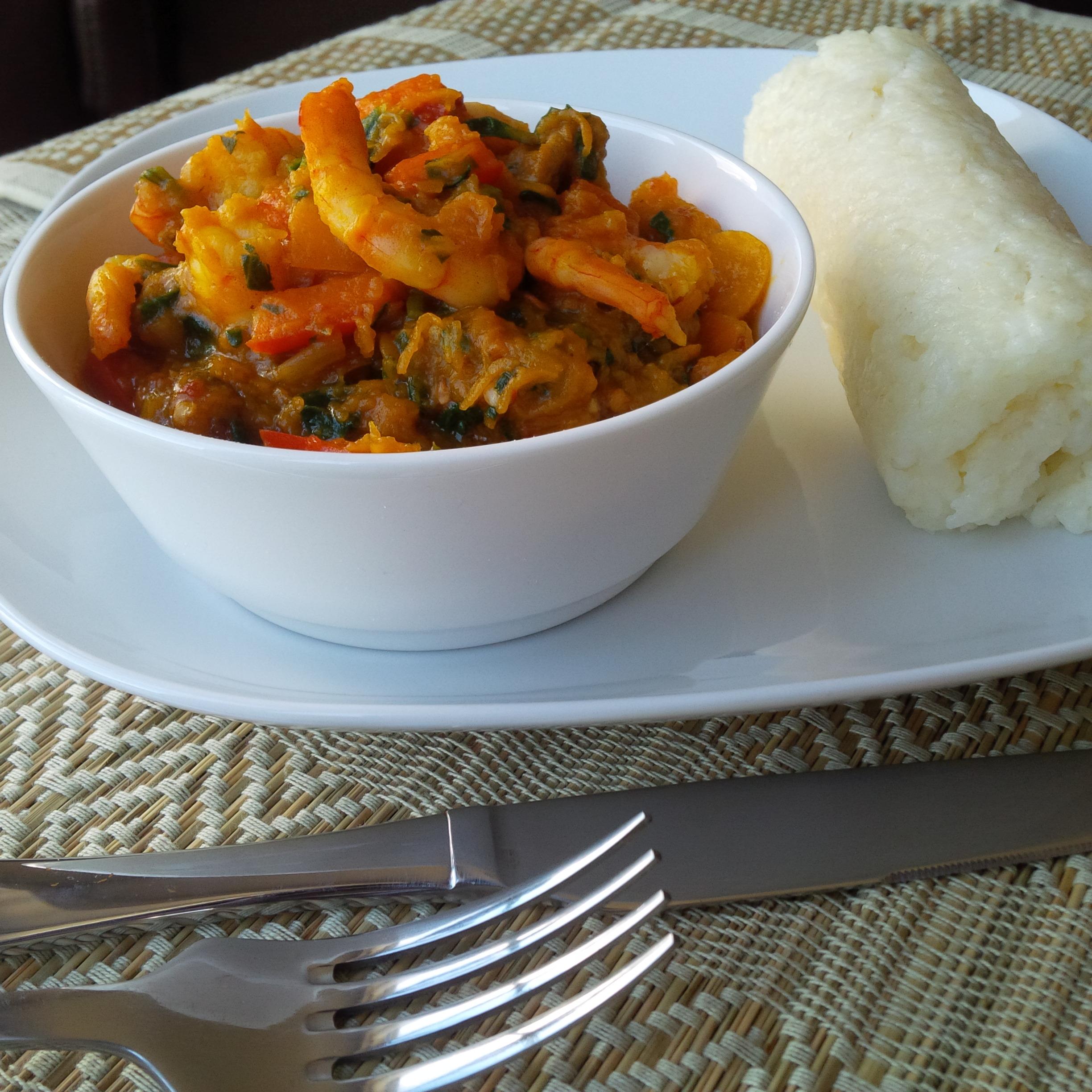
There is more than one kind. Tuwo shinkafa is made from rice, while tuwo dawa and tuwo masara are prepared from grains such as guinea corn and maize. The smooth, firm mound of tuwo comes with soup, usually in generous portions.
Miyan kuka, prepared with powdered baobab leaves, is one of the soups commonly eaten with tuwo. Miyan taushe is made with pumpkin and groundnuts and has a richer, nuttier taste.
Break off a piece of tuwo with your fingers, use it to scoop up the soup and continue.
For anyone used to eating rice, yam or swallow with soup, the combination is familiar enough, even though the flavours are different.
Danwake
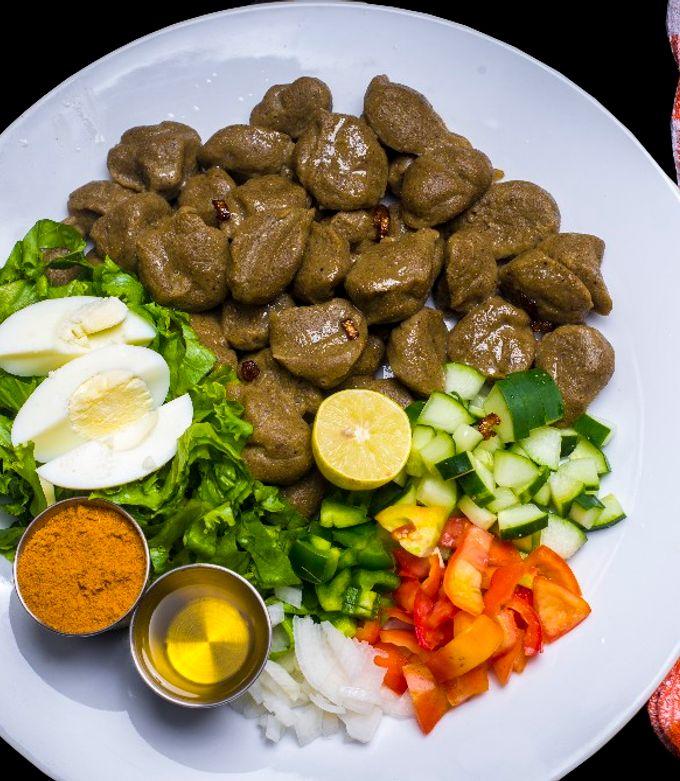
The small dumplings are made from cereal and bean flours, cooked and served with pepper, oil and other seasonings. Groundnut oil and kuli-kuli may also be added.
It is inexpensive, filling and commonly eaten as a casual meal.
Find a food seller, order a plate and watch it being put together. The amount of pepper can be adjusted, but it is part of the dish.
Gurasa, Kano’s bread
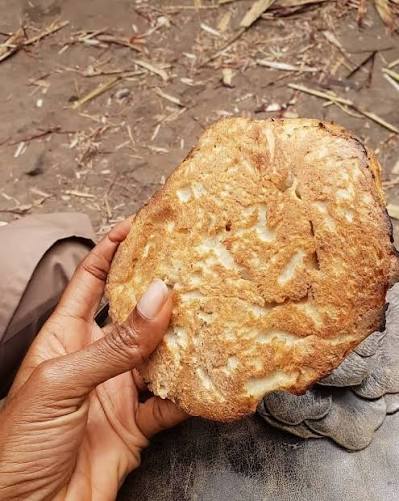
The flatbread is made from fermented dough and traditionally cooked in a clay oven. It is soft, slightly chewy and can be eaten with soup, meat, groundnuts or other accompaniments.
Gurasa has been part of Kano’s food culture for generations. Its history is also linked to people who came to the city from other parts of the Islamic world and brought food traditions with them.
In Kano, Jakara Yan Gurasa is associated with the making and selling of the bread. Eat it warm if you can. Fresh from the oven, it is softer and more enjoyable.
Fura da nono
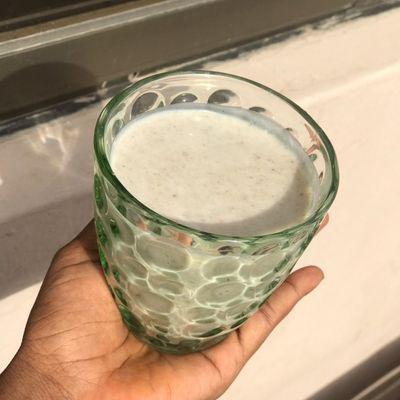
Fura are small balls made from pounded millet. They are mixed into nono, fermented cow’s milk, producing a thick drink with a slightly sour taste.
The mixture is often served from calabashes by roadside sellers and market vendors. Kofar Wambai is one of the places where it can be found.
Fura da nono is more filling than it looks. A serving can carry you through the afternoon, particularly on a hot day.
Kilishi
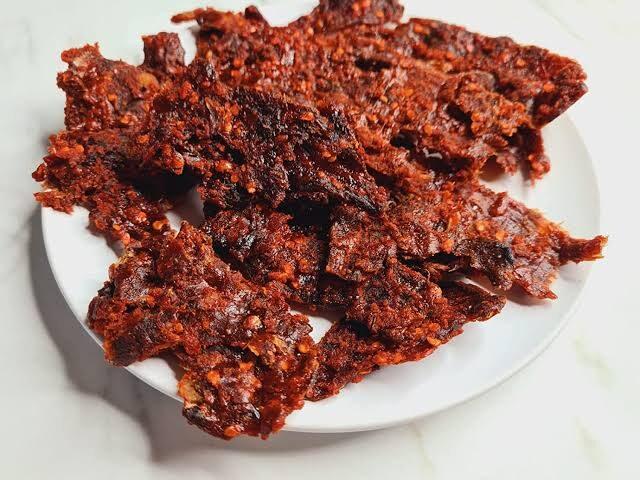
No food trip through Kano is complete without kilishi. The meat is sliced thinly, seasoned and dried before being coated with a spicy mixture. The finished product is firm, dry and full of flavour.
Kilishi is sometimes compared with suya, but the two are prepared differently. Suya is grilled and eaten hot, while kilishi is dried and made to keep.
That makes it easy to take home. Buy some for the journey, although there is a good chance the packet will be opened before you get there.
Funkaso
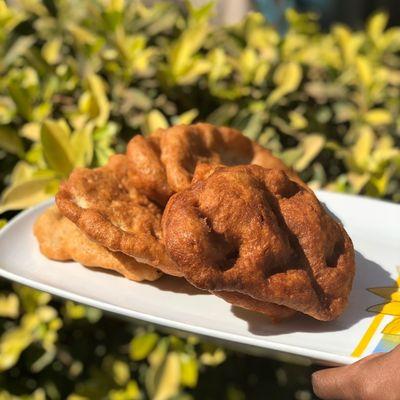
The fried, pancake-like food is made from flour and can be eaten with soup or other accompaniments. It is one of the traditional dishes recorded as part of Kano’s food culture.
It is also a reminder that Northern Nigerian food is not just tuwo, meat and spices. There are many everyday dishes that remain more familiar to residents than to visitors.
Where to find these foods
Kurmi Market, Kofar Mata, Kofar Wambai and Kofar Ruwa are among the places to explore if you want to see more of everyday Kano. The old city also has food sellers and small eating places where traditional dishes are still part of the daily menu.
There is no complicated plan needed. Ask what is fresh, see what people around you are eating and try something you have not had before.
In Kano, food is part of the experience of the city. Sometimes, sitting down to eat is as useful as walking through its streets when you want to understand a place.