GDN SIDEBAR
The next stop on any cultural tour of Abeokuta tells the story of a family whose influence still echoes across Nigeria. Hidden in the Isabo area of the city, the Kuti Heritage Museum is much more than an old family house preserved for visitors. It is a place where history meets family, where every room offers a glimpse into the lives of people whose ideas, courage and convictions helped shape the nation.
The house was once home to Reverend Israel Oludotun Ransome-Kuti and his wife, Funmilayo Ransome-Kuti, two remarkable figures whose values left an imprint not only on their children but on Nigeria itself. It was within these walls that they raised Dolupo, Olikoye, Olufela, better known as Fela and Bekololari, fondly called Beko.
Each child would grow up to make an extraordinary contribution in fields ranging from education and medicine to human rights and music, making the museum an essential stop for anyone interested in the stories behind some of Nigeria’s most influential names.
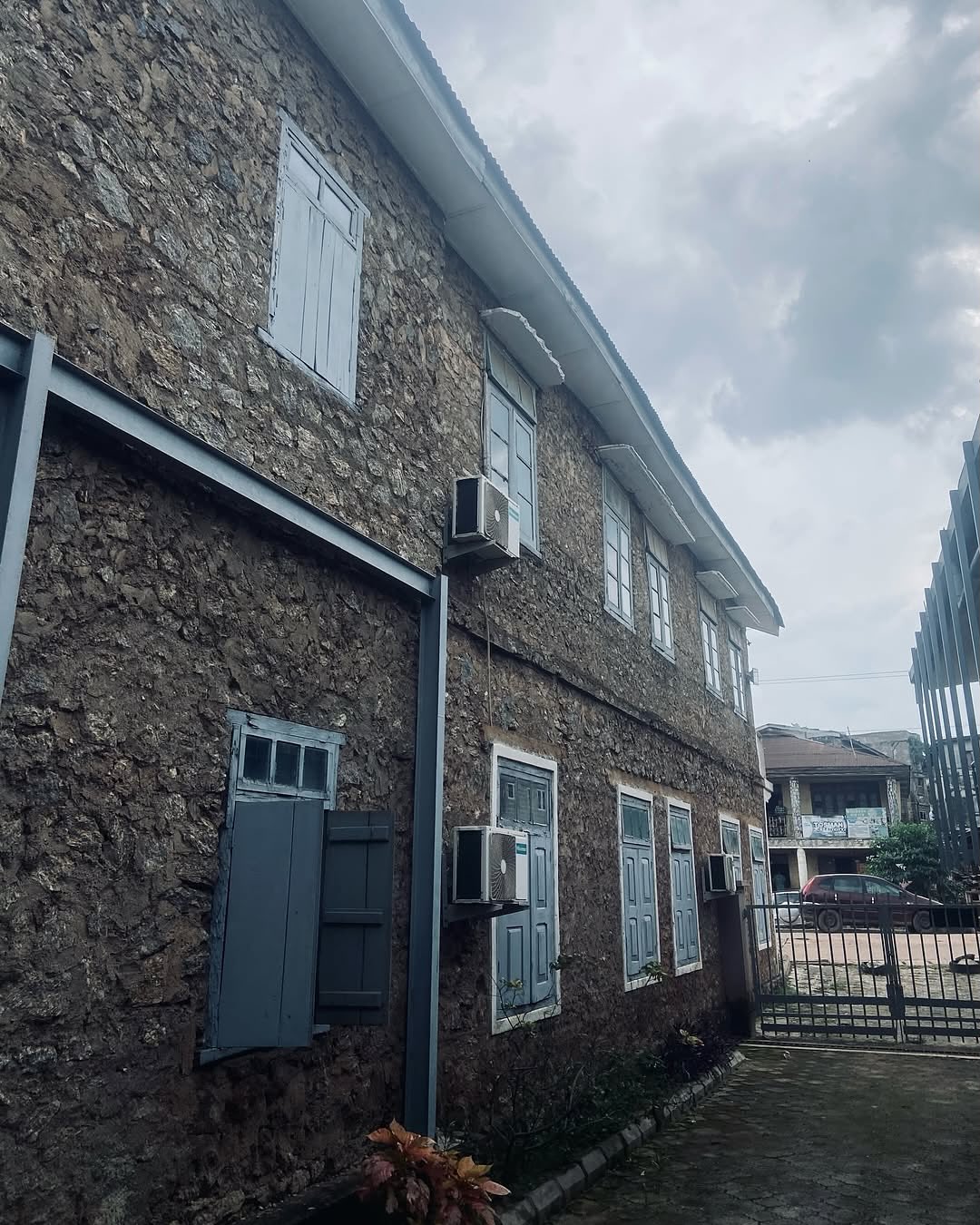
From the outside, the house is surprisingly modest. There is nothing extravagant about it, and perhaps that is part of its charm. Instead of transforming it into a polished, modern museum, those who restored it chose to preserve its original character. The result is that it is almost as though the family has only stepped out for a while.
Walking through the front door, that feeling only becomes stronger. The rooms are filled with original furniture, old cabinets, vintage household appliances and carefully preserved personal belongings.
Framed family photographs hang on the walls, while everyday objects tell stories of life long before fame and public recognition entered the picture. Rather than feeling like a formal exhibition, the house has the warmth of a family home. It is easy to imagine children running through the corridors or relatives gathered around the dining table sharing meals and conversations.

As the tour continues, visitors begin to see how ordinary family life laid the foundation for extraordinary achievements. Books line the shelves, handwritten notes have been carefully preserved, and personal keepsakes reveal a household where education, discipline and curiosity were part of everyday life.
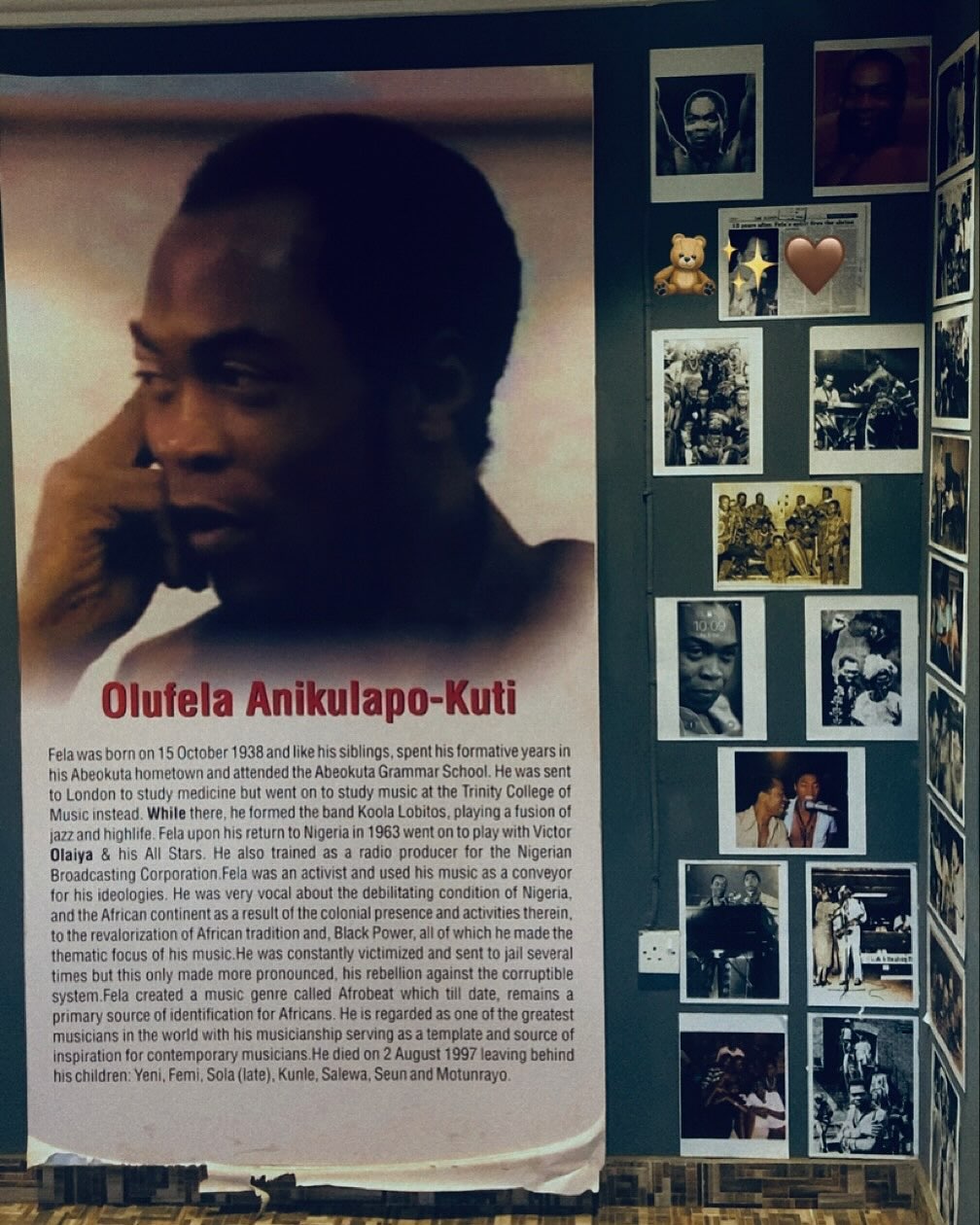
There are musical instruments and memorabilia that celebrate Fela’s legacy, but they exist alongside objects that remind visitors he was first a son growing up in this very home before becoming a global icon.
One of the highlights of the experience is the guided tour. The guides do far more than point out old photographs or identify artefacts. They tell stories that breathe life into every room, connecting visitors to the people who once occupied these spaces.
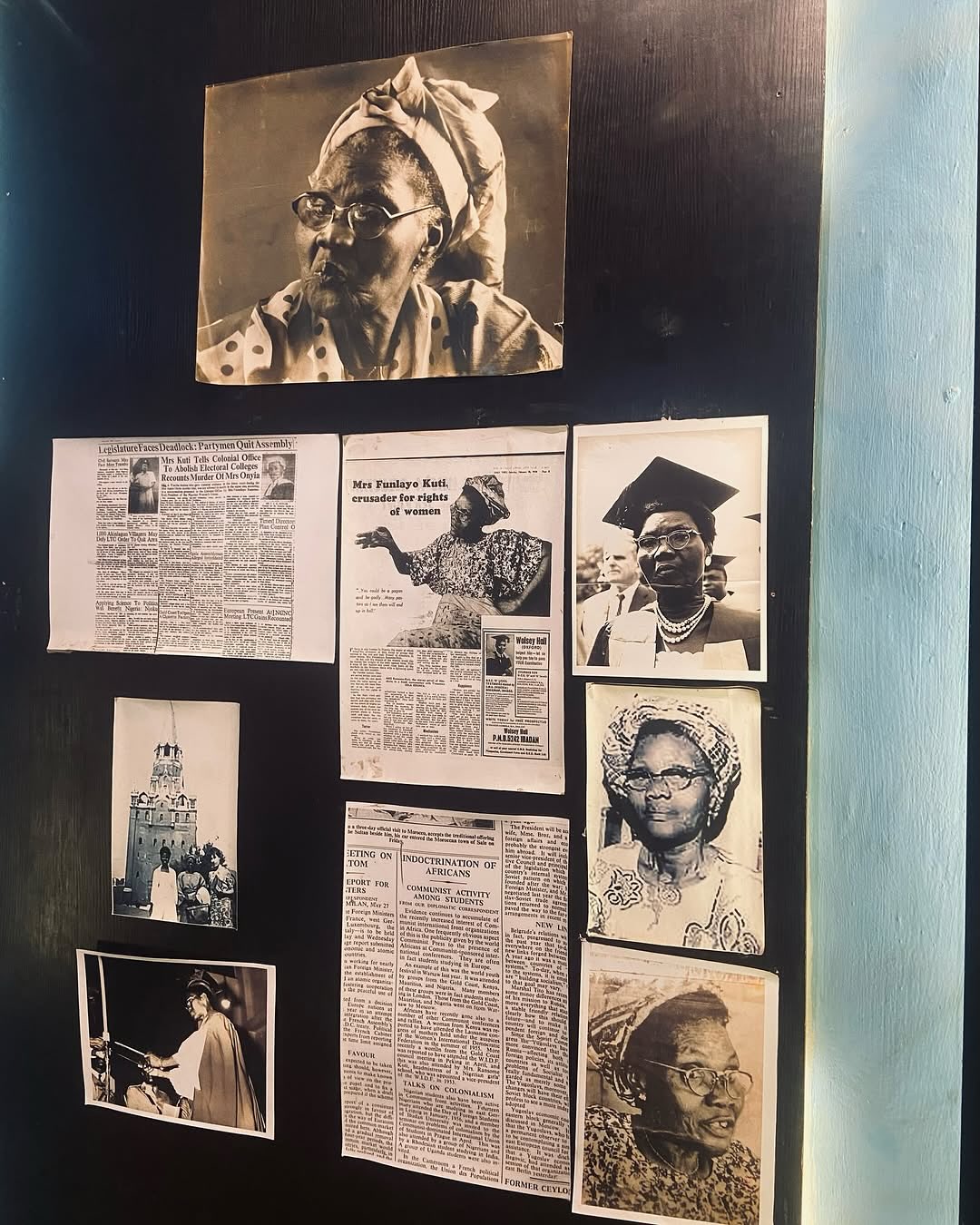
Through their narration, Funmilayo Ransome-Kuti emerges not simply as a historical figure but as a fearless woman who challenged colonial authorities, fought tirelessly for women’s rights and refused to be intimidated despite the dangers she faced. Equally inspiring is the story of Reverend Ransome-Kuti, whose commitment to education, faith and critical thinking helped nurture children who would never be afraid to question injustice.
Those values became evident in the paths each of the children eventually took. Professor Olikoye Ransome-Kuti became one of Nigeria’s most respected physicians and introduced major reforms that transformed public healthcare. Dr Beko Ransome-Kuti earned widespread respect as a relentless advocate for democracy and human rights, enduring repeated arrests because he refused to remain silent under military rule.
Then there was Fela Anikulapo-Kuti, whose Afrobeat music grew into a powerful form of social and political commentary. His songs challenged corruption, confronted authority and gave voice to the frustrations of ordinary Nigerians, leaving behind a legacy that continues to inspire audiences around the world.
Perhaps the museum’s greatest strength is that it looks beyond the famous names. It is more interested in the family that shaped these individuals. Walking through the preserved bedrooms, sitting areas and hallways, it becomes easier to understand how conversations around the dinner table, shelves filled with books and parents who encouraged independent thinking could produce people who would go on to influence an entire nation.
The museum also adds another layer to Abeokuta’s story. While the city is often associated with Olumo Rock and its colourful Adire markets, the Kuti Heritage Museum highlights a different part of its heritage, which is one rooted in intellectual curiosity, civic responsibility and cultural expression. Together, these landmarks reveal a city whose contributions to Nigeria extend far beyond tourism.
More than a collection of photographs and family heirlooms, the Kuti Heritage Museum is a reminder that history often begins in ordinary places. Within these walls, a family lived, learned and grew before stepping out to shape hospitals, classrooms, concert stages, courtrooms and protest grounds across the country.
For visitors, look beyond the exhibits, and you will see the museum offers something deeply rewarding: an opportunity to connect with the people behind the history and to appreciate how one family’s values helped leave a lasting mark on Nigeria.