GDN SIDEBAR
NEED TO KNOW
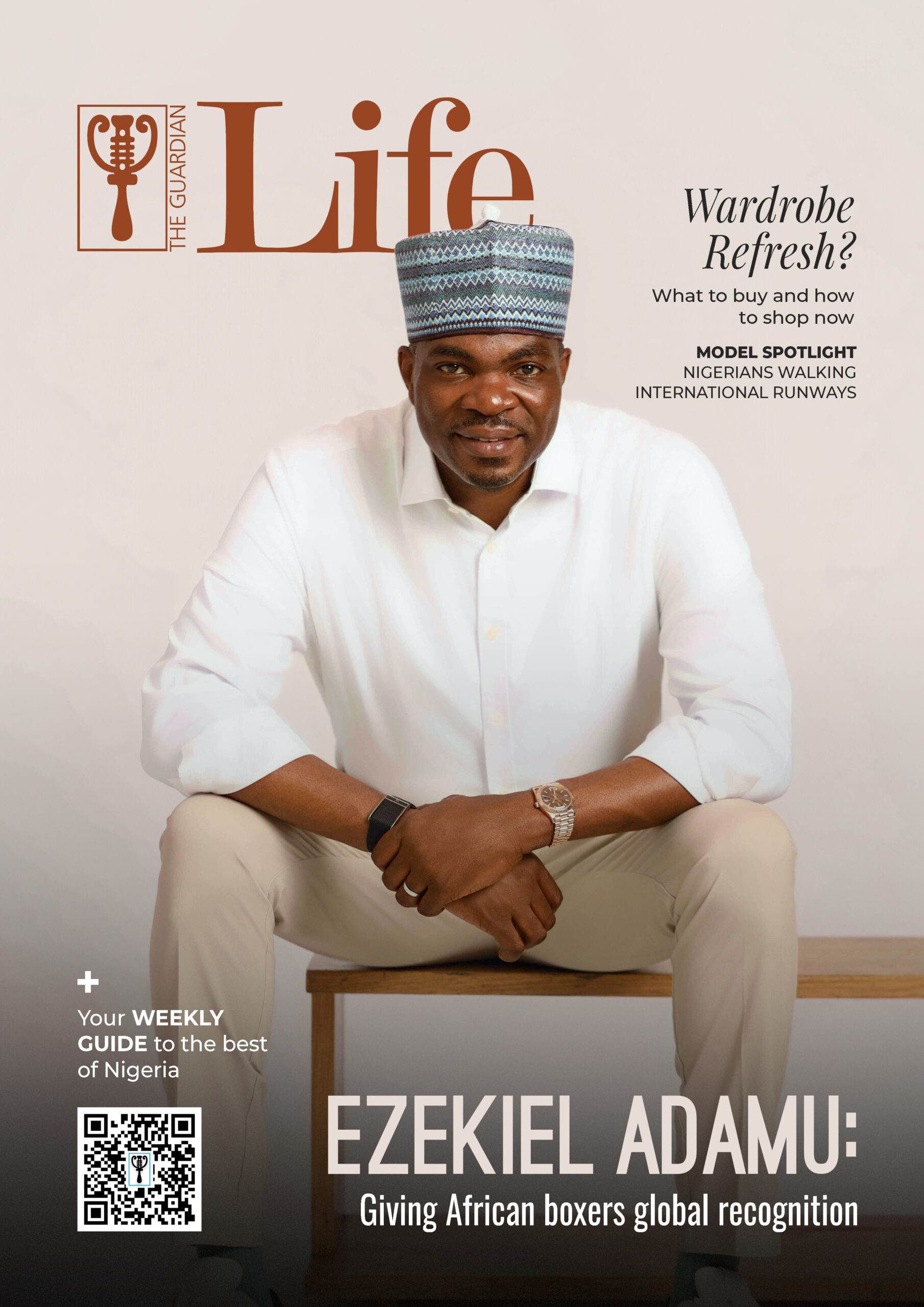
- Ezekiel Adamu is the founder of Balmoral Group, an events and hospitality business, and the first son of sports administrator Dr Amos Adamu.
- Adamu holds a degree in Computer Science from the University of Luton, now the University of Bedfordshire, and a master’s in Financial Decision Analysis from the University of Portsmouth.
- He received an honorary Doctor of Science in Business Management and Corporate Governance from European-American University in 2021.
- His early ventures included a car wash in the United Kingdom. He also worked at Schlumberger Nigeria before leaving to pursue entrepreneurship.
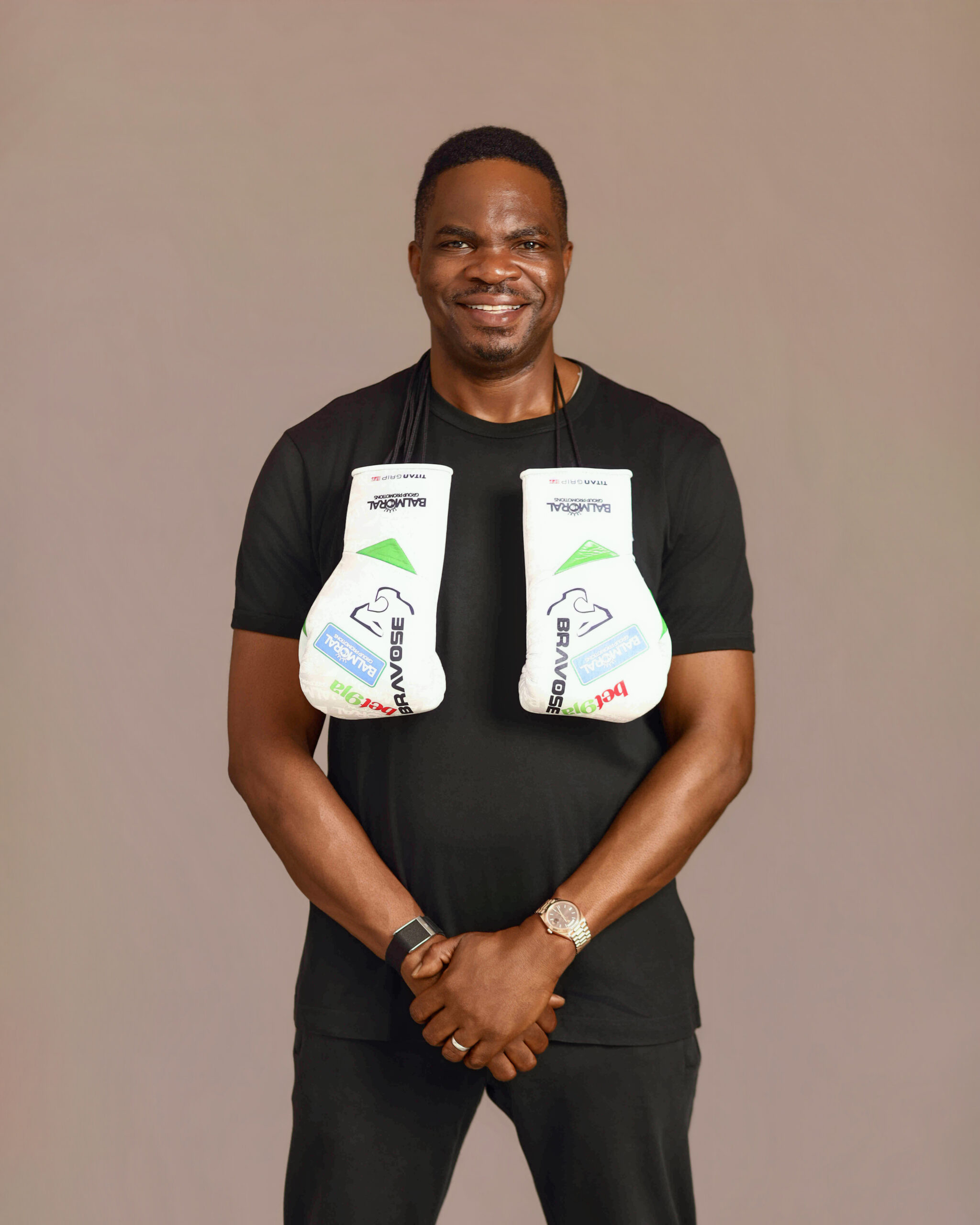
- He heads Balmoral Group Promotions, the company behind Chaos in the Ring, which brings together professional boxing, celebrity fights and live entertainment.

Ezekiel Adamu is the promoter behind Nigeria’s most talked-about celebrity boxing contests. Through Balmoral Group Promotions’ Chaos in the Ring, he staged Portable’s fight against Carter Efe and the singer’s rematch with Charles Okocha, bringing familiar entertainment personalities into the ring.
His latest show at the Federal Palace Resort, Lagos, on October 1 featured Carter Efe against Speed Darlington and Phyna against Nkechi Blessing. The celebrity contests shared the programme with professional bouts, bringing different audiences together for a night of boxing and entertainment.
The combination draws on his experience in the events business. Before the boxing shows, Balmoral’s work included drinks festivals, concerts, beach soccer and family entertainment. Adamu now brings that experience to a platform designed to attract new boxing audiences and give professional fighters greater visibility.
Speaking exclusively with Guardian Life, Adamu discusses building Balmoral, investing in Nigerian fighters, the business behind celebrity bouts, balancing work with family and his ambitions for a broader sports and entertainment company, among other issues.
What was life like before Balmoral, and what first pushed you towards business?

During my NYSC, I worked as a systems analyst for about a year. After that, I went on to start Balmoral. Balmoral started between 2007 and 2008.
What sparked your interest in event venues?
I grew up in a sports family. My dad used to run sports for almost two decades as well. I had the opportunity to travel around the world for big sporting events. I saw marquees and tents that looked like houses. Sometimes, the way they set them up looked like a proper home, and the next day, it was no longer there. That was what fascinated me about going into venues. With everything I do, I like to expand and improve. That’s the reason we have a network of venues.
What was your first big risk in the business?
I think starting was the first one. Even getting up and saying we were starting an operation was a risk. When we started, I had ideas. We started with an event centre in Oregun. At that time, people preferred street parties. The bragging rights were about having a big party and blocking seven streets so people couldn’t get to their homes in the morning. When I started the event centre, I didn’t get a single customer for the first year. Getting that first customer was a big moment. It was a 50th birthday celebration.
How has running the business been so far?
It’s been almost two decades. Connecting the dots and looking back, I would say it’s been rewarding. It’s been challenging, but I understand now that a challenge is an opportunity to grow. You need that friction to grow. It’s like working out or going to the gym. If you don’t work out, you don’t build muscle. The more you work, the better you get. I see work as a way of building yourself and developing your qualities as a person.
What drew you to boxing, and why did you decide to invest in Nigerian fighters?
I’ve done quite a lot of events and tried my hand at different ventures. I’ve done family entertainment and football events. I don’t think I chose boxing. I think boxing chose me. We had an event that was supposed to be an experiential event, and we brought boxers together. Since then, all we’ve been doing is trying to give our professional boxers opportunities to advance to the next level and take them to the rest of the world.
For me, it’s a calling. It’s the opportunity I saw here in front of us. We have a very youthful demographic, and they don’t have the opportunities. Sports transcend everything, so using sports to push them is a no-brainer. I think it’s a call to duty.
What challenges have you faced building a boxing business in Nigeria?
The truth is that I’m coming into an environment that has no structure. There’s no commercial value at all. We’re coming into a sport where we’re having to build everything from scratch. There are huge opportunities to make a difference in people’s lives, especially with the talent we have here.
Everything that works seamlessly elsewhere, you have to struggle to get done here. Even basic things are a struggle. Sanctioning is a struggle. The boxers’ training camps are a challenge. Everything that should be seamless is a challenge here. The great thing we have is our people and the talent. The infrastructure and support are not there.
How do celebrity fights fit into your plans to build a wider audience for Nigerian boxing?
For me, it’s about building an ecosystem that works properly. What we’re doing at the moment is building the audience for boxing. To build that audience, you have to make it mainstream. Football is what it is now because it has become mainstream. Boxing globally is also a mainstream sport. That’s why we’re bringing influencers into boxing. We’re building a boxing audience and getting people to see boxing as entertainment, not as a violent sport.
We didn’t reinvent the wheel. We saw how it was done in other places and emulated what worked there. Nigeria has a youthful demographic, and we’re a mobile-first economy. The influencers also see it as an opportunity to reach a new audience, while we get a new audience into boxing. It’s not just about putting people together. We need people who drive major engagement and help us bring a new audience into the sport.
What support does your platform provide for professional boxers?
Our usual mindset for young people is that they work hard and hope they get an opportunity to travel outside the country, get training and appear on the global stage. I think what we’ve done in a short period is completely change that. Our athletes and fighters don’t necessarily have to leave the country to earn good money and have global visibility. They can have that visibility right here in Nigeria. Even some talents who have travelled don’t have the visibility we have. What athletes and talent need is exposure. If you’re the best fighter or footballer and nobody sees you, it’s like winking in the dark.
What does it cost to stage a major boxing event in Nigeria?
A full production depends on the scale of the event. It’s between half a million and about a million dollars. It depends on the production and everything that comes with it, the media and all of that.
What attracts investors and partners to your vision?
It’s the momentum we’re building. There are two types of people. You have people who talk about what they want to do. I tell people what I want to do, and I invite them into the vision. I believe that, along the way, you get investors and partners who share that vision to come and join you.
What has building your business demanded of you personally?
Making time for the people who matter to me has been my biggest challenge to date. I’m blessed with a good family that understands what I do. If I had a wish, it would be to spend more time with my family while building this venture. It’s something I’ve never done before, especially the sports side, but it’s enjoyable when you see the results you add to other people’s lives.
What advice would you give someone who wants to go into boxing?
I’ll tell you what I’ve learnt from business. Experience matters, but you also have to go through the process. Expect challenges. You have to love it. It’s a difficult sport, and you have to love what you’re doing. If you’re going into it saying, “I want to make money,” like any business, I don’t know how that works. We all want to make money, but you also need to love it and have something pulling you. Let something pull you towards what you’re doing instead of pushing you. When you keep pushing, sometimes you get tired. But if something is pulling you, you won’t relent until you get to where you’re going.
How far do you want to take this business?
We’ve only been doing boxing at this level for one year. If we’ve been doing this for a year, imagine where we’ll be in the next three to five years. Our vision is not just boxing. Eventually, we want to go into all sports. I believe that sometime next year or the year after, we’ll go into football as well. We’re already having that discussion with DAZN, and we’ll be broadcasting it to a global audience.
For me, the vision is to build a global sports entertainment and media outfit with strong infrastructure. Eventually, we want to be the first sports and entertainment company listed on the stock exchange. The vision is to build a company with a market capitalisation well over $50 billion, using talent while also supporting talent and building infrastructure across Africa.
I believe we’ve come up with a product Nigerians love, and we’ll continue to build infrastructure around it. Beyond the entertainment, there’s the professional side, a storytelling element and a global audience, which helps Nigeria’s image. If we do this consistently, we get fighters coming here, drive tourism and create employment for people working on the events. I think it’s a full ecosystem.