
GDN SIDEBAR
You stop noticing your perfume halfway through the day, so you reach for the bottle again. Before adding another spray, remember that the people beside you could still smell the first application.
Repeated exposure to a smell reduces how strongly you notice it. Researchers describe this through olfactory adaptation and habituation, sometimes loosely called “nose blindness”. That helps explain why a familiar fragrance becomes less noticeable to its wearer.
However, perfume also fades. Your inability to smell it does not tell you, on its own, whether it has disappeared or whether you have simply grown used to it.
That distinction matters when you wear fragrance around other people.
Consider where you are going

A perfume you enjoy at home accompanies you into the office, a shared car or a crowded bus. The people nearby have their own preferences, and some are sensitive to fragranced products.
According to the American Lung Association, fragrances trigger headaches, nausea, or irritation in some people. They also trigger breathing symptoms in susceptible people, including those with asthma. Reactions vary between individuals.

Someone asking you to use less perfume is therefore not necessarily criticising your taste. They could be responding to physical discomfort.
Before applying it, consider how closely you will sit beside others and whether the venue has a fragrance policy. An outdoor event and a small meeting room call for different decisions.
Avoid chasing the scent
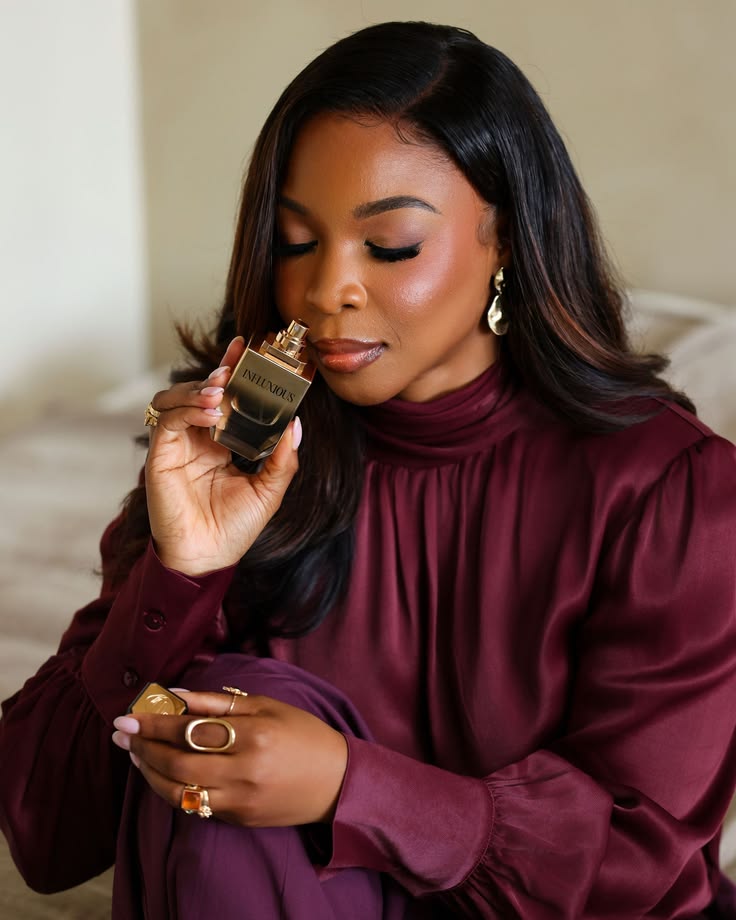
There is no useful spray count that suits every perfume and every setting. Counting sprays alone does not tell you how noticeable a fragrance will be.
Start lightly when wearing an unfamiliar perfume. Give yourself time to judge it before adding more, rather than applying several sprays in quick succession.
If you stop noticing the scent later, resist treating that as an automatic signal to reapply. Ask someone you trust whether it is still noticeable and whether it feels too strong at close range.
Their feedback offers another perspective, although it does not establish what everyone else will find comfortable.
Make room for other people

Enjoying perfume does not require wearing enough for a whole room to notice. In shared spaces, the practical question is how your choice affects those sitting nearby.
Follow fragrance-free rules where they apply. If a colleague, passenger, or friend says your perfume is causing discomfort, take the concern seriously and adjust what you wear around them.
Before your next top-up, check whether the first application is still noticeable.