GDN SIDEBAR
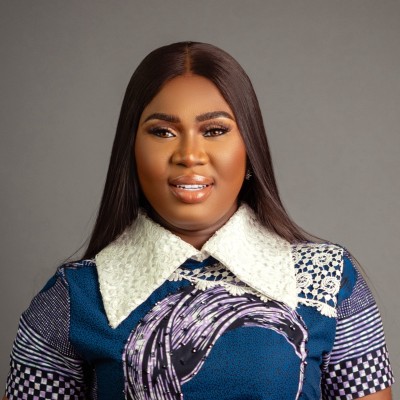
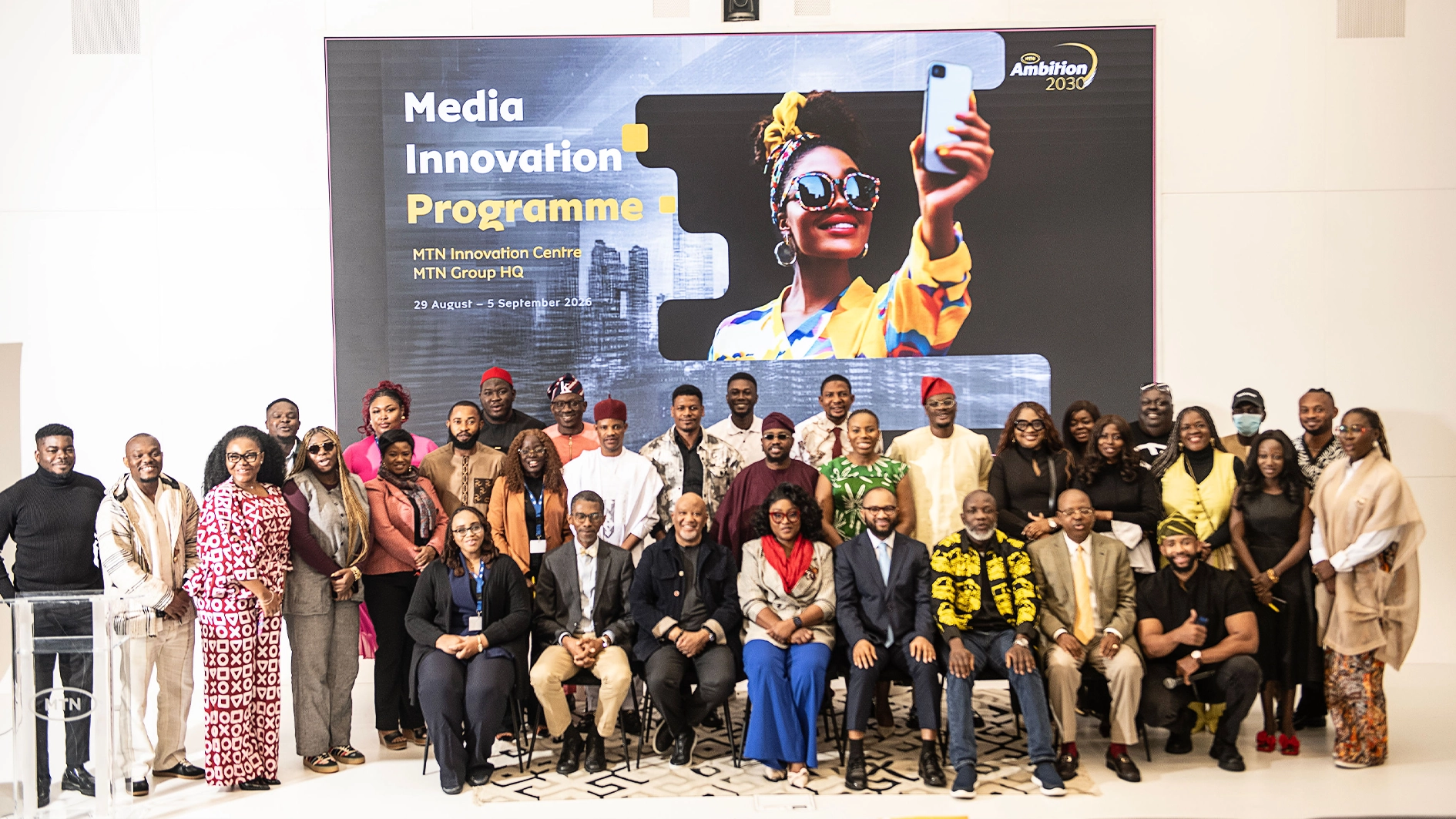
Selected alongside other journalists for the MTN Media Innovation Programme (MIP) Fellowship in South Africa, Editor, Guardian Woman, Ijeoma Thomas Odia reflects on her experience visiting the Apartheid Museum, Nelson Mandela Foundation and other sites of historical significance in her Travelogue.
A few weeks before travelling to South Africa for the MTN Media Innovation Programme (MIP) Fellowship, apprehension shadowed my thoughts. Social media and news platforms had long associated the nation with xenophobic attacks and hostility toward fellow Africans.
Yet, during a pre-departure meeting at MTN Nigeria’s headquarters in Lagos, the Acting High Commissioner of South Africa to Nigeria, Prof. Bobby Moroe, urged us to look past the media noise. “Keep an open mind and see for yourselves the wonderful people of South Africa,” he advised.
The visit also meant meeting with MTN Nigeria’s CEO, Dr. Karl Toriola. As a gender advocate and editor of Guardian Woman, what particularly caught my attention was his emphasis on the organisation’s deliberate commitment to gender parity, especially at the executive level. According to him, women account for “almost 50 per cent representation” at the executive level to promote gender equity and inclusion.
To ground our perspectives, we visited the Nigerian Institute of International Affairs (NIIA). The Director-General Prof. Eghosa Osaghae provided crucial historical context on apartheid, political struggles, and international perceptions. Equipped with this deeper understanding, our initial anxiety gave way to informed curiosity.
A different first impression

We landed at O.R. Tambo International Airport in Johannesburg around 4 a.m. Recalling a previous trip in 2023 marked by full, hour-long immigration queues, I was surprised by the quiet efficiency and warm reception from the border officers.
While awaiting our luggage, an elderly woman approached me, speaking Yoruba, and asked for help contacting her son. Because my Yoruba is limited, I redirected her to my colleague, Ifeduyi Oyesanmi, Managing Editor, TechCabal. Watching her cross borders simply to visit family served as an immediate reminder that migration is not merely a political statistic; it is deeply human.
Stepping into the chilly morning, our driver, Mr. Sam, broke the tension. Having previously visited Onitsha, Nigeria, he shared humourous memories that bridged the cultural gap. Our home for the trip was the Seven Villa Hotel in Sandton a refuge of comfort and hospitality provided by MTN.
Tech, culture, and everyday life
Our itinerary began with SIM registration at the MTN office, where we were generously gifted 100GB of data. Beyond formal obligations, we explored Johannesburg’s vibrant cultural footprint. Colleagues who ventured into the city’s nightlife noted the disciplined orderliness of partygoers queuing patiently outside clubs a subtle showcase of local civic culture.
Confronting history
Sunday brought a sober visit to the Constitutional Court, built on the grounds of a former prison complex where political prisoners, including Nelson Mandela, were segregated and mistreated under apartheid. Walking through the stark, oppressive cells illuminated the deep racial disparities woven into the country’s history.
Our subsequent stop at the Apartheid Museum was equally heavy. Guided details of the regime’s brutal reality brought several fellows to tears. The experience reinforced a vital truth – to comprehend contemporary South Africa, one must first confront its painful past.
Corporate responsibility and pan-African vision
On Monday, MTN South Africa welcomed us to their corporate headquarters with genuine warmth. Beyond the hospitality, high-level discussions centered on Nigeria-South Africa relations, geopolitics, and continental integration.
MTN Group Chairman, Mcebisi Jonas delivered a compelling address on Africa’s demographic advantage and rich mineral resources. He challenged us to look beyond national borders to think not merely as Nigerians, South Africans, or Kenyans, but primarily as Africans. Jonas emphasised the need for visionary thinkers to build unified solutions for the continent.
Crucially, Jonas called for journalism to be liberated from political and economic elites so it can serve as a progressive voice for the marginalised. This sentiment was echoed by Consul-General of Nigeria to South Africa, Amb. Ninikanwa Okey-Uche, who noted that a journalist’s duty is not to spin Africa’s image, but to document its genuine realities.
Later, a tour of MTN’s innovation hubs showcased robotics and emerging technologies, serving as a reminder that the future of African communication and media is actively being shaped today.
The summit: Constructive journalism
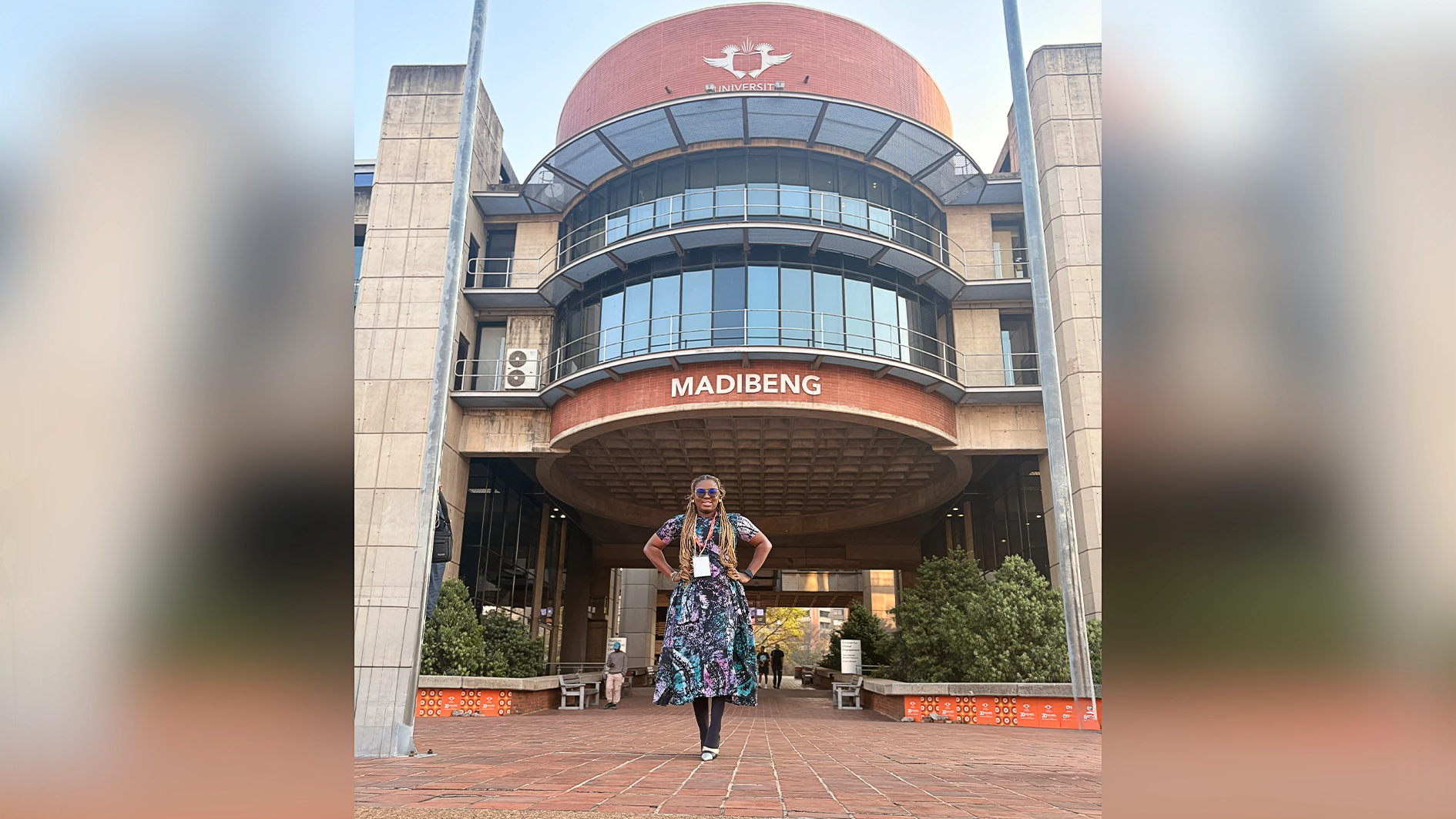
Tuesday and Wednesday were spent at the University of Johannesburg’s Auckland Park Kingsway Campus for a two-day summit at the Centre for Data and Digital Communications. Across seven panel sessions, fellows and South African peers deliberated on technology, media, and bilateral relations.
I spoke on a panel titled The Business of Constructive Journalism: Making Positive African Stories Newsworthy. We addressed the ongoing challenge of pitching nuanced, constructive narratives within a digital landscape obsessed with clickbait and virality. I argued that constructive journalism should not erase systemic problems, but rather actively incorporate solutions, innovation, and progress into the editorial agenda.
Keynote speaker and former High Commissioner of South Africa to Nigeria, H.E. Thami Msleku, noted, “It’s an honor and privilege to be African. God made us African; human beings made us Nigerian, Ghanaian, and the others.” Addressing xenophobia, he urged governments to tackle root economic causes rather than symptom management, prompting me to reflect on how often our perceptions are shaped by sensationalism rather than shared human experiences.
Preserving legacies and building alliances
On Thursday, we visited the Nelson Mandela Foundation. CEO Dr. Mbongiseni Buthelezi highlighted Mandela’s enduring legacy and touched on ongoing challenges surrounding land redistribution, proving that modern South Africa remains locked in essential, unfinished historical debates.
Earlier that day, at the Primedia office (operators of EWN TV, kfm 94.5, and CapeTalk), conversations centered on cross-border media collaboration to counter harmful xenophobic narratives with factual reporting.
Diplomatic realities at Nigeria House
On Friday, acting High Commissioner Temitope Ajayi hosted us at Nigeria House. Over home-cooked Nigerian meals, we discussed complex diplomatic realities. Ajayi revealed plans to table cross-border migration and xenophobia issues at the February 2027 African Union summit.
He highlighted economic imbalances, noting that over 150 South African businesses operate in Nigeria compared to roughly 10 Nigerian businesses in South Africa and detailed diplomatic repatriation efforts. The government and private organisations, including the Redeemed Christian Church of God, have assisted in evacuating over 1,600 Nigerians seeking to return home, illustrating a complex geopolitical reality beyond simplified headlines.
Cultural unwinding
Saturday offered leisure time at China Mall. We were amused to find the complex closing by 3 p.m. a sharp contrast to Nigeria’s late-night commercial hustle. Between calculating rand-to-naira conversions and exploring the markets, the day provided lighthearted camaraderie.
That evening, courtesy of Dr. Lakinbofa, we attended An Ode to Motown at the Joburg Theatre in Braamfontein, unwinding to classic soul hits a vibrant finish to an intense week.
Departing thoughts
My departure on Sunday involved a brief moment of tension when an immigration officer held my passport for extra verification. After a quiet review, she cleared me with a polite nod, and I boarded a smooth flight back to Lagos.
Reflecting on those nine days, the primary takeaway was the power of firsthand experience over assumed narrative. While xenophobia and social friction are real issues requiring serious journalistic scrutiny, they do not define the entirety of South Africa.
I encountered deep history, open hospitality, technological drive, and passionate discussions on African unity. Moving beyond the newsroom allowed me to contextualise the headlines, serving as a vital reminder that our job as journalists is not just to report what happens, but to see the world clearly enough to tell the whole story.