
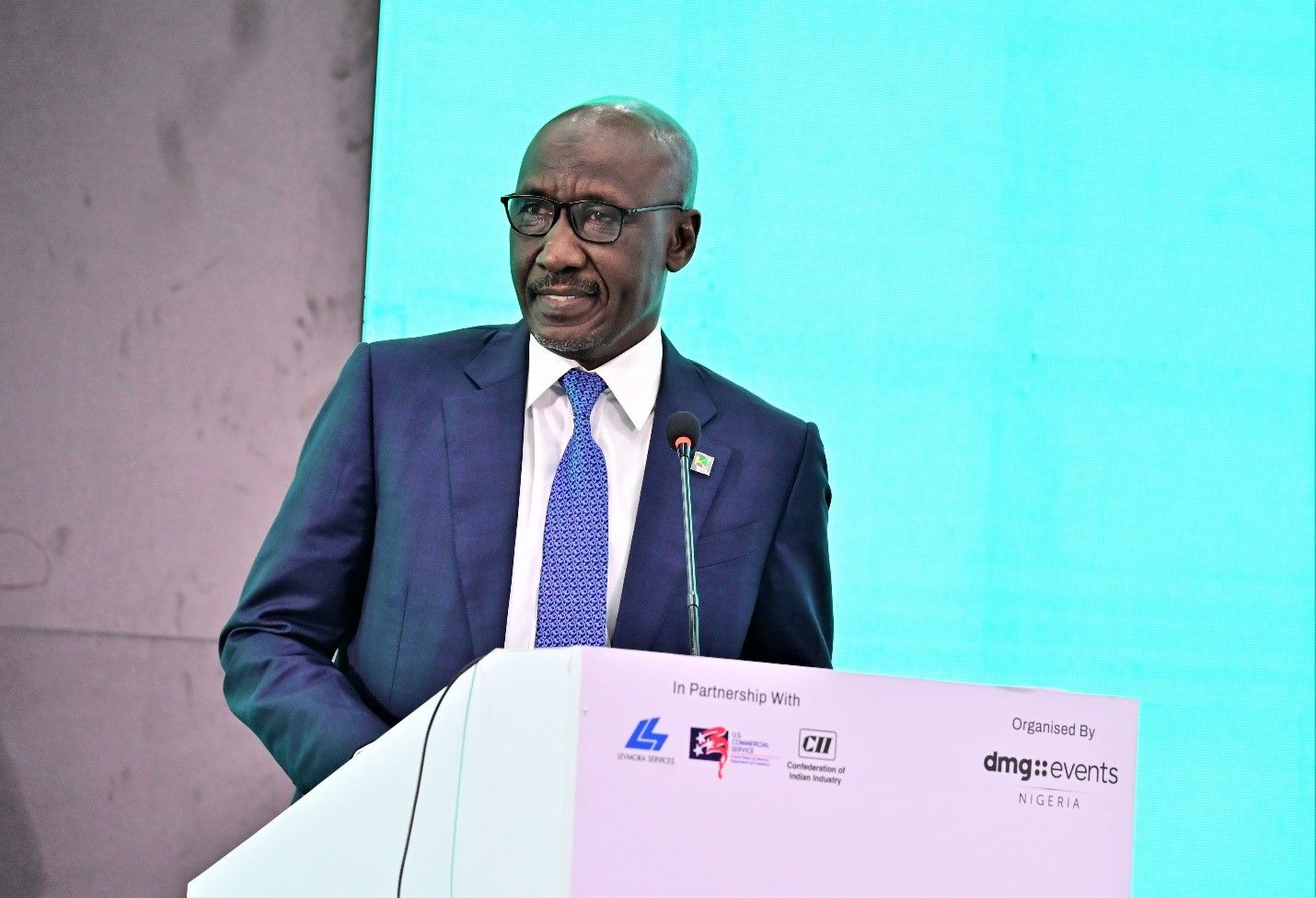
The Nigerian National Petroleum Company Limited (NNPC Ltd) has explained what it aims to achieve with the emergency $3billion crude oil repayment loan it secured.
NNPC Limited in a statement on Wednesday said it secured the crude-for-cash funding from African Export-Import (AFRIEXIM) Bank headquarters in Cairo, Egypt.
On Thursday, it disclosed what Nigerians need to know about the loan deal and how it will impact the country.
“The loan will assist NNPCL in settling taxes and royalties in advance. It will also equip the Federal Government with the necessary dollar liquidity to stabilize the Naira, with limited risk,” NNPC stated.
“With the possibility of enhancing dollar liquidity, which leads to a strengthened naira, the loan initiative will lead to a reduction in fuel costs.
“This is because if the naira appreciates in value, the cost of fuel will drop and further increases will be halted.”
NNPC Limited said that the crude repayment loan is not a crude swap or crude for refined products deal but an upfront cash loan against proceeds from a limited amount of future crude oil production.
Additionally, according to the statement released by NNPC, there are no sovereign guarantees tied to this loan.
The funds will be released in stages or tranches based on the specific needs and requirements of the Federal Government.
NNPC also stated that fuel subsidy is not coming back as a stronger naira will result in lower prices from the current level, making subsidies unnecessary even as the deregulation policy remains unchanged.
It further stated that the loan will be repaid against a fraction of proceeds from future crude oil production.
“It’s a strategic move that ensures a balance between the country’s current economic needs and future production capabilities,” NNPC said.
The signing, which took place at AFRIEXIM bank’s headquarters in Cairo, Egypt, will provide some immediate disbursement that will enable NNPC to support the FG in its ongoing fiscal and monetary policy reforms aimed at stabilizing the exchange rate market.
[ad unit=2]