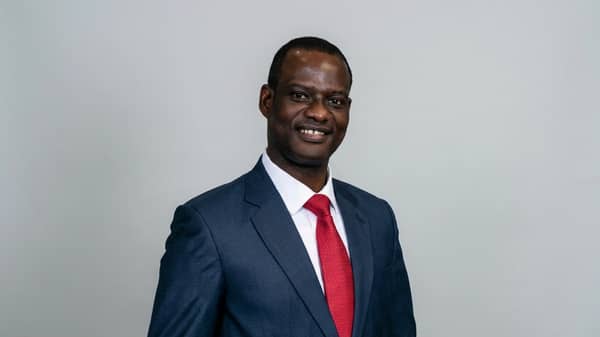
A coalition of 48 federal lawmakers, civil society organisations (CSOs), tax experts and legal practitioners has announced plans to hold high-level stakeholder engagements in Enugu and Kano states in January to monitor, support and strengthen the implementation of Nigeria’s new tax regime.
The meetings, scheduled for January 17 and 19 across the South-East and North-West geopolitical zones, are aimed at fostering national consensus, improving public understanding and enhancing institutional cooperation around the tax reforms, which the organisers described as critical to Nigeria’s economic recovery, fiscal sustainability and long-term prosperity.
Addressing journalists ahead of the engagements, the convener of the initiative and a member of the House of Representatives, Hon. Midala Usman, said the roundtable, themed “Door to Economic Revolution Comes with Temporary Discomfort but Sustainable Development and Gains,” would bring together lawmakers across party lines, CSOs, lawyers, professional bodies, youth groups and representatives of small businesses.
According to him, the objective is to ensure that the new tax regime is effectively implemented, transparently monitored and widely accepted by Nigerians.
“From January 1, 2026, the Federal Government will begin implementing new tax laws that provide 50 exemptions and reliefs targeting low-income earners, average taxpayers and small businesses,” Usman said.
He listed the laws as the Nigeria Tax Act, 2025 (NTA); the Nigeria Tax Administration Act, 2025 (NTAA); the Nigeria Revenue Service (Establishment) Act, 2025 (NRSEA); and the Joint Revenue Board (Establishment) Act, 2025 (JRBEA).
“Nigeria cannot achieve true economic renewal without fixing its revenue architecture. The new tax regime is not about punishing citizens; it is about building a fair, predictable and growth-driven economy where government can plan, invest and deliver. Our renewed economic glory lies in total implementation of these reforms and the collective buy-in of Nigerians. This is a national project, not a partisan agenda,” he added.
The lawmaker explained that Enugu and Kano were deliberately selected to reflect the diversity and inclusiveness of the reform process, stressing that sustainable tax reforms must be people-centred and regionally balanced.
He said discussions at the meetings would focus on tax fairness, protection of low-income earners, ease of compliance for small and medium-sized enterprises, harmonisation of multiple taxes, legal safeguards and accountability in the use of tax revenues. He added that the sessions would also provide platforms for citizens to express concerns and propose practical solutions to implementation challenges.
Speaking on behalf of participating CSOs, Mr Meliga Godwin said civil society involvement was essential to building trust between citizens and government.
“People are more willing to comply when they understand the system and trust that their taxes will be used responsibly. Our role is to ensure transparency, civic education and independent monitoring so that the reforms deliver real value to Nigerians,” he said.
Legal practitioners expected at the roundtable said they would examine the legal frameworks underpinning the tax regime and provide guidance on compliance, dispute resolution and the protection of taxpayers’ rights.
“A sound tax system must be anchored on the rule of law,” said Barrister A. Usman and Barrister Anderson Achilike. “We are committed to ensuring that implementation follows due process, respects existing laws and strengthens investor confidence.”
The coalition also distanced itself from what it described as deliberate misinformation and politically motivated attempts to undermine the reforms, insisting that constructive engagement, rather than incitement, remains the pathway to national progress.
“Economic reforms require patience, dialogue and sacrifice,” the lawmakers said. “We call on Nigerians to engage peacefully, ask questions and work with relevant authorities to make this tax regime a success for all.”
At the end of the Enugu and Kano meetings, stakeholders are expected to issue a communiqué outlining key recommendations, monitoring mechanisms and timelines for sustained engagement with relevant government agencies.
The coalition reaffirmed its commitment to supporting policies that strengthen Nigeria’s economy, reduce dependence on borrowing, expand social investment and secure a more prosperous future for coming generations.