Unikinon chloroquine pills are seen in packaging at the Uni-pharma pharmaceutical company in a northern suburb of Athens, on June 5, 2020, where chloroquine pills are produced. - The company was able to activate an old license to manufacture this controversial drug, which in the 1990s was exported to Africa for the treatment of malaria. Despite the controversy, production and trials of chloroquine are carried on. The scientific community and public opinion are reeling from the withdrawal of the disputed study in the journal The Lancet on the use of chloroquine. But in Greece, where the manufacture of this drug resumed during the pandemic, the controversy is almost non-existent. (Photo by Louisa GOULIAMAKI / AFP)
Unikinon chloroquine pills are seen in packaging at the Uni-pharma pharmaceutical company in a northern suburb of Athens, on June 5, 2020, where chloroquine pills are produced. - The company was able to activate an old license to manufacture this controversial drug, which in the 1990s was exported to Africa for the treatment of malaria. Despite the controversy, production and trials of chloroquine are carried on. The scientific community and public opinion are reeling from the withdrawal of the disputed study in the journal The Lancet on the use of chloroquine. But in Greece, where the manufacture of this drug resumed during the pandemic, the controversy is almost non-existent. (Photo by Louisa GOULIAMAKI / AFP)
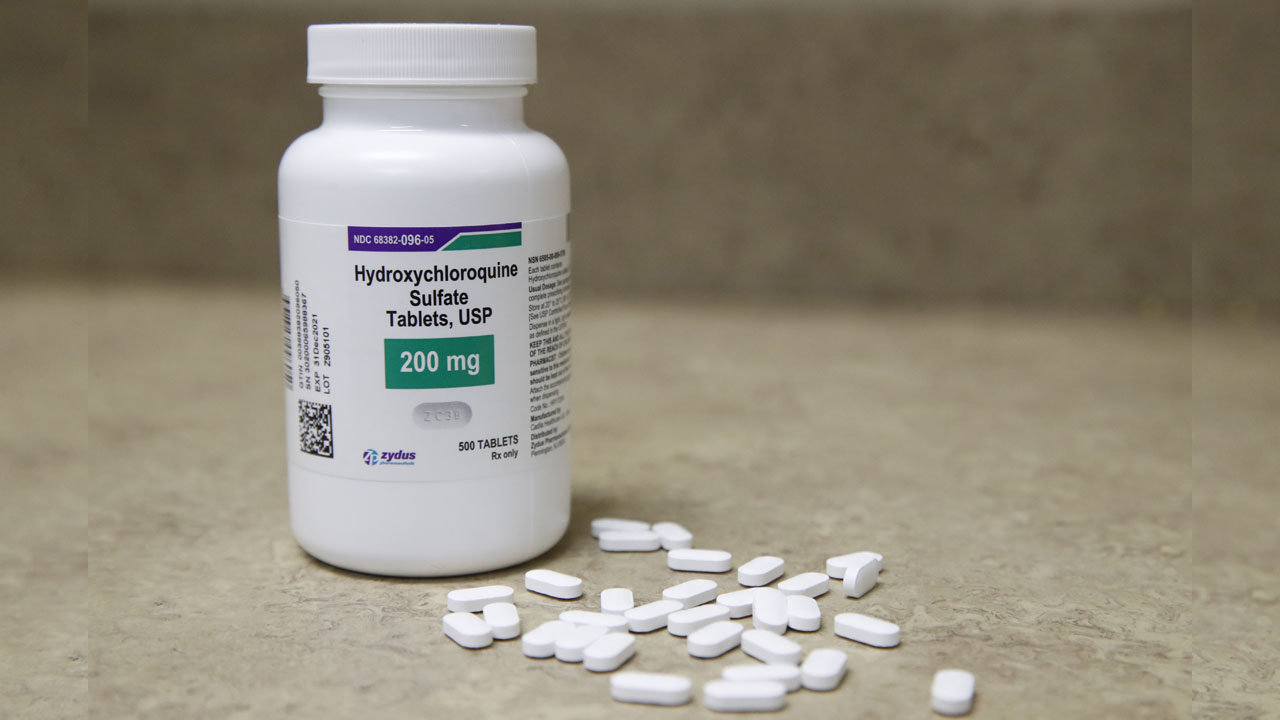
(FILES) In this file photo taken on May 20, 2020 a bottle and pills of Hydroxychloroquine sit on a counter at Rock Canyon Pharmacy in Provo, Utah. – The World Health Organization said on May 25, 2020 that it had “temporarily” suspended clinical trials of hydroxychloriquine as a potential treatment for COVID-19 being carried out across a range of countries as a precautionary measure. (Photo by GEORGE FREY / AFP)
The Federal Government said it will reduce the importation of drugs in the country from 60 to 40 percent in order to promote the local manufacturing of drugs.
Special Adviser to the President on Health, Salma Anas-Ibrahim disclosed this at a workshop in Abuja.
The workshop was organised to strengthen the World Health Organisation (WHO) Nigeria’s cooperation strategy.
According to Anas-Ibrahim, it is part of President Bola Ahmed Tinubu’s priority agenda to bridge the gap in the health sector in Nigeria.
Other priority areas include increasing and improving access to equal healthcare services, and national health insurance for at least 40% of the country’s population to ensure all citizens including the vulnerable groups benefit.
In 2022 the Federal Government said that 70 percent of medicines consumed in the country are imported. This led to the partnership with the government of Cuba to reduce importation by 20 percent in a few years.
[ad unit=2]