
The air raids put an end to a two-year ceasefire between the Turkish government and the PKK, severely endangering the already fragile peace process started in 2012 in an attempt to end a bloody conflict that has killed more than 40,000 people over 30 years.
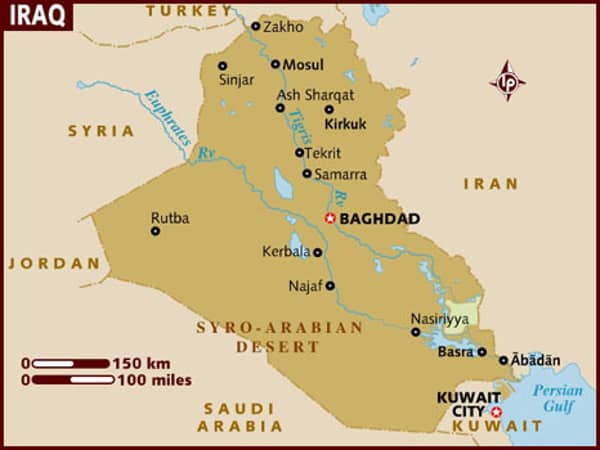
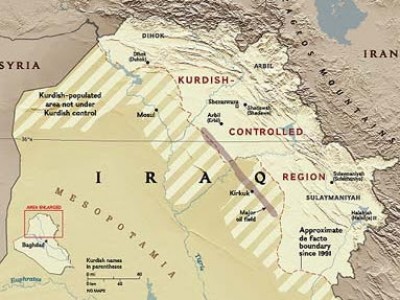
According to the office of the acting prime minister, Ahmet Davutoğlu, the bombs hit several PKK targets in northern Iraq, including shelters, bunkers, storage facilities and the Qandil mountains, where the PKK’s high command is based.
Turkish fighter jets also targeted Islamic State positions in Syria for the second night in a row, the statement said. In addition to the air raids, the Turkish military carried out artillery attacks against Isis in Syria and the PKK in northern Iraq.
“Strikes were carried out on targets of the Daesh (Isis) terrorist group in Syria and the PKK terrorist group in northern Iraq,” the prime minister’s office said, adding that all anti-terrorism operations were “carried out indiscriminately against all terrorist groups”.
In a major tactical shift this week, Turkey decided to take a more active role in the US-led coalition fighting against Isis, agreeing to open its airbases to allied forces as well as carrying out its own air raids. It is the first time Turkish fighter jets have entered Syrian airspace to attack Isis militants on Syrian soil. Previous air raids were conducted from the Turkish side of the border, according to the Turkish government.

