Organisers of the Niger Delta Blue Economy Investment Summit have announced a partnership with Caverton Marine aimed at improving safety standards and promoting environmentally sustainable water transport across the Niger Delta.
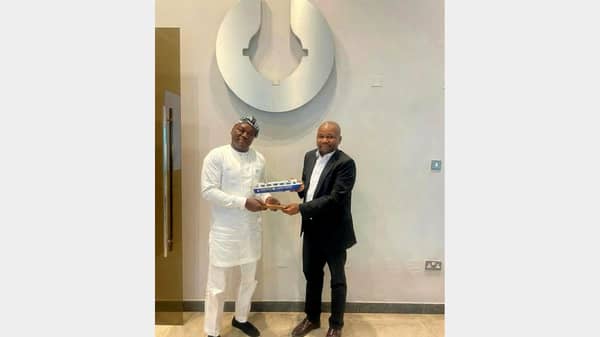
The collaboration followed a high-level engagement between the summit’s organising committee and Caverton Marine in Lagos. According to organisers, the partnership is intended to address longstanding safety concerns on inland waterways while encouraging the adoption of modern passenger vessels with lower environmental impact.
Caverton Marine, an indigenous boat manufacturing and marine logistics firm, has been involved in water transport projects in Lagos, including ferry services delivered through public-private partnerships with the state government. Summit organisers said those experiences provided a reference point for discussions on how similar models could be adapted for the Niger Delta, where waterways remain a primary mode of transportation.
Speaking after the meeting, Cedric Ogwu, a member of the summit’s organising committee, said the engagement focused on practical solutions to persistent challenges in regional water transport. He noted that improving safety, reliability and passenger confidence on waterways was critical to economic activity in riverine communities.
Ogwu added that the summit would provide a platform for governments, investors and operators to examine how infrastructure investment and private-sector expertise could help reduce accidents and support sustainable livelihoods in coastal areas.
Responding on behalf of Caverton, the Managing Director of Caverton Offshore Group, Bode Makanjuola, described the summit as a timely forum for advancing conversations around marine safety and efficiency. He said the company had ongoing engagements with some states in the Niger Delta and saw scope for expanded collaboration.
Makanjuola disclosed that Caverton now manufactures passenger vessels built to international safety standards, including electric ferries designed to reduce emissions and long-term operating costs. He said many waterway accidents could be traced to poor-quality vessels and inadequate maintenance, arguing that certified boats and proper regulation would significantly lower risks.
Also commenting, a co-convener of the summit, Dr Uche Igwe, said the introduction of electric ferries aligns with global energy transition efforts and could position the Niger Delta to attract climate-focused investment. He noted that cleaner marine transport has implications not only for emissions reduction but also for public health and environmental protection in coastal communities.
The Niger Delta Blue Economy Investment Summit is scheduled to hold from 9 to 11 February at Four Points by Sheraton in Ikot Ekpene, Akwa Ibom State. According to organisers, the event will bring together policymakers, investors, industry leaders and development partners to discuss investment opportunities linked to the region’s marine resources.
Attendance by international and regional speakers has been confirmed, including former Tunisian prime minister Mehdi Jomaa, organisers said.