Uloho’s biography is a template for social history for most Nigerians who were first and second generation educated between 1930-1965. His book captures the spirit and the almost indefinable nuances of what it is to live in a rural community and then going to school. It is a testimony of just how brave our fathers were in sending us to school. It is also demonstrated an incredible belief that the acquisition for knowledge was an essential foundation for progress. It might have helped that the English administration and district officers were around and the population held them in high esteem. If this English man can be so respected, Uloho’s father thought, let my son also go to school so that he too may be respected. With respect comes progress and political power.
Uloho’s journey is the journey all pioneers went through- up to the very unscientific method of admission to primary school, class one. You gained admission if your right hand stretched over your head was long enough to reach your left ear. If you were small it is unlikely you can go to school at 5 or 6, because then your hand may not be long enough to go over your head to touch your ear. Many started school at around 8 or 9 years, and even then, many who went to secondary school were in reality much older than 13/14 you ought to be when you started secondary school. Many finished secondary school at 20 or even older.
It is only of late that I found out that most of my classmates were older than myself, when they started celebrating their age at 80 years. It is possible for a fag to be in class one at 18 in a secondary school. The prefect he served was also 18 and in class V. It happened to me!!! My fag and I celebrated our 70th birthday in the same year!!! Till that celebration I thought I was five years older than him.
Uloho’s book deals extensively with the extended family system; the intricacies of growing in a polygamous family, the lack of actual boundaries in these relationships, even so the closeness of male siblings to their mothers and the early cultivation of responsibility the eldest son acquires at very early age. Hardly had Uloho found a job in Ibadan before he took in two of his siblings sent to him by his parents. The family was a microcosm of a welfare state, everybody chipped in to make everybody’s life more bearable on the hard road of progress.
Education remains the seminal force of our life in the 1940’s – 60’s. It provided our roadmap and it never failed us. That is why the neglect of education in today’s Nigeria is worse than lamentable. This is why our leaders cannot lead our children and remain relatively uneducated, unemployed and veer towards crime.
Uloho’s journey through education provides a missed nostalgia- getting a job without a godfather in Ibadan, going to school in the College of Technology in Enugu, thereafter going on scholarship to London, promotion without protestation, employment without bias. The book gives us a glimpse into what a super civil service we had. You can go to United Kingdom on scholarship under Western Nigeria Government in 1958, return to work in Mid-West Nigeria in 1962 and be posted to Benin with no hassle of transfer documents- a straight easy fit to a system that was good and functional with adequate perquisite- a senior civil servant with a Peugeot car, single, desirable, available- a Warri boy full of that peculiar braggadocio and swagger the essence of manhood.
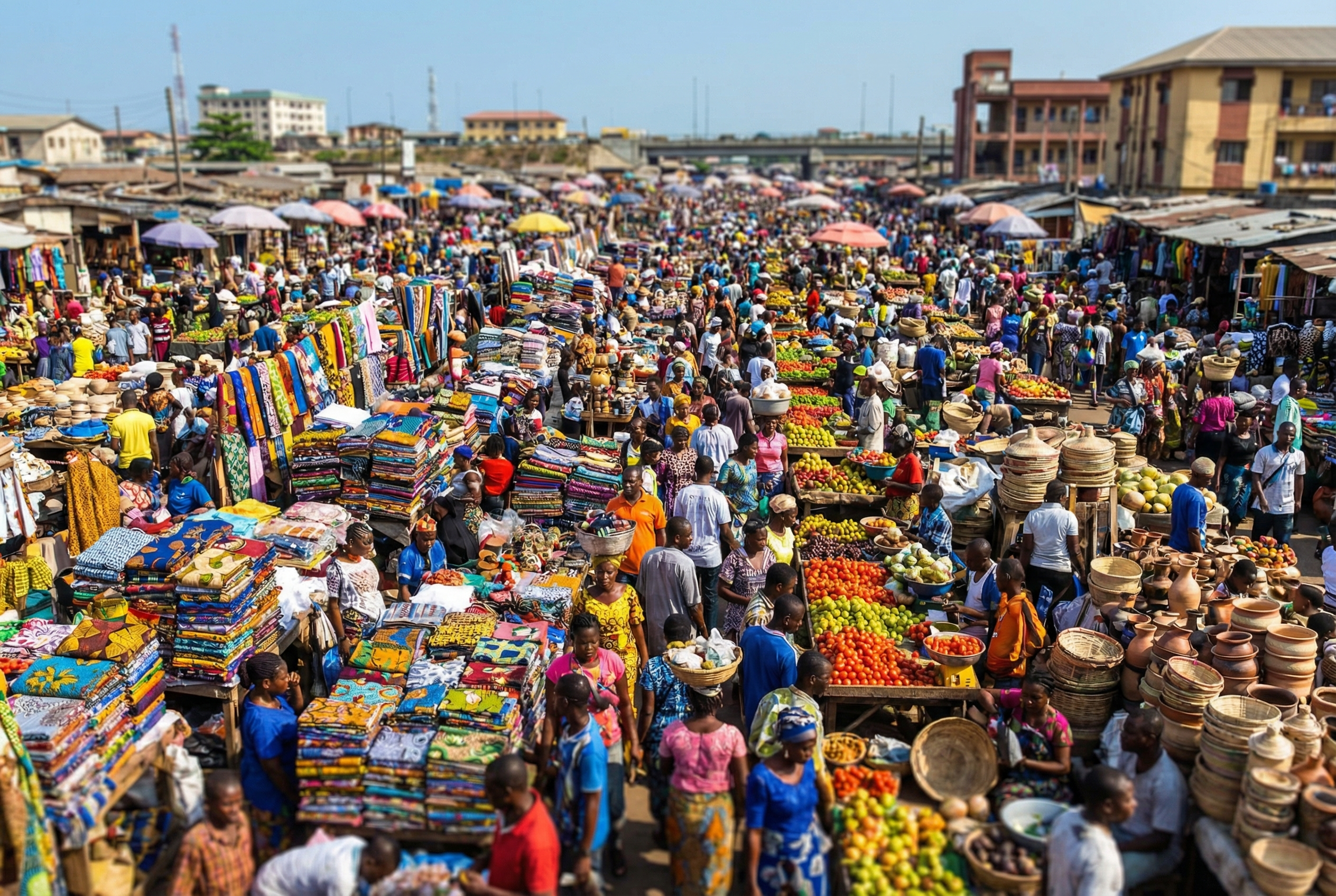
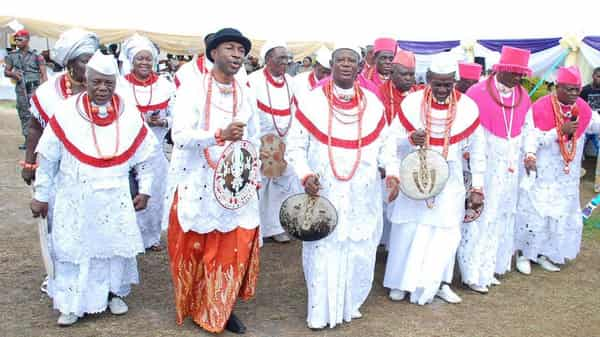
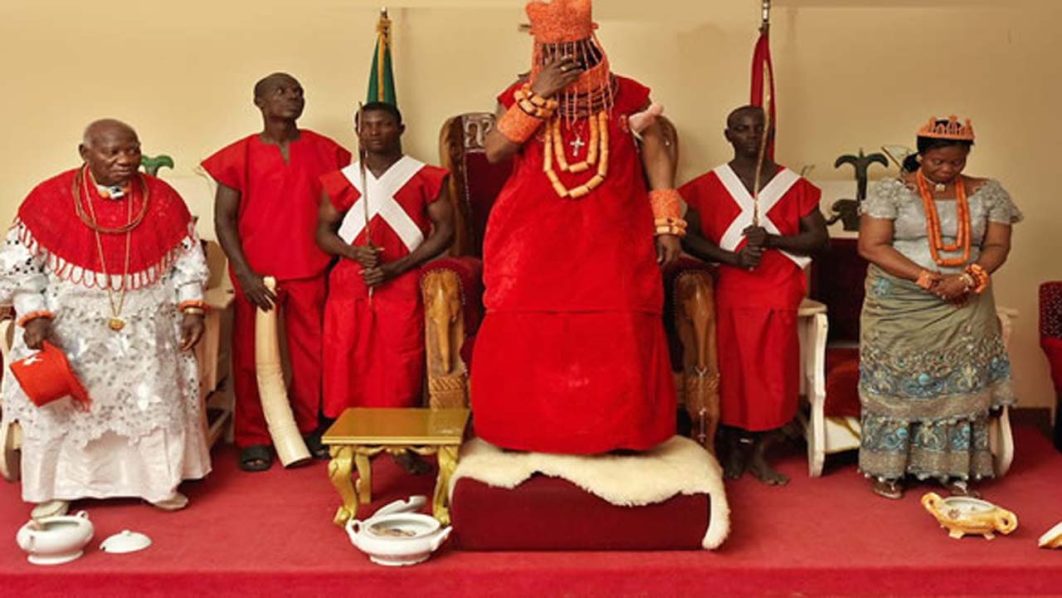
Through all this, Uloho has treated the complexity of Urhobo culture and custom in all its vivid colour and in a language that speaks to the reader such that he envisions the dreams, the dancing, the colours, the pathos and the vibrancy. All these amidst the indelible lessons he learnt at Government College, Ughelli which produced most of his lifelong friends. The school was good to him and he was good to the school in all the improvements he and other old boys engineered for the school.
That spirit of philanthropy he transferred into humanitarian work with Rotary International, thus underlining his basic goodness in the service of other men. It was not all success, he unashamedly failed in farming and was unable to keep hold of a profitable franchise from Shell for his Petrol Station and had his taste of Urhobo wayo when a friend refused to pay his commission (person when wise pass you, when he succeeds you grumble, isobo wayo).
To be continued tomorrow
Cole, Ph.D,OFR, is one time Nigerian Ambassador to Brazil.