Cheer if you must but be warned – we are living in perilous times. Tension runs deep, fear is widespread, and the international order, once grounded in diplomacy, restraint, and mutual respect, is rapidly collapsing. A single misstep, an error in judgment, or a moment of hubris could plunge our fragile world into chaos. Yet many cheer as though we are spectators at a stadium, not witnesses on the brink of catastrophe.
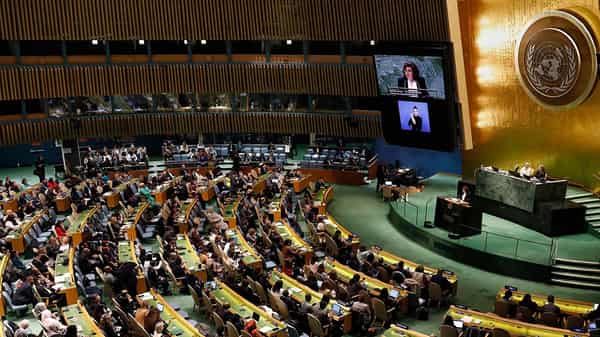
The post-World War II international system, anchored by the United Nations, was designed to prevent the very horrors we now flirt with. Today, that system is in tatters. Treaties are violated with impunity. The UN is mocked, sidelined, and rendered ineffective – its resolutions routinely dismissed by the most powerful. What was once a forum for peace has degenerated into a theatre of power, where might makes right and outrage is impotent.
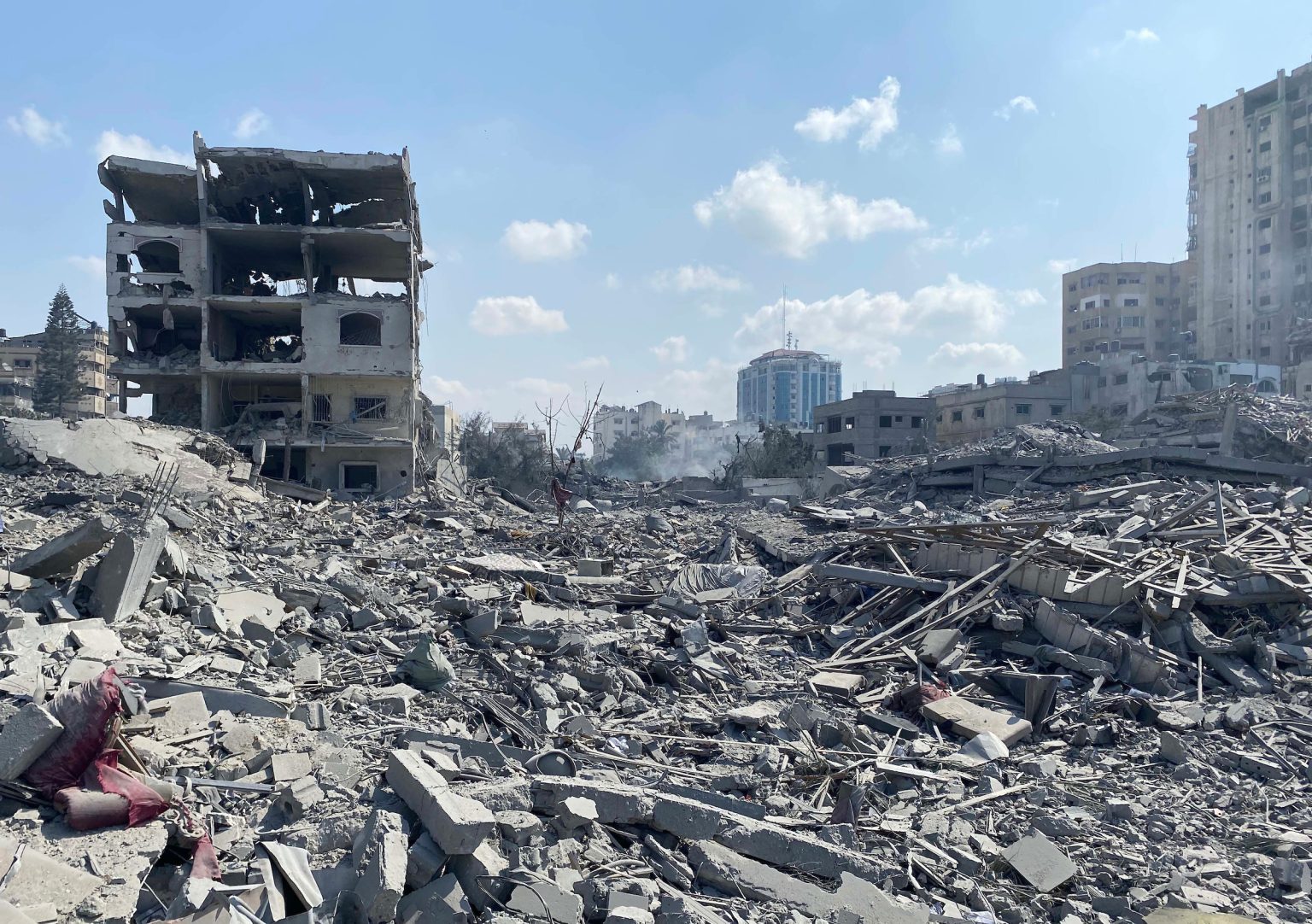
Red lines – once clear boundaries meant to avert global conflict – are now crossed with alarming regularity and without consequence. Military invasions occur without provocation. Sovereign nations are violated, civilians bombarded, and international law openly defied. Ethnic cleansing and territorial conquest are no longer aberrations; they are being normalised. Worse still, these violations are not hidden; they are paraded with arrogance. And the world cheers.
We forget injustice in any form fuels enmity. The silent complicity of today becomes the generational conflict of tomorrow. Grievances left unaddressed do not fade; they fester. Peace built on injustice is no peace at all. And leadership appears to be in retreat.
Where are the voices that once stood firm against tyranny and aggression? Where are the statesmen and women who championed justice without fear or favour? Their silence is deafening. Many have grown timid, bound by economic dependencies, political alliances, or fear of reprisal. The few who dare to speak are dismissed, demonised, or isolated. The international community, once a bulwark against impunity, is now fractured and ineffectual. Meanwhile, impunity thrives and the cost of silence grows.
Perhaps the most terrifying trend is the normalisation of nuclear rhetoric. What were once last-resort deterrents are now casually discussed, even celebrated. Even worse, nuclear sites – long considered untouchable – are now targets of aggression. The consequences of such recklessness are incalculable. Radioactive fallout has no borders. The long-term environmental and humanitarian costs could cripple civilisation for generations.
Nuclear rearmament is also gaining momentum. Nations once committed to disarmament now speak openly of integrating nuclear weapons into their military doctrines. Western Europe, once a champion of non-proliferation, is contemplating nuclear sharing. This revives a dangerous arms race – one where the line between deterrence and provocation grows dangerously thin.
As more weapons circulate, the likelihood increases that they could fall into the hands of non-state actors – groups that answer to no law, fear no death, and seek no accountability. A single rogue element armed with a nuclear device could unleash devastation on a scale we cannot contain.
Modern warfare is now broadcast, liked, and shared. Precision strikes, drone warfare, and bunker-busting bombs are packaged as clean and controlled. But they are not. These so-called smart weapons devastate the environment –triggering seismic shocks, contaminating groundwater, poisoning the air, and destroying biodiversity. The earth is not a passive backdrop to war; it is a living system under siege.
We have glamourised destruction. We have romanticised brute force. We forget that every bomb dropped reverberates beyond its target – damaging the planet we all share. The applause for destruction today may echo as cries of despair tomorrow.
Adding to the danger is the growing hypocrisy among global powers. Allies are allowed to act lawlessly, while adversaries are condemned for the same behaviour. This double standard erodes the moral authority of global leadership and emboldens tyrants. Rules must be consistent to be respected. Selective enforcement turns international law into a tool of manipulation rather than justice, and sets the world on fire with resentment.
Here is a plea for wisdom. The world stands at a crossroads. The institutions meant to safeguard peace are weakening. The weapons of the past, once shelved in the hope of a safer future, are being dusted off and rebranded. Fear now drives policy, replacing cooperation with confrontation.
All it may take is a single miscalculation – a cyber attack gone wrong, a stray missile, a tactical nuke disguised as strategy –to ignite a catastrophe no one can contain. The earth, already burdened by climate change, may not withstand the devastation of radioactive fallout and ecological collapse.
We must ask ourselves: What exactly are we cheering for?
We must wake up before it’s too late. We must choose courage over complicity, restraint over revenge, truth over tribalism. We must demand our leaders speak up – clearly, boldly, and consistently – against all forms of aggression and injustice, no matter who commits them. Because the cheers of today, if left unchecked, will become the sorrows of tomorrow – marked by grief, regret, and irreparable loss. Let us not clap ourselves into oblivion. Let us rise before reason is buried beneath rubble. Let us remember: Peace is not merely the absence of war, but the presence of justice, responsibility, and restraint.
Dr Okoroafor wrote from the UK.