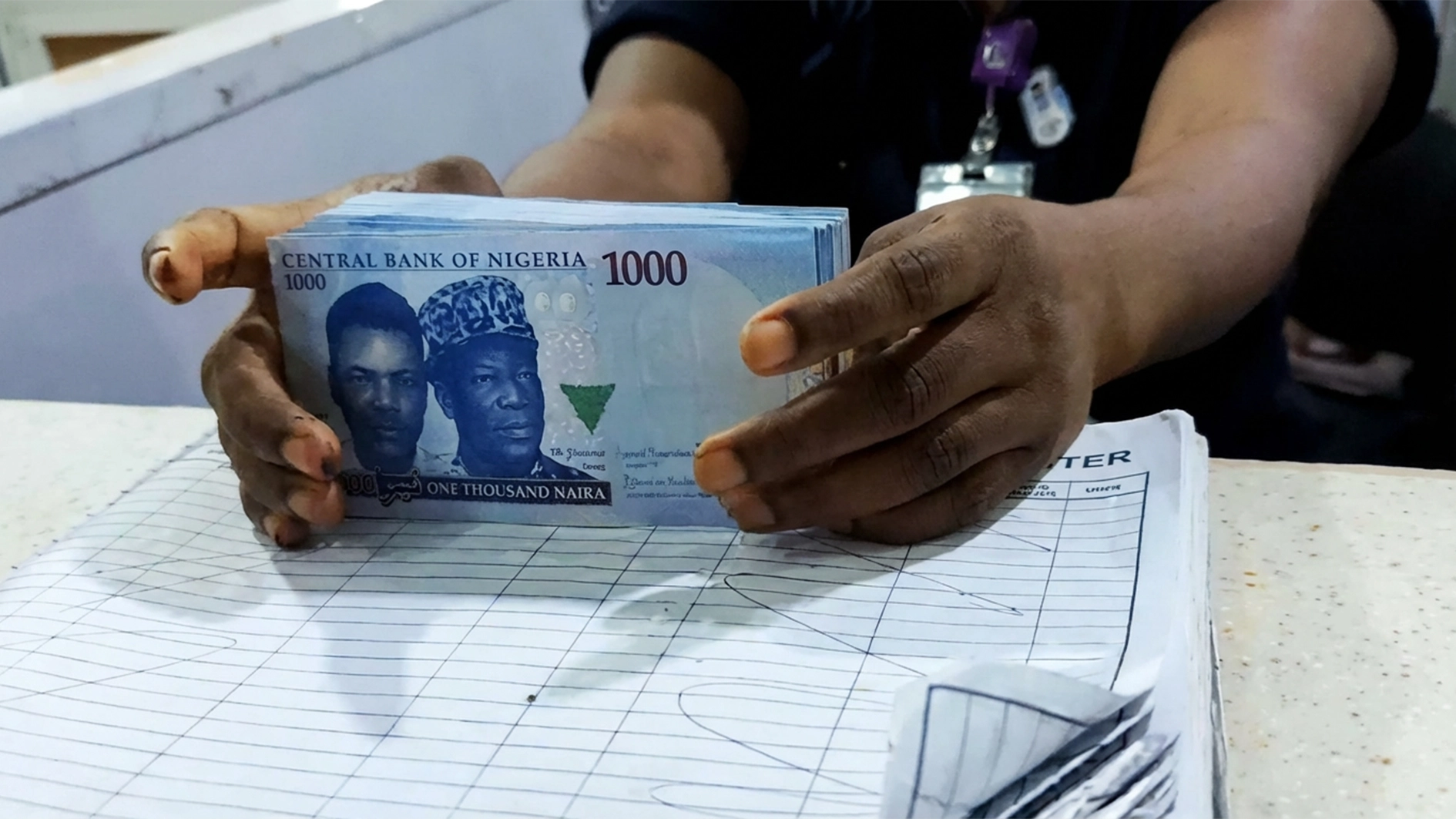
IN today’s digital world, data has become the lifeblood of marketing; it is at the heart of how we communicate. Data has become a really important benchmark in all forms of communication. Be it personal chats, work-related talks, or even organisational updates, data shapes how we connect, guides our choices, and helps us gauge our successes.
Without robust data strategies, even the most creative ideas risk missing the mark. Data gives us a clear way to assess how well our communication is working, spot where we could do better, and fine-tune our messages.
In the marketing and communications industry, data is at a critical inflexion point. Nigeria, with a booming online population—with over 100 million internet users—and increasing adoption of digital technologies, is no exception. The country’s vibrant marketing landscape is really evolving, and data is quickly becoming the new gold standard (currency) for marketing.
For years, campaigns have leaned heavily on intuition, market familiarity, and cultural storytelling, which are all powerful assets. But as audiences become more fragmented across digital, mobile, and physical touch points, relying solely on gut instinct is risky.
In the global marketing arena, data is the currency that determines who wins and who fades into the noise. From hyper-targeted campaigns in Silicon Valley to AI-powered trend forecasts in London, brands are learning that creativity without data is like a ship without a compass, moving but without direction.
Data has played a very integral role in modern marketing, and it is here to stay. It provides insights into consumer behaviour, preferences, and needs. As time evolves, it evolves with time. Globally, marketers through data are harnessing: Customer Segmentation to tailor experiences for niche audiences; Predictive
Analytics to anticipate buying behaviour before customers act; Social Listening to track sentiment and brand health in real time
In Nigeria, these tools have the potential to transform advertising return on investment (ROI), reduce waste, and improve brand loyalty. Nigeria is perfectly positioned for data-driven growth with a goldmine of raw marketing data, and we must further explore this field, paying keen attention to this and rightfully interpreting data that would serve as a functional practice for brands and consumerism.
Data will not replace creativity in Nigerian marketing; it will supercharge it. Storytelling remains the industry’s heartbeat, but in a market as dynamic as Nigeria’s, data is the pulse monitor. The brands that master both will not only capture attention, they will capture loyalty.
As Nigeria keeps moving towards digital tech, the importance of data-driven marketing will continue to grow. The country’s marketing future belongs to those who can blend culture, creativity, and cold, hard data into campaigns that move hearts and shift market share. Marketers who can tap into the potential of data will have a solid edge in this ever-changing market.
Adenuga is a Marketing Analyst graduate student at DePaul University, Chicago, United States