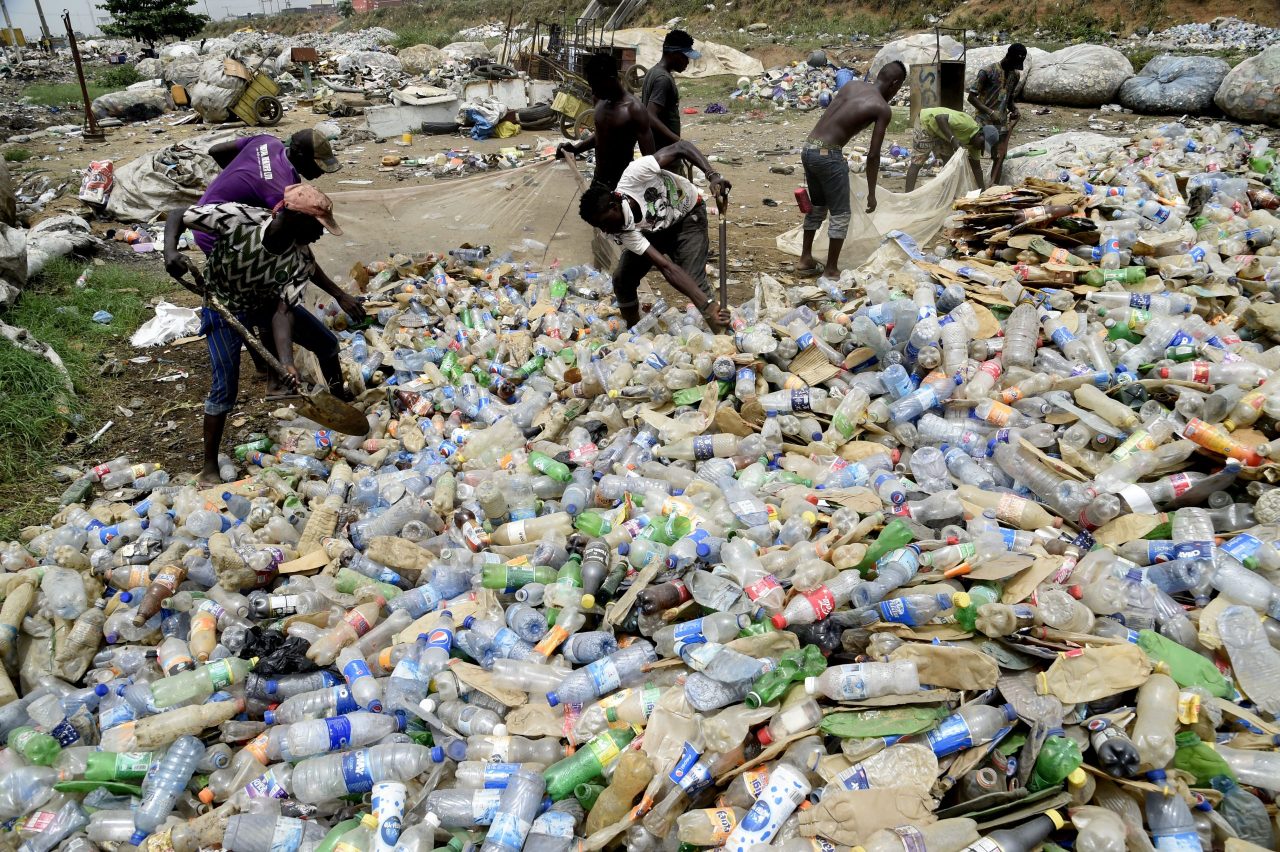
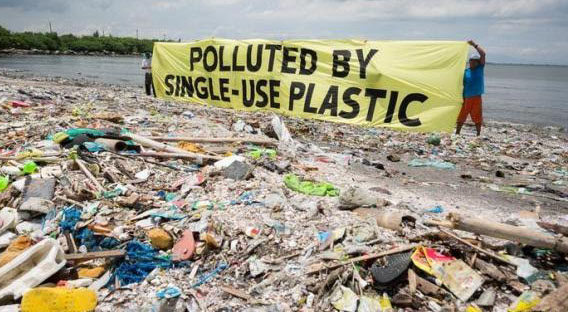
Member of the Global Alliance for Incinerator Alternatives (GAIA) in Nigeria have expressed concern over the recent suspension of green tax on Single-Use Plastics (SUP) by the Federal Government.
Reacting to the recent Federal Government’s suspension of the green tax, which imposes an excise tax on SUP, including containers and bottles, the group cautioned that such a move would make Nigeria a dumping ground for plastic waste products.
The suspension was in line with the current administration’s commitment to create a business-friendly environment, as part of the government’s efforts to address the growing concern over the impact of plastic waste on the ecosystem.
According to the statement signed by the Communication Officer, Environmental Rights Action/ Friends of the Earth Nigeria (ERA/FoEN), Elvira Jordan, the Executive Director of ERA/FoEN, Chima Williams, said the development would only bring to fruition the ominous prediction that plastic products in the ocean will surpass the number of fishes in the water by 2040.
He said, the Federal Government is supposed to enact policies that will put an end to the invasion of plastic on oceans and water bodies, not promoting policies and laws that increase the production of more plastic.
He, however, called on the government to deliberately programme itself into a zero-waste society, where no waste is generated, or all waste generated are seen as resources.
On his part, the Executive Director, Sustainable Research and Action for Environmental Development (SRADeV), Dr. Leslie Adogame, said an outright ban is the solution to the production of plastic waste in the country.
He affirmed that only an outright ban and tax approach with a robust Extended Producer Responsibility programme would help to arrest plastic pollution.
The Executive Director, Centre for Earth Works (CFEW), Benson Dotun Fasanya, added that the suspension of green tax on plastics is an open door to a plastic tsunami in Nigeria.
Also speaking, ERA/ FoEN Project Officer, Waste Management, Melody Enyinnaya, pointed out that green taxes are eco-environmental tax, foisted on activities that pollute the environment, as SUP have become a major pollutant of the environment.
She said green tax on SUPs incorporates the negative expanse of the adverse effects of SUPs on the environment and the idea surrounding green taxes is to increase production costs for corporations, thereby bringing about higher prices on plastics, which will discourage consumers from purchasing them, further reducing their pollution rate on the environment.
Enyinnaya further advised the government to develop legislative instruments like a withdrawal policy that will hold these corporations accountable for their product and waste.