Jubaili Bros Engineering Nigeria began in the early 1990s as a modest diesel‑generator supplier, plugging gaps in a nation plagued by erratic power. Over three decades the company has shed its humble roots, emerging as a driving force behind cleaner energy solutions across the continent. Today it operates in eleven countries, employs more than 1,500 people, and backs its market presence with four manufacturing plants scattered across Africa and the Middle East. This broad footprint equips Jubaili Bros with the technical depth and regional insight needed to navigate Nigeria’s volatile energy landscape, while its engineers continually refine hybrid and solar‑driven systems that promise a steadier, greener grid.
The firm’s momentum has not escaped industry notice. This recognition as one of Nigeria’s Most Transformative Companies is a distinction that signals a deliberate shift toward sustainability and a talent for weaving together high‑impact alliances. By teaming up with the electric‑vehicle platform known as EV24 Africa and with Illigo, Jubaili Bros helped launch the nation’s first fully integrated electric‑mobility ecosystem, while a November 2025 collaboration with Perkins introduced a suite of large‑scale, low‑carbon power generation units. These moves underscore the company’s overarching mission to embed eco‑friendly practices throughout the value chain, from high‑efficiency generators that sip less fuel to solar‑hybrid installations that trim emissions without sacrificing reliability, all framed as essential power solutions for a nation hungry for steady energy.
What sets Jubaili Bros apart is its relentless focus on power solutions that are both pragmatic and visionary. Engineers on the ground speak of “quiet revolutions” – modular solar arrays that can be assembled in days, hybrid systems that switch seamlessly between diesel and renewables when the grid falters, and battery storage that smooths peaks in demand. These are not merely products; they are lifelines for hospitals, schools and small businesses that have long endured erratic supply. By coupling cutting‑edge technology with a deep understanding of local challenges, the company is turning the promise of clean energy into everyday reality, and in doing so it is redefining what reliable power means for millions of Nigerians. The firm is investing in research and development to further optimise its hybrid systems and to explore emerging technologies such as green hydrogen, aiming to create a diversified portfolio of power solutions that can adapt to Nigeria’s evolving energy landscape and ensure communities across the country have access to reliable, affordable and sustainable electricity for years to come.
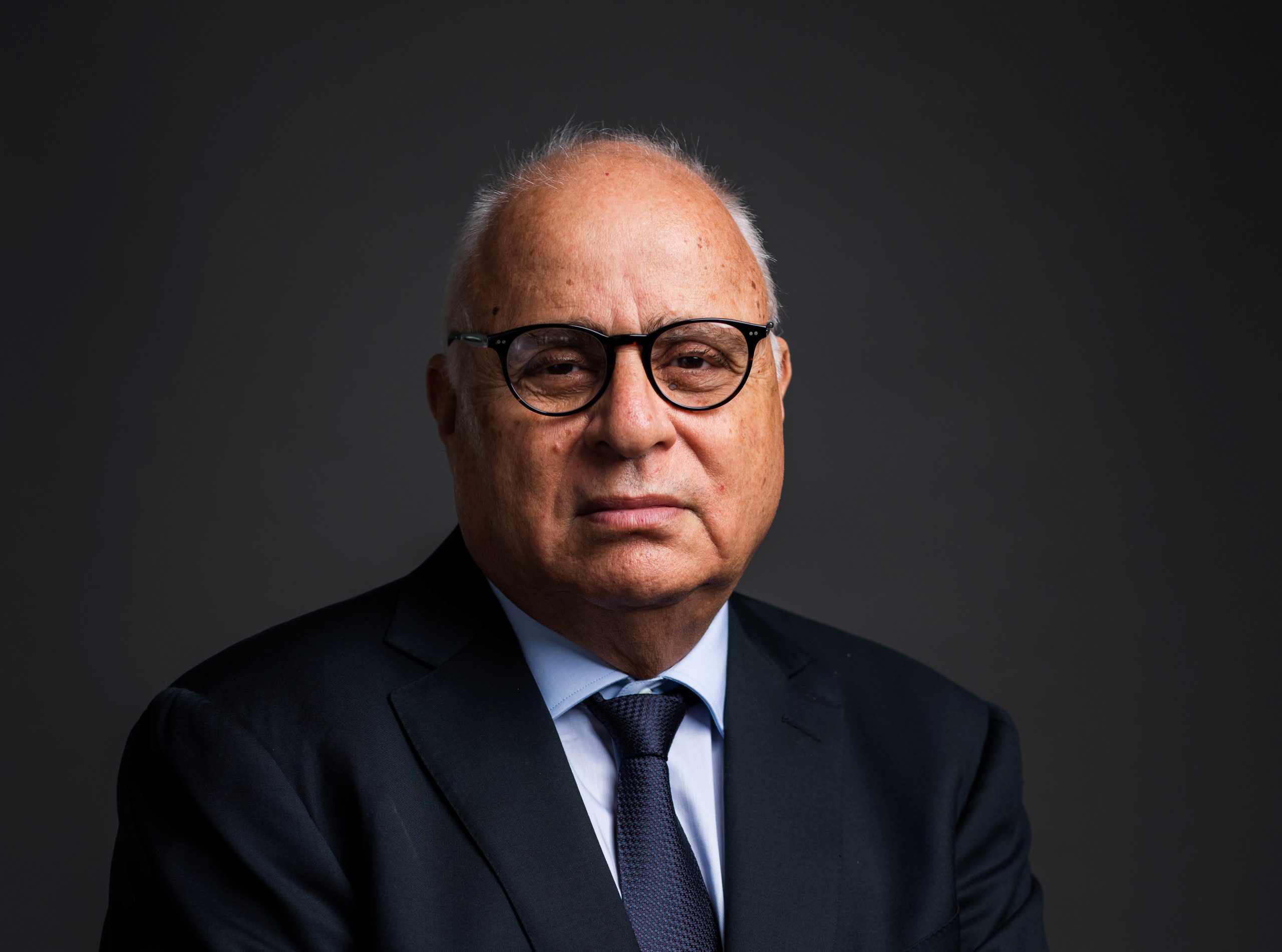
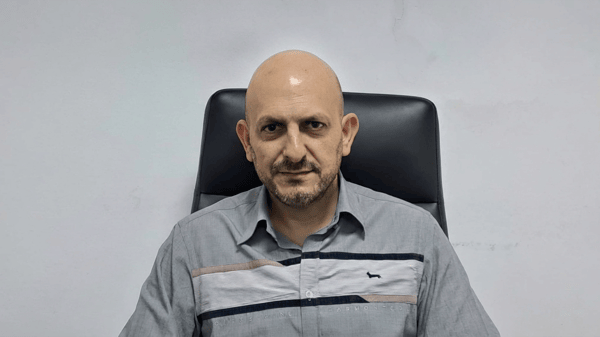
In this interview sparked by The Guardian’s recognition, Nabil Suleiman, General Manager of Jubaili Bros Engineering Nigeria, opened up about the company’s drive toward greener operations, the ripple effects of the latest regulatory overhaul and the roadmap for a broader clean‑energy future across the nation.
What drives Jubaili Bros’ commitment to sustainability, and how do you incorporate eco-friendly practices into your operations?
At Jubaili Bros, sustainability is not an agenda; it is a responsibility. Our commitment is driven by the belief that reliable power must also be clean, efficient, and future-focused. We integrate eco-friendly practices across our operations through cleaner energy technologies, high-efficiency power systems, solar-hybrid solutions, and product lines that reduce fuel consumption and emissions. Across our facilities, we follow strict waste-reduction processes, promote recycling, and continuously train our teams to adopt global environmental best practices. Our goal is simple: deliver power solutions that support Africa’s growth while protecting communities and the environment.
Can you discuss the impact of the Electricity Act of 2023 on Jubaili Bros’ solar energy projects and Nigeria’s renewable energy landscape?
The Electricity Act of 2023 has been a positive catalyst for the renewable energy sector. It decentralises the electricity market and empowers states, private developers, and independent players to accelerate clean-energy deployment. For Jubaili Bros, the Act has strengthened our ability to scale solar projects, especially mini-grids, hybrid systems, and distributed generation solutions. The clearer regulatory framework has encouraged investment, accelerated approvals, and increased customer confidence in transitioning to solar. Overall, the Act positions Nigeria for a more competitive, diversified, and sustainable power landscape, and we are fully aligned to maximise its opportunities.
How does Jubaili Bros tailor its solar solutions to meet the unique energy needs of residential, commercial, and industrial clients?
Every client’s energy profile is different, and our approach is built on customisation. Residential clients require affordability, compact design, and seamless backup. We offer scalable rooftop systems, hybrid inverters, and storage solutions designed for reliability and ease of use. Commercial clients prioritise operational continuity and cost control. We design hybrid PV-diesel systems, energy-management integrations, and rooftop or ground-mount systems optimised for ROI and reduced operating expenses. Industrial clients demand high-capacity, mission-critical systems. Our engineering teams design tailored megawatt-scale plants, integrating advanced controls, monitoring, and hybridisation to ensure uninterrupted production. This tailored engineering approach has helped thousands of Nigerian businesses reduce energy costs while improving efficiency.
What role do strategic partnerships play in Jubaili Bros’ growth and success in the Nigerian solar market?
Strategic partnerships are central to our success. We collaborate with global solar manufacturers, inverter and battery OEMs, EPC contractors, financiers, and distribution partners to deliver world-class solutions at scale. These partnerships enhance technology transfer, improve product availability, and strengthen local capacity-building. By combining international expertise with our deep local presence, we provide high-quality solar solutions that are both technically superior and economically competitive. Partnerships also support dealer development, nationwide distribution, and large-project execution; key pillars of our continued growth.
What trends do you observe in the Nigerian solar energy sector, and how is Jubaili Bros positioning itself to leverage these trends?
Nigeria is witnessing significant structural shifts in power demand. Major trends include rapid adoption of solar-hybrid systems by businesses seeking fuel savings, growth in battery storage as lithium-ion costs decline, increased interest in commercial and industrial solar, especially in manufacturing and real estate, the rise of pay-as-you-go and financed solutions, and the expansion of state-level renewable initiatives under the Electricity Act. To leverage these trends, Jubaili Bros is expanding our solar engineering teams, investing in advanced storage technologies, strengthening dealer networks, and launching more efficient hybrid solutions. We are also developing financing partnerships that make solar accessible to a wider customer base.
How does Jubaili Bros prioritise innovation and stay ahead of the curve in solar technology?
Innovation is embedded in our culture. We continually evaluate and adopt emerging technologies, from high-efficiency PV modules to intelligent inverters, EMS platforms, and advanced lithium storage. Our Technical and R&D teams work closely with global OEMs to test new products under Nigerian conditions before deployment.
Additionally, we invest heavily in staff training, digital monitoring tools, and modern installation practices. Staying ahead of the curve means anticipating customer needs and ensuring that every solution we provide reflects the best of global solar innovation, adapted for Africa.
What are Jubaili Bros’ plans for expanding its solar footprint in Nigeria, and how do you see solar energy contributing to the country’s energy landscape?
We are significantly expanding our solar footprint by increasing our nationwide dealer network, growing our commercial and industrial solar portfolio, establishing stronger after-sales and maintenance support for solar clients, and introducing new product lines under our integrated hybrid and solar-backup solutions. Solar energy will play a transformative role in Nigeria’s energy mix. With rising grid instability and fuel costs, solar offers long-term savings, reliability, and sustainability for homes, SMEs, and industries. As adoption increases, we anticipate solar becoming one of the primary energy sources for Nigeria’s productive sectors. Jubaili Bros is committed to leading that transition.
What regulatory changes would you like to see implemented to support the growth of the solar industry in Nigeria?
For the solar industry to scale faster and more sustainably, a few regulatory improvements would be highly beneficial. We need clearer import duty exemptions for solar components, faster state-level approvals for commercial, industrial and mini-grid solar projects, and standardised quality and safety regulations to protect consumers. Additionally, incentives for local assembly and manufacturing of solar components would create jobs and reduce costs, while structured frameworks for solar financing would enable banks to support more projects. A more coordinated policy environment will drive investment, improve affordability, and accelerate Nigeria’s path toward clean and reliable energy.