 Follow Us on Google News
 Follow Us on Google Discover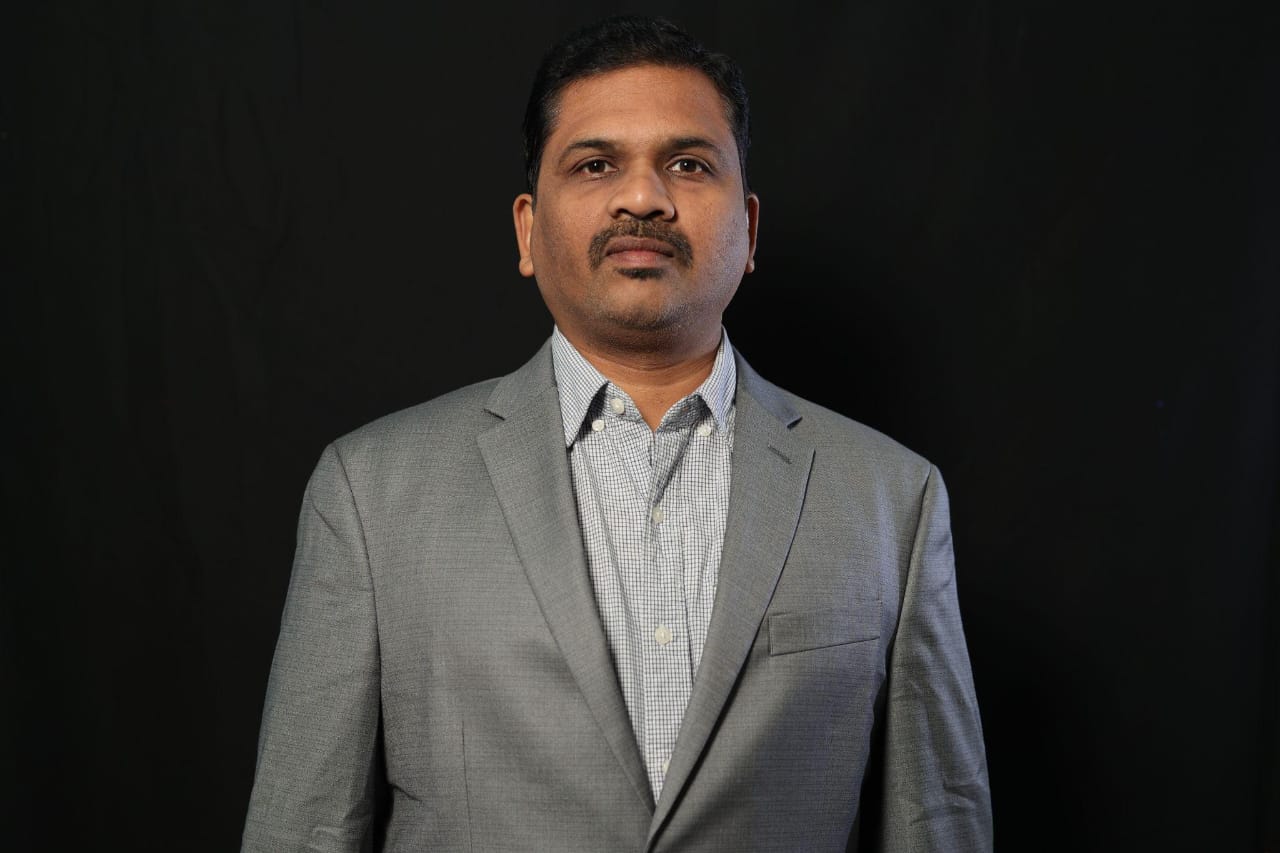
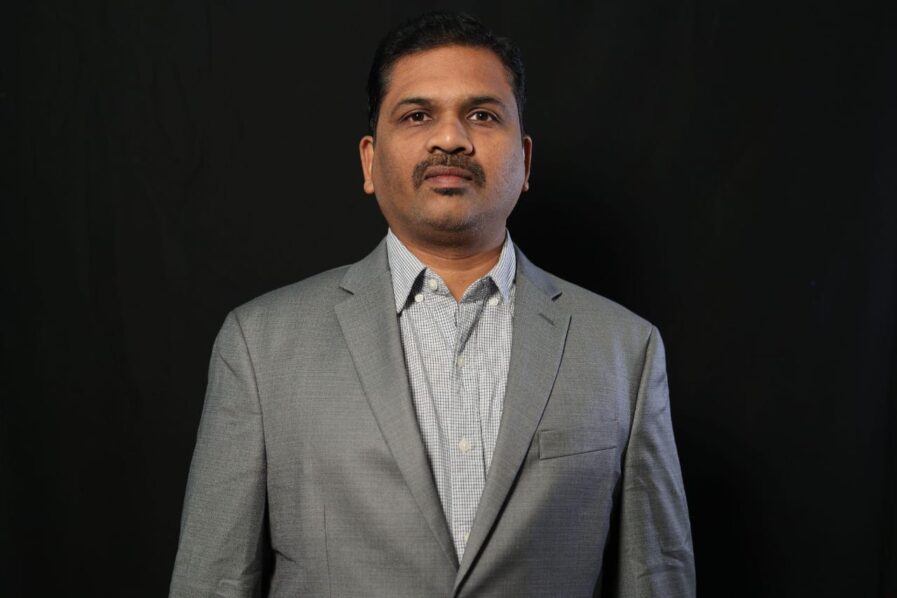
As healthcare increasingly adopts advanced technology, automation has become vital for improving efficiency and patient outcomes. Dr. Sreekanth Vinnakota, a site reliability engineering (SRE) leader, has been leading the implementation of these automation frameworks within healthcare settings. With over two decades in the field, Vinnakota has driven advancements in SRE, transforming traditional production support to integrate machine-driven solutions that elevate reliability and reduce human error.
[ad]
SRE in Healthcare: A New Model for System Reliability
Healthcare providers face unique challenges when it comes to IT system reliability. Interruptions in patient-facing applications, for example, can directly impact the quality of care. Vinnakota’s contributions to SRE aim to address these challenges by building resilient, autonomous systems. He introduced automation to healthcare’s traditionally reactive maintenance models by using SRE. With this, healthcare IT operations shifted to a proactive, data-driven framework that detects and mitigates system issues before they impact users.
“Healthcare systems need a strong foundation for reliability—patients expect consistent performance from their healthcare providers. SRE gives them that reliability by reducing human error and automating critical tasks,” Vinnakota says. His work with SRE has enabled providers to maintain high availability, particularly during peak usage periods, ensuring essential systems remain fully operational.
According to a recent report by the American Hospital Association, IT downtime in healthcare settings costs up to $4,000 per minute, highlighting the financial impact of Vinnakota’s work in minimizing these outages.
AI-Driven Incident Management: Transforming Support Models
Vinnakota’s contributions extend into artificial intelligence (AI)-driven incident management, where he has redefined the traditional healthcare support model. By integrating AI with SRE, he created a “self-healing” infrastructure that significantly reduces downtime. Automated monitoring detects anomalies in real-time, alerting healthcare IT staff to issues before they escalate. These systems go beyond mere notifications—AI algorithms assess the root cause and, in many cases, initiate corrective actions autonomously.
[ad]
With SRE models powered by AI, healthcare organizations have reported a 30% reduction in service interruptions, according to industry data from Gartner. Vinnakota’s efforts have also improved response times, which is crucial in high-stakes environments such as hospitals. He developed frameworks where AI actively learns from incidents, refining its response strategies to prevent future issues. “Automated incident management is not just about quick fixes; it’s about building systems that can ‘think’ through problems,” he explains. “This is especially important in healthcare, where every minute saved can make a difference.”
The Role of Predictive Maintenance in Healthcare IT Systems
In addition to incident management, predictive maintenance has become essential to Vinnakota’s work. Traditional maintenance models operate on set schedules, which can often be inefficient. His SRE frameworks, however, use AI and machine learning (ML) to predict and preempt system failures based on usage patterns and historical data. This predictive maintenance approach minimizes unnecessary repairs and keeps systems functional longer.
According to a study by the Healthcare Information and Management Systems Society, predictive maintenance can reduce healthcare IT costs by 20% annually. The impact on reliability is equally significant, with hospitals reporting a 40% decrease in emergency maintenance incidents since adopting these systems.
Automation in SRE: Expanding AI-Driven Solutions Beyond Healthcare
While healthcare has been a focus area for Vinnakota, his influence extends to other sectors where automation is key. His expertise in SRE and AI-driven solutions has translated effectively across various industries, including finance and public infrastructure. For example, initially designed for healthcare, his automated support models have proven successful in finance, where similar requirements for system uptime and security apply. Vinnakota’s ability to adapt SRE principles for broader applications proves the flexibility and scalability of his models, allowing organizations in diverse fields to benefit from his innovations.
[ad]
Vinnakota’s approach also incorporates newer technologies like chaos engineering—a practice that deliberately introduces failures into systems to test their resilience. In this way, he ensures that the systems he develops are robust enough to handle unexpected disruptions. According to a 2023 study by the International Data Corporation, organizations using chaos engineering report an average of 25% higher system resilience. Vinnakota has helped create more robust automated solutions that withstand real-world conditions.
The Growing Demand for SRE in Healthcare
The healthcare sector is becoming increasingly digital, and the demand for automated IT solutions is anticipated to grow. Forecasts from MarketsandMarkets project the global healthcare IT market to reach $509 billion by 2028, largely driven by AI and automation. Vinnakota plans to continue refining his models, improving system adaptability to accommodate evolving healthcare needs.
“There is tremendous potential for AI in healthcare IT, especially in creating systems that adapt autonomously,” Vinnakota notes. “Our goal is to build solutions that don’t just support healthcare operations but fundamentally improve them.” His future work is set to address challenges such as integrating patient data systems with AI analytics, a step that could lead to even more personalized, efficient care.
[ad]

