 Follow Us on Google News


 Follow Us on Google Discover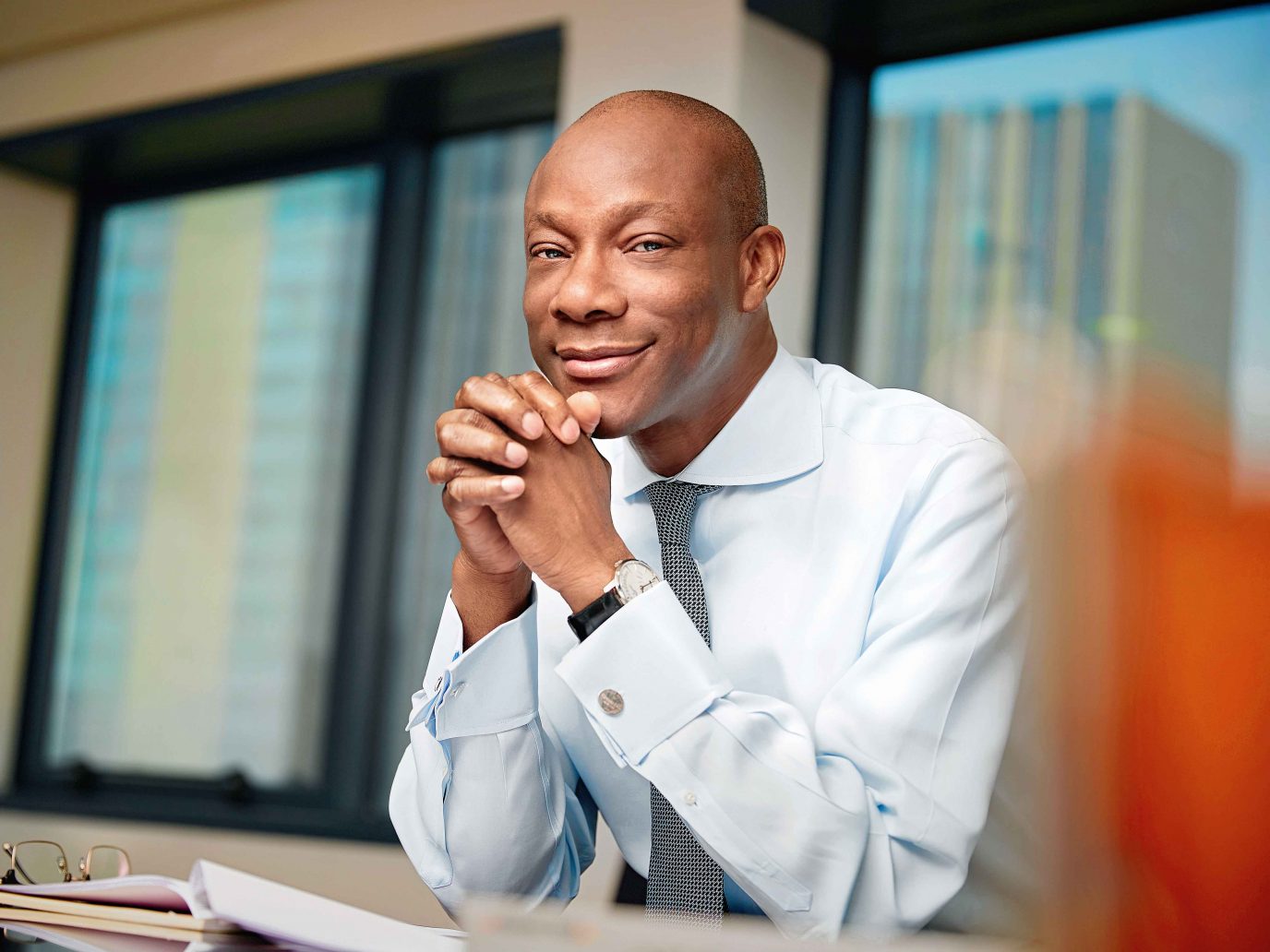

• Decry social isolation of persons with autism spectrum disorder
Experts in the education and health sectors have called for increased social consciousness of autism and improved support systems to effectively manage developmental disorders in Nigeria.
[ad]
They also stressed the need for more collective efforts to build and sustain a culture of inclusion of people with autism spectrum disorder (ASD) to enable them reach their full potential.
The stakeholders made the appeal at the 12th yearly autism conference organised by Guaranty Trust Holding Company Plc (GTCO), with the theme: “Creating a Community of Awe-Tism Advocates”, which held in Lagos.
In his remarks, GTCO Group Chief Executive Officer, Segun Agbaje, said the yearly event had shaped a community of people with a shared commitment to create better outcomes for those deemed different from what the world defines as normal.
He noted that the theme of this year’s conference highlighted issues revolving around social isolation of persons with ASD, while at the same time, sought more practical support for this special group of persons by adopting a mindset of inclusion.
“For us at GTCO, we appreciate diversity in the range of capabilities available to everyone and see inclusion as a key enabler for wide-reaching growth,” Agbaje added.
President/Chief Executive Officer, Behaviorprise Consulting Inc., Toronto, Canada, Lanre Duyile, said the challenge to caring for people with autism is multi-factorial, ranging from lack of professionals, programmes for autism care in higher institutions to parlous funding.
[ad]
He regretted that majority of children living with autism travel abroad to get help due to gaps in accessing adequate and appropriate care in Nigeria. Duyile said: “There are no concerted efforts by government to help people. We need to do much more awareness creation and discuss the issues and gaps in the system, which are multi-factorial.

“There is need for more collaboration. A lot of practitioners don’t have the required training, the higher institutions of learning do not have programmes channeled to training people who are interested in caring for people with autism.”
“There is also need for funding because there is a huge gap in that area. For you to get support for one child, you need like five professionals, and that is going to cost a whole lot of money even with government institutions.”
Consultant Psychiatrist at the Neuropsychiatric Hospital, Aro Abeokuta, Ogun State, Dr. Sowunmi Oladipo, said the problem in addressing autism is the gap between the caregivers and those who need them, especially as people do not know the time and right place to see for care.
He stressed that primary prevention is key, as people need to have more information on what the problem is and what the government needs to do to ensure more access for people living with autism.
Oladipo continued: “Because of the ongoing advocacy over the years, people have more information on what autism is, and what to do to have access to care.
“People not knowing where to get access to care for people with autism is challenging. Once they are better informed, they can get more access. It is best to seek care in appropriate places so they can get proper and right diagnosis. It is a multidisciplinary approach.”
[ad]

