 Follow Us on Google News
 Follow Us on Google Discover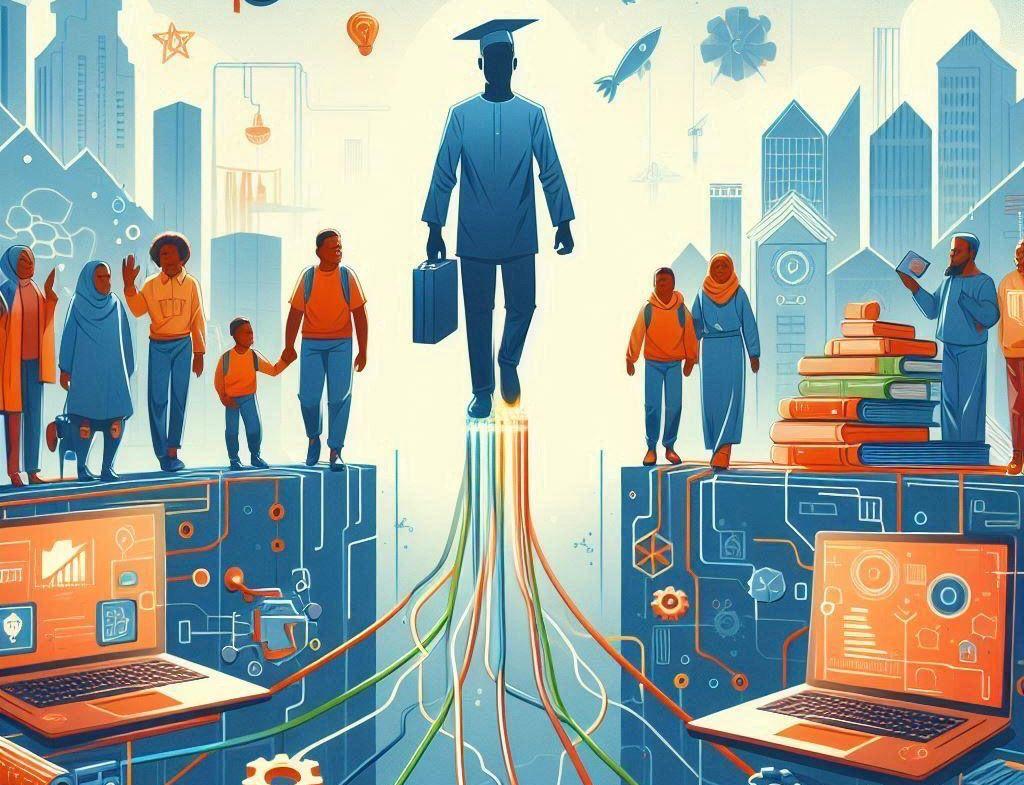
 In today’s rapidly evolving technological landscape, the critical role of mentorship and tech education cannot be overstated. As we navigate through the complexities of digital transformation, it is essential to acknowledge the immense value of experienced professionals guiding the next generation of tech leaders and the imperative of investing in tech education to bridge the digital divide. These intertwined elements are paramount for shaping the tech industry’s future and driving economic growth.
[ad]
Mentorship provides a practical and profound platform for knowledge transfer. Unlike formal education, which often emphasises theoretical knowledge, mentorship offers real-world insights and experiences. These are invaluable for young professionals just beginning their tech journey. Through mentorship, seasoned experts can impart lessons from their successes and failures, helping mentees avoid common pitfalls and seize opportunities confidently.
For instance, while mentoring at Ilorin Innovation Hub, a vibrant centre dedicated to promoting innovation and assisting technology-driven ventures, one group member, Ibrahim, struggled to build a mobile application for his startup idea. By providing hands-on guidance and sharing my experiences, we helped him overcome the technical challenges, and his startup has since grown to secure seed funding. This success story highlights the tangible impact of mentorship in empowering individuals to achieve their professional goals.
In another case, one of my mentees at CodeWithTemi, Adeola, came from a non-technical background but was eager to transition into a career in data science. I guided her in building foundational skills, navigating complex projects, and connecting with the right networks. Today, Adeola works as a data analyst at a leading tech firm, a testament to how mentorship can transform careers.
[ad]
These experiences have shown me firsthand how mentorship fosters a culture of continuous learning and innovation. In an industry where staying current with the latest trends and technologies is crucial, mentors play a pivotal role in ensuring their mentees remain competitive. They can introduce emerging tools and methodologies, encourage the pursuit of further education, and facilitate networking opportunities that can open doors to new career paths.
Research from the Association for Talent Development (ATD) supports this. It shows that companies with formal mentorship programs have 50% higher employee engagement and retention rates than those without. Furthermore, mentees are five times more likely to advance in their careers, while mentors benefit from enhanced leadership skills and career satisfaction. This data underscores the mutual benefits of mentorship and its role in fostering a thriving, innovative workforce.
However, the benefits of mentorship extend beyond the individual. Companies that invest in mentorship programs often see increased employee satisfaction and retention. Mentorship creates a supportive and collaborative work environment. Employees feel valued and are more likely to stay with a company committed to their personal and professional growth.
Moreover, mentorship is a key driver of diversity and inclusion within the tech industry. By actively mentoring individuals from underrepresented groups, seasoned professionals can help to level the playing field. This promotes equality and enriches the industry with a wider range of perspectives and ideas.
From an economic perspective, mentoring in tech significantly contributes to the growth and development of the industry. The talent pool expands as more individuals acquire essential tech skills, increasing innovation and productivity. This, in turn, attracts investment and drives economic growth. According to a report by McKinsey, closing the tech skills gap through mentorship and education could add $2.7 trillion to global GDP by 2030. The ripple effect is profound: higher employment rates, better job prospects, and a more robust economy. Seeing the progress of my mentees and knowing that I played a part in their development fills me with immense joy and reinforces my belief in the power of mentorship to effect positive change.
However, mentorship alone is not enough. Tech education is the cornerstone of bridging the digital divide. It equips individuals with the skills they need to participate in the digital economy, enhances their employability, and empowers them to innovate. However, access to quality tech education is still unevenly distributed, particularly in underserved communities. This disparity exacerbates existing inequalities and stifles potential talent.
To address this, we must prioritise investment in tech education at all levels. This means supporting initiatives that provide affordable, high-quality education and training programs. It also means investing in infrastructure, such as ensuring that schools and communities can access reliable internet and up-to-date technology. By creating an environment where tech education is accessible to all, we can ensure that everyone has the opportunity to succeed in the digital age.
Government, private sector, and non-profit organisations all have a role to play in this effort. Public policies should incentivise investment in tech education and support programs that target underserved populations. The private sector can contribute through partnerships with educational institutions, providing resources, expertise, and opportunities for hands-on learning. Non-profits can advocate for these issues and implement grassroots initiatives that make a real difference in local communities.
Moreover, tech education should not be limited to traditional classroom settings. Online learning platforms have revolutionised education, allowing anyone with an internet connection to acquire new skills. We should leverage these platforms to reach a wider audience, offering courses in coding, data science, cybersecurity, and other in-demand fields. By doing so, we can democratise access to tech education and help more people to realise their potential.
Investing in tech education involves addressing the systemic barriers that prevent certain groups from entering the tech field. Women, minorities, and individuals from low-income backgrounds are often underrepresented in tech. We need targeted programs that provide mentorship, scholarships, and support networks to these groups. We can tap into a broader talent pool and drive innovation by fostering an inclusive environment.
Bridging the digital divide through tech education has many benefits. It leads to economic growth, as a more skilled workforce attracts investment and drives entrepreneurship. It promotes social equity as individuals gain the necessary tools to improve their circumstances. Additionally, it fuels innovation, as diverse perspectives lead to creative solutions to complex problems.
[ad]
In conclusion, empowering the future through mentorship and tech education is essential for our collective progress. These intertwined efforts require a concerted effort from all sectors of society, but the rewards are well worth it. By ensuring everyone can access quality mentorship and tech education, we can build a more equitable, innovative, and prosperous world. Let us commit to this cause and take the necessary steps to make tech education and mentorship accessible to all.
TemiTope Kayode is a tech entrepreneur and an experienced expert in software engineering and machine learning. As a mentor, he has had a significant impact through his work with prominent organisations such as the Ilorin Innovation Hub and U.I Consultancy and his initiative, CodeWithTemi. TemiTope’s commitment to mentoring extends beyond technical training, as he aims to inspire innovation, resilience, and a sense of community among aspiring developers and entrepreneurs.
[ad]

