 Follow Us on Google News
 Follow Us on Google Discover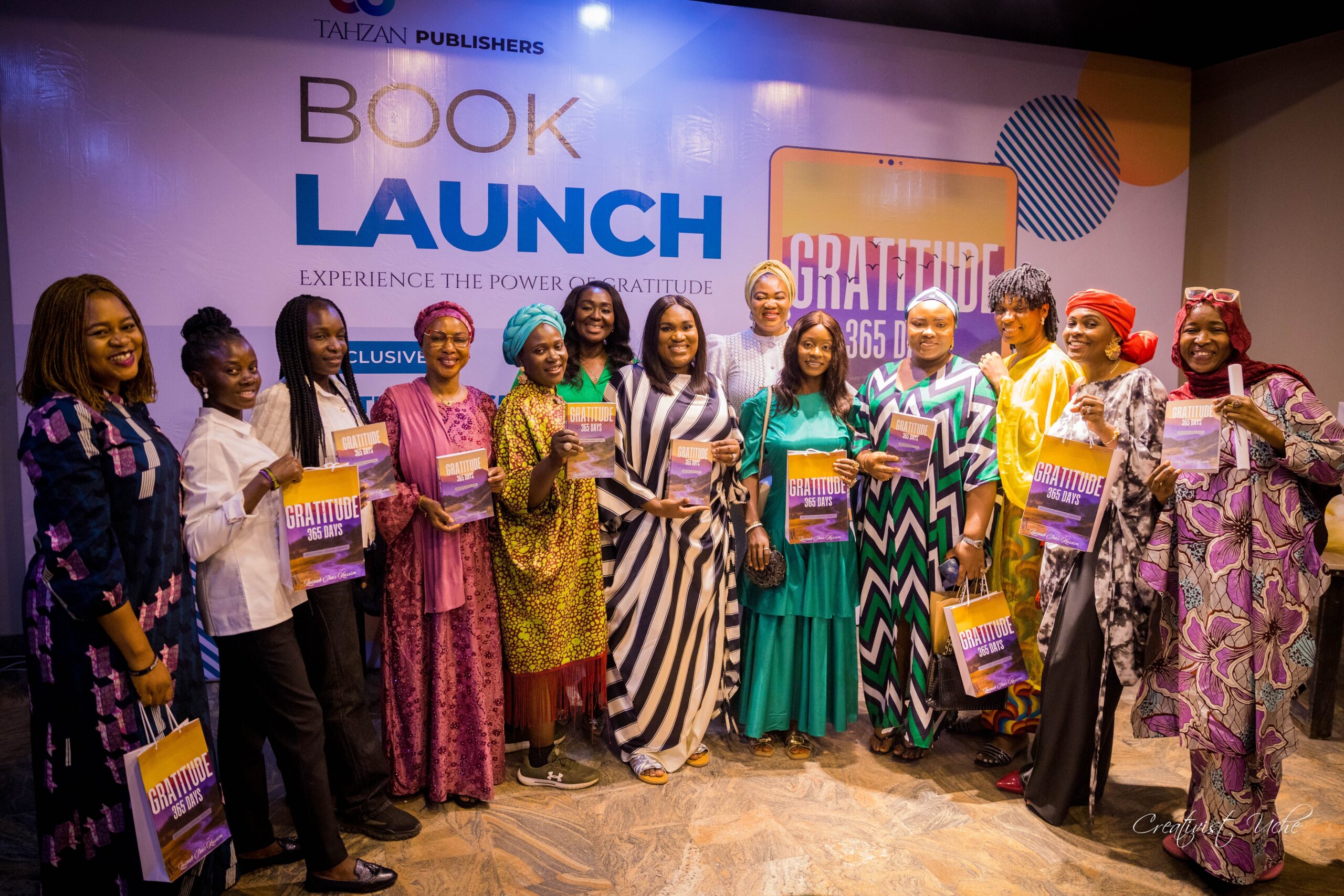

Former Special Assistant on Domestic Affairs and Event Management under the administration of former President Muhammadu Buhari, Zainab Ikaz-Kassim, has urged Nigerians to adopt a mindset of gratitude, saying it is a key driver of productivity and financial stability.
Speaking at the launch of her book, ‘Gratitude 365 Days: Reflections, Lessons, and Growth’, at the weekend in Abuja, Ikaz-Kassim, a development consultant, maintained that economic hardship should not be an excuse for negativity, adding that gratitude enhances productivity and opens doors to financial opportunities.
She noted that gratitude plays a crucial role in shaping an individual’s outlook and ability to thrive, especially during the current economic challenges.
According to her, success is not solely dependent on external circumstances but also on an individual’s mindset and ability to take proactive steps.
“If you are an ungrateful person, you will be unable to be productive, and if you are unable to be productive, you are unable to do anything that will bring you money. So by being grateful, you become more productive, and as a more productive person, regardless of the economic situation, regardless of what the country is saying, as a grateful and productive person, you will be able to come up with something that can fetch you income and help your life generally,” she said.

She explained that her book is designed to help individuals cultivate gratitude through personal reflections, shared experiences, and practical exercises that promote a positive and resilient mindset.
Encouraging Nigerians to remain hopeful and resilient, she advised people to appreciate the little things in life, no matter how difficult the situation may seem.
READ ALSO:Buhari grateful for good health, defends stewardship
The former presidential aide added: “One of the biggest lessons I learned along the way is grace. There were moments when I found myself judging people—based on how they responded, how engaged they seemed, or how they interacted with me. Some people seemed distant, uninterested, even standoffish.
“But as I listened to their gratitude stories, I realised something important: people are going through so much that we never see.
“Some were grieving. Some were fighting silent battles. Some were simply overwhelmed by life. And yet, despite all of that, they still found moments to be grateful. That changed me. It taught me to pause before reacting, to be slower to judge, and to extend kindness wherever possible.
“This is the heart of gratitude. It’s not just about appreciating what we have—it’s about shifting our mindset, seeing the world differently, and choosing to focus on what truly matters.”

