 Follow Us on Google News
 Follow Us on Google Discover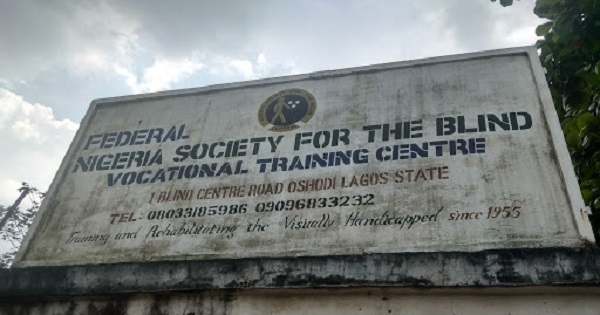
The Federal Nigeria Society for the Blind (FNSB) has renewed its call for stronger collaboration, improved accessibility, and full enforcement of the White Cane Law to support the safe mobility and independence of blind and visually impaired persons in Lagos State.
This call was made during the yearly white cane mobility and independence workshop held in Lagos.
The event featured a music and drama presentation by visually impaired students, demonstrating proper white cane usage and techniques for assisting blind individuals.
The Chairman of the Executive Council, Tunde-Imoyo, described the workshop as a vital platform for strengthening partnerships that safeguard the rights of visually impaired individuals.
She noted that the white cane symbolises freedom and confidence, but its value depends on accessible walkways, trained transport personnel, and a public that respects the white cane law.
General Manager of Lagos State Traffic Management Authority (LASTMA), Olalekan Bakare-Oki, represented by Director of Safety Standards, LASTMA, Bamgbasa Olatunji, emphasised that “safe mobility is a right, not an option, especially for vulnerable road users.”
He called for disability-friendly road planning, audible crossings, and strict enforcement of accessibility laws. He noted that Nigeria has 1.3 million blind persons, citing data from the World Health Organisation (WHO).
Convener of Arike Eye Care Support Foundation and blind Kolapo Abiodun, donated 50 guide canes to the blind students and teachers, and also urged government and private sector actors to invest in long-term disability inclusion.
Visually impaired lawyer Emeka Oriku called for respect and better treatment of blind persons, noting ongoing discrimination in public spaces.
Military and paramilitary representatives, including personnel from the Nigerian Army, Federal Road Safety Corps (FRSC) and Fire Bridge Service, Nigeria Security and Civil Defence Corps (NSCDC)-also pledged stronger support for the cause of the blind.
They assured FNSB of continuous collaboration, enhanced public safety measures, and improved sensitisation within their agencies to ensure that visually impaired persons move safely and with dignity.

