 Follow Us on Google News


 Follow Us on Google Discover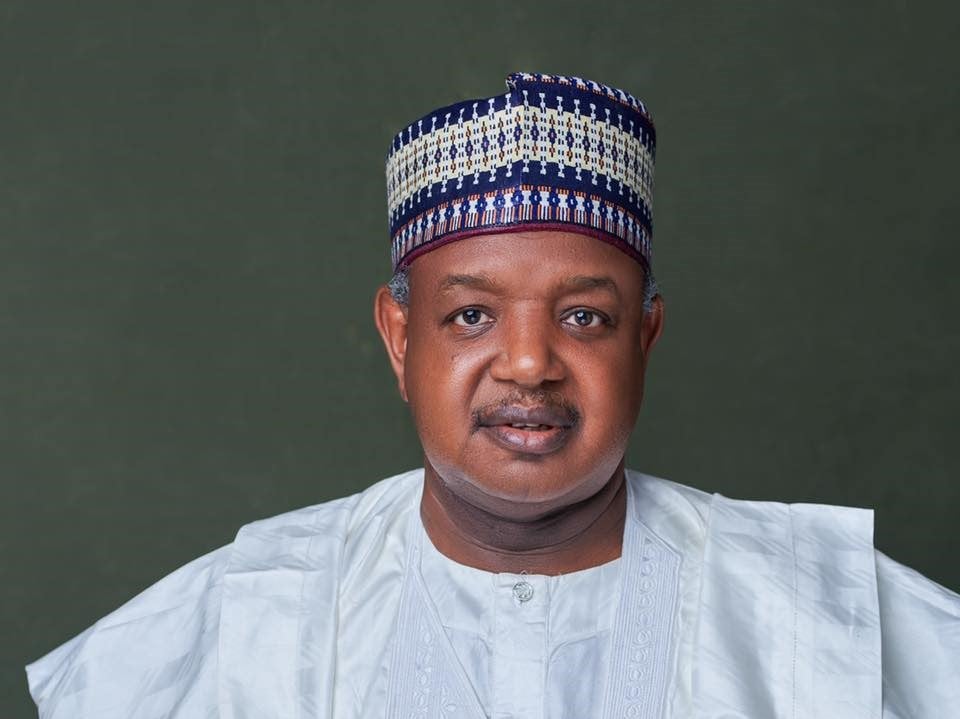
Minister of Budget and National Planning, Senator Abubakar Atiku Bagudu, has said Nigeria can attain a $1 trillion economy by 2030, but only if the country urgently equips its rapidly expanding youth population with the skills and mindset required to drive future economic growth.
Speaking at the 10th anniversary celebration of the I Am Change (IAC) Organisation on Saturday in Abuja, Bagudu said Nigeria’s demographic trajectory places it among a rare group of countries with the potential for extraordinary economic expansion.
But the minister warned that the opportunity will slip away if citizens fail to prepare strategically.
He disclosed that over eight million births were recorded in Nigeria last year alone—almost matching China’s annual population growth. This, he said, positions Nigeria to become one of the world’s largest labour, talent and consumer markets within the next decade.
Bagudu urged youths to view this demographic explosion not as a mere statistic but as a strategic opening that requires skills, discipline, innovation and shared responsibility.
“The choices we make today—pleasant or difficult—will determine whether we reach the $1 trillion milestone,” he said. “To get there, we must identify the skills the future economy requires and support each other to acquire them.”

The minister commended IAC for nurturing civic consciousness and leadership among youth, saying their programmes are crucial in shaping citizens capable of powering Nigeria’s economic aspirations.
He also revealed that the government is currently mapping poverty and conflict drivers across all 8,809 wards in the country, a data-driven initiative he said will boost local productivity and remove structural barriers to growth.
Bagudu concluded that Nigeria’s economic future “will be shaped by the hands, minds and courage of its youth,” insisting that the next seven years must be characterised by difficult decisions, collective sacrifice and bold national ambition.
In her welcome address, IAC Executive Director Hafsatu Shinkafi warned that Nigeria risks “wasting an entire generation” if it continues to overlook the creativity and leadership potential of its young people.
Shinkafi said IAC was founded in 2015 in response to deep structural injustices facing youths—from unemployment and insecurity to failing education systems and political exclusion.
A decade later, she said, those challenges remain urgent, but the organisation’s work has shown that youth-led civic action can reshape national realities.
“Today is not just an anniversary; it is a decade of defying apathy and proving that Nigerian youth are not problems to manage but resources capable of rebuilding this nation,” she said.
She highlighted the “Not Too Young to Run” law as proof that sustained advocacy can lead to real political gains, noting that IAC has played a key role in mobilising young voices, strengthening democratic participation and expanding civic awareness.
Shinkafi also outlined the organisation’s major initiatives—such as the Leadership and Mentoring Academy, electoral engagement programmes, the Democracy Camp, and the “It Starts With Me” civic-action project—which have produced young advocates, community organisers and emerging leaders across Nigeria.
She said IAC’s impact is best seen in individual stories: out-of-school children reintegrated into schooling, youth activists influencing local government decisions, and young people spearheading community-based campaigns.
Addressing hundreds of beneficiaries and dignitaries, including Bagudu, Shinkafi stressed that Nigeria must now shift from inspiration to investment.
“We are not training the next generation for tomorrow,” she said. “We are training them to build Nigeria now. Because the future will not wait.”

