 Follow Us on Google News


 Follow Us on Google Discover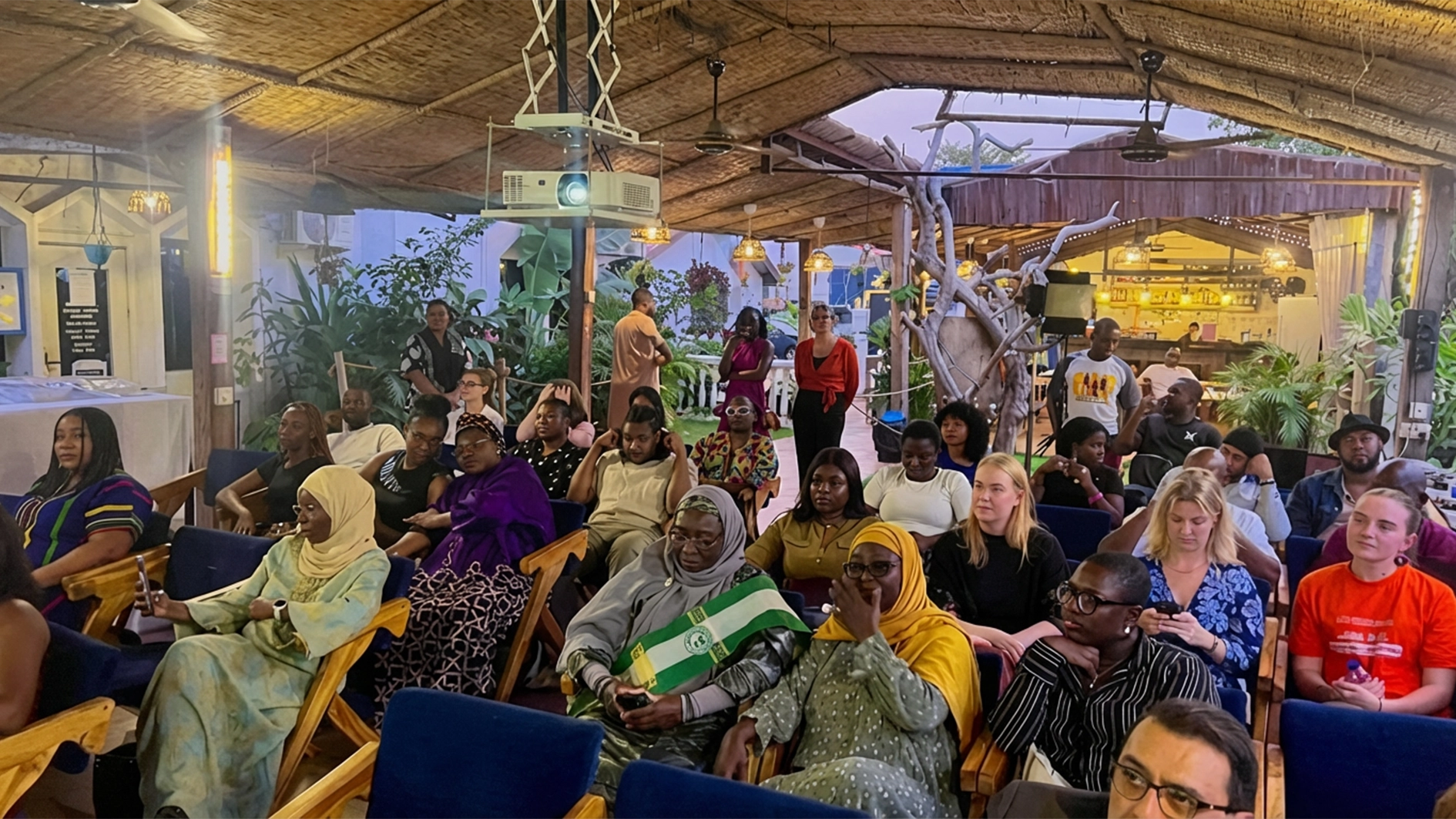
The French embassy, in collaboration with the High Commission of Canada in Nigeria, in commemoration of the 16 days of Activism on gender based violence, has strongly condemned the rising issue of digital hostility directed towards women.
This collaborative initiative aims to address the various forms of online harassment and discrimination that women face in the digital space and recognise the urgent need for a united front against cyberbullying, misogyny, and the dissemination of harmful content that undermines women’s rights and safety.
Through this partnership, they seek to raise awareness, promote digital literacy, and advocate for policies that protect women online.
The event, which was held yesterday, is the screening of a documentary, ‘Backlash: Misogyny in the Digital Age’, that took place at the French Institute in Wuse, Abuja.
This feature-length documentary, crafted by filmmakers Léa Clermont-Dion and Guylaine Maroist, delves deeply into the troubling and often hidden complexities of online misogyny.
Through a series of poignant narratives, the documentary unearths the chilling experiences of women who have faced severe bullying in various aspects of their lives, including their careers and professional endeavours.

It poignantly highlights the formidable challenges they encounter while striving to take on leadership roles, ultimately shedding light on the pervasive culture of discrimination and hostility that continues to undermine women’s advancement in society.
The Head of Cooperation at the French embassy, Mr Thierry Valentin, shared that the screening marks the conclusion of the 16 Days of Activism against Gender-Based Violence.
He emphasised France’s dedication to fostering a robust feminist diplomacy and tackling issues related to violence and abuse in digital spaces.
This initiative according to him, highlights the importance of addressing these critical issues and promoting a safer environment for all.
He remarked, “The documentary we are about to watch sheds light on what women face when online attacks and harassment escalate, and how this affects their lives, their work and their freedom to speak. It reminds us that what happens on a screen has very real consequences, and that each of us has a role in making digital spaces safer and more respectful.”
The Head of Development Cooperation at the High Commission of Canada in Nigeria, Mr Arash Irantalab, emphasised the importance of addressing digital hostility as a key component of Canada’s Feminist International Assistance Policy and its broader commitment to inclusive governance.
He highlighted Canada’s leadership in establishing digital safety standards and promoting responsible, rights-based technology governance through the creation of influential norm-setting documents.
He explained that in Nigeria, Canada proudly supports initiatives that elevate women’s voices, confront the root causes of sexual and gender-based violence, and assist survivors. The aim is to ensure that technology serves as a means of progress rather than perpetuating inequality.
Arash introduced the ‘Playbook for Gender Equality in the Digital Age,’ which outlines best practices for fostering gender equality in digital environments.
He also mentioned the Guidelines on Supporting Human Rights Defenders, which aim to create an online atmosphere conducive to civic engagement.
“Our approach involves an international assistance portfolio that includes the transformative Renewed Women’s Voice and Leadership initiative and the Canada Fund for Local Initiatives. Women around the globe who lead or maintain a public presence frequently encounter digital hostility intended to intimidate them and drive them out of public life.
It’s essential to recognise that technology-facilitated gender-based violence (GBV) is a significant issue that affects women’s participation in politics, journalism, activism, entertainment, and everyday digital interactions not only in Nigeria but also in Europe and North America.
By addressing technology-facilitated GBV, we reinforce democratic values, uphold human rights, and promote accountability for harms occurring in digital spaces,” he concluded.

