 Follow Us on Google News
 Follow Us on Google Discover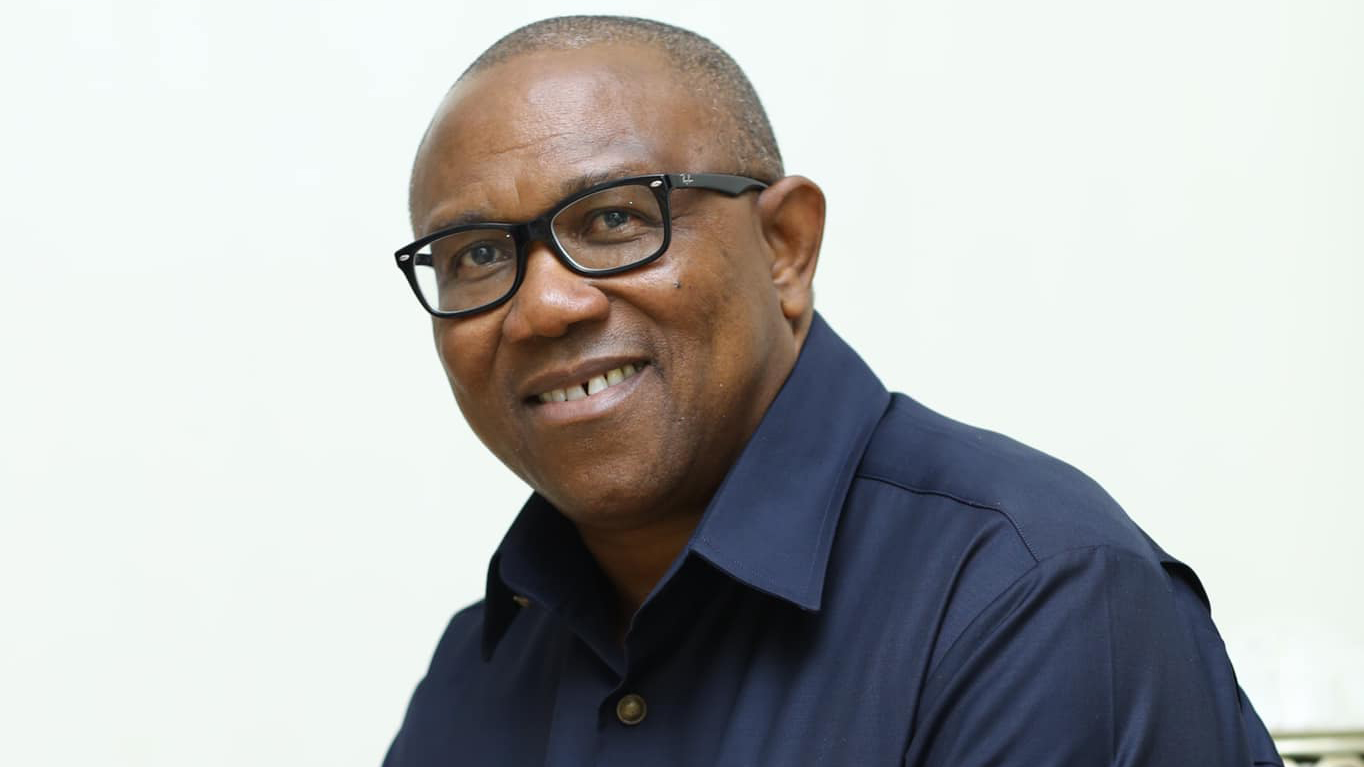
Former presidential candidate in the 2023 general elections, Peter Obi, has called for an immediate and independent investigation into allegations that government officials supplied arms and logistics to suspected terrorists, following the circulation of a video from Kwara State showing detainees making such claims.
In a statement posted on X, Obi described the allegations as disturbing and said they raised serious questions about accountability within Nigeria’s security architecture.
He said the claims, now widely shared online, required a transparent probe to establish the facts and restore public confidence.
The video, which emerged earlier this week, reportedly shows individuals arrested by security forces alleging that ammunition and other forms of support were provided to them by officials.
Nigerian authorities have not publicly confirmed the claims.
Obi said successive governments had collected trillions of naira and billions of dollars for security purposes, yet insecurity had continued to spread across the country.
“Over the years, trillions of naira and billions of dollars have been continuously collected by the government in the name of security. Yet insecurity has only expanded across the country, and in an increasingly brazen manner,” he said.

He pointed to the persistence of kidnapping, banditry and terrorism despite Nigeria’s control over intelligence, telecommunications and financial monitoring systems.
He referenced remarks previously made by former military ruler Sani Abacha, who said prolonged insurgency implied government involvement, and former president Olusegun Obasanjo, who had questioned why Nigeria negotiates with terrorists despite having the technology to track and neutralise them.
“This type of news fallout goes to give credence to the much-referenced quotation of late military leader General Sani Abacha that ‘Any insurgency that lasts more than 24 hours, the government is involved,’” he said.
Obi also recalled that between 2010 and 2015, Nigeria invested heavily in advanced police communication and tracking infrastructure designed to monitor criminal movements and support rapid response.
He questioned the current state of those systems and why they were not being deployed to address ongoing security threats.
“Former President Olusegun Obasanjo reinforced this point even more directly when he said: ‘Before I left office, Nigeria could identify and locate anyone who committed any crime anywhere in the country. Today, with technology such as drones and improved tracking tools, we can easily locate and remove them. But we are not doing that. Why are we negotiating with terrorists?’” he said.
The former Anambra State governor further cited recent school abductions, noting that while the release of some victims had been celebrated, no arrests had been announced and no official updates provided on others still in captivity. He asked why available security tools had not been used to locate and rescue those remaining.
“When insecurity persists on this scale, day after day, it points either to complicity or to a failure of leadership,” Obi said, adding that the primary responsibility of any government was the protection of life and property.
Nigeria has faced prolonged security challenges, including an Islamist insurgency in the North-East, banditry in the North-West and North-Central regions, and widespread kidnapping for ransom. Authorities have repeatedly said efforts are ongoing to address the threats through military operations, intelligence gathering and inter-agency cooperation.
Obi said Nigeria requires leadership that is built on competence, transparency and accountability, stressing that insecurity should not be managed but decisively addressed.

