 Follow Us on Google News


 Follow Us on Google Discover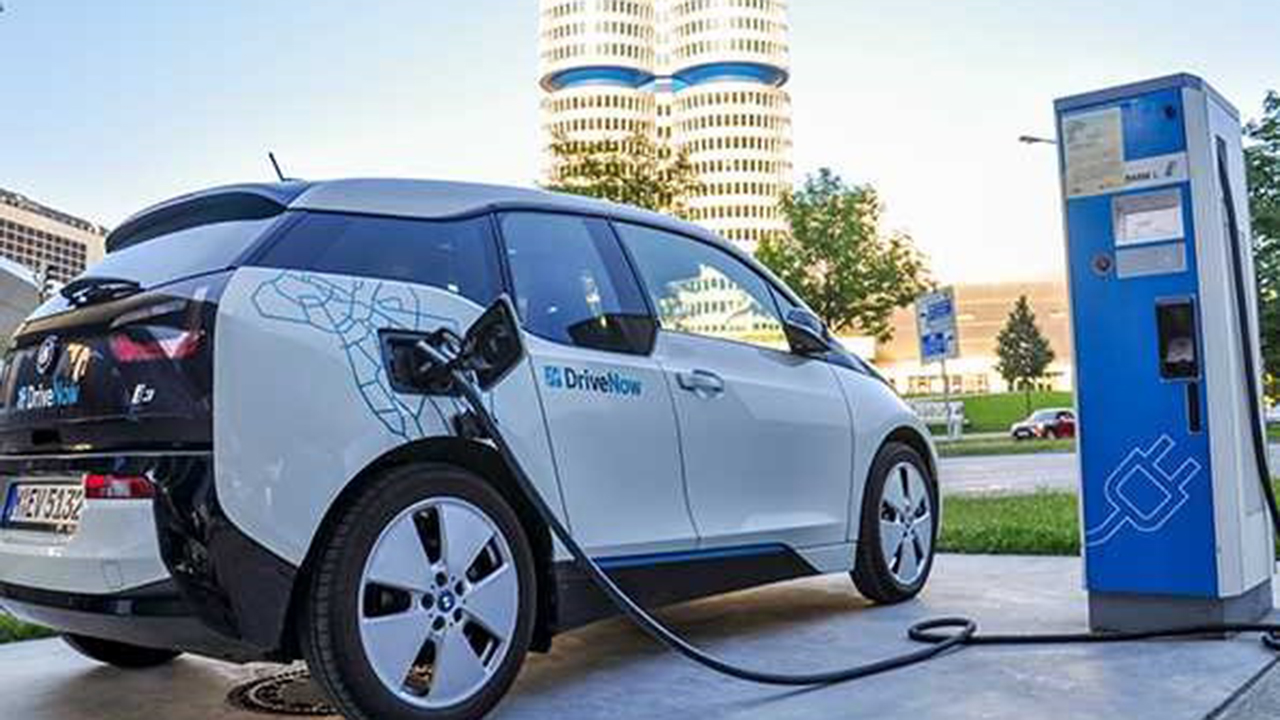
Nigeria’s transition to electric mobility will depend largely on improved energy access and the development of renewable-powered charging infrastructure, the Chief Executive Officer of Bankrol Camel EV, Suleiman Yusuf, has said.
Yusuf said while Nigeria is gradually aligning with global low-carbon transportation trends, sustained investment in power infrastructure remains essential to support large-scale adoption of electric vehicles.
He spoke at the Electric Vehicle (EV) Fair organised by the Presidential Initiative on Compressed Natural Gas (PiCNG) at Eagle Square, Abuja, which brought together government officials, industry leaders, investors and innovators in the clean-mobility space.
Present at the event were the Minister of State for Petroleum Resources (Gas), Ekperikpe Ekpo, represented by his Senior Technical Adviser (Downstream), Abel Igheghe; Executive Chairman of PiCNG, Ismaeel Ahmed; Director-General of the National Automotive Design and Development Council (NADDC), Oluwemimo Joseph Osanipin; and Chairman of IRS Group, Rabiu Isyaku Rabiu.
Yusuf described electric mobility as an inevitable outcome of global energy transition pressures, climate commitments and the growing demand for affordable and efficient transportation.
He said Nigeria’s ability to scale EV adoption would be shaped by its capacity to strengthen power infrastructure, particularly through clean and renewable energy solutions.
“Electric mobility cannot exist without energy access. As EV adoption grows, there must be a corresponding expansion in power supply, especially renewable energy, to sustain it,” he said.
While acknowledging long-standing challenges in the electricity sector, Yusuf noted that private-sector operators were increasingly deploying decentralised and clean energy solutions to bridge existing gaps.
He disclosed that solar-powered EV charging networks were expected to expand significantly from early next year, starting with strategic corridors linking Abuja to Maiduguri and extending across parts of the North-East, North-West and North-Central regions.
Yusuf added that efforts were also underway to address other barriers to EV adoption, including skills shortages, financing constraints and maintenance capacity.
According to him, initiatives include technical workforce training, job creation and flexible financing models that allow customers to access EVs with as little as 15 per cent down-payment and repayment periods of up to five years.
“At Bankrol Camel EV, our focus is on four key pillars: charging infrastructure, human-capacity development, financing and long-term maintenance to support the transition to electric mobility,” he said.
Participants at the event toured the facility, where they inspected one of the largest EV super-fast charging stations in West Africa and viewed vehicles on display.

