 Follow Us on Google News
 Follow Us on Google Discover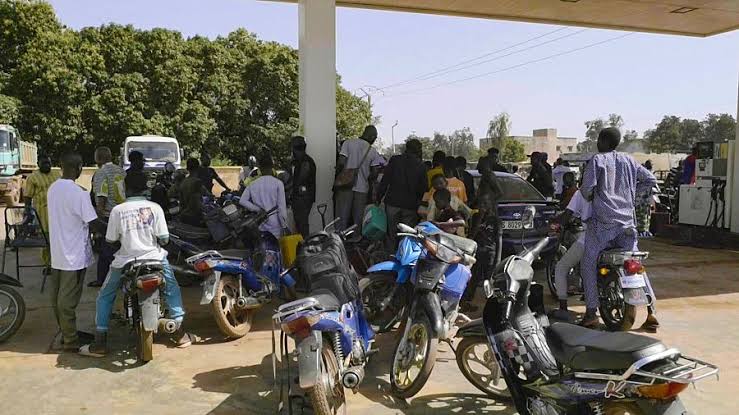
Christmas celebrations in Abuja this year have taken on a different economic tone, driven by reduced fuel prices, improved food affordability, and shifting travel patterns that are keeping more residents within the city.
In recent festive periods, the Christmas season in Abuja has been characterised by fuel scarcity and long queues across fuel stations, a situation that often forced residents to stay indoors, reduce spending, and contend with sharp increases in transportation costs within the city. This year, however, the narrative has changed following a drop in fuel prices from about ₦970 per litre to approximately ₦743, easing movement and restoring confidence in daily economic activities.
Across major markets in the Federal Capital Territory, traders say the reduction in fuel prices has restored a level of price stability not seen in recent Christmas seasons. Lower transportation costs have eased pressure on food supply chains, resulting in significantly reduced prices of staple items. A basket of onions that sold for as much as ₦13,000 during the 2024 Christmas period now goes for between ₦4,000 and ₦5,000 across Abuja markets.
Market activity has remained strong, with buyers appearing more confident in their spending. Traders attribute the steady flow of goods to fewer logistics disruptions, allowing produce from northern farming communities to reach Abuja without the sharp festive price spikes experienced in previous years.
While food markets are enjoying stable trade, restaurants and recreational centres across the city are witnessing a surge in patronage. Families are trooping into eateries, parks, cinemas, and entertainment centres daily, a development operators link to the decision by many residents to remain in Abuja for the holidays.
This shift has been largely influenced by the severe gridlock on the Lokoja–Abuja highway, which gained widespread attention after videos and eyewitness accounts of stranded travellers circulated on social media. The traffic situation discouraged many prospective travellers, leading to the cancellation of Christmas road trips.
Mr Kunle Komolafe, a Lagos State native resident in Abuja, said he opted out of travelling after weighing safety concerns and rising costs. He explained that he did not consider road travel due to the gridlock, poor road conditions, and security concerns, while airfares for his entire family were unaffordable.
“I was afraid to travel by road because of the gridlock, bad roads, and insecurity, and I couldn’t afford airfares for myself and my family,” Komolafe said. “So we decided to create fun for ourselves here in Abuja. I have discovered that Abuja has so many activities during the Christmas period which I did not know before now. It is even cheaper for me because we cancelled our flight plans and saved that money.”
The decision by families like the Komolafes to stay back has had a ripple effect on local businesses, particularly food vendors and produce sellers. Abdullahi, a vegetable trader at the Dei Dei market, said demand for fresh produce, especially peppers, has increased significantly this season.
“There has been an increase in the quantity of peppers I sell daily compared to last year,” Abdullahi said. “My peppers do not go bad because people are buying more. When they last too long, I am usually forced to sell them cheaper to avoid losses, but that has not been the case this period.”
He added that steady demand, combined with reduced transportation costs, has allowed traders to maintain stable prices while still making reasonable profit, reducing wastage associated with perishable goods.
Meanwhile, the aviation sector is also experiencing a seasonal boom. Despite public complaints over increased airfares, passenger traffic has surged as travellers who can afford it choose air travel over long road journeys, with flights operating near capacity throughout the festive period.
As the year winds down, Abuja’s Christmas season stands out as one shaped by cheaper fuel, smoother movement, and a re-channeling of festive spending into food, leisure, and local entertainment, marking a clear departure from the fuel scarcity-driven slowdowns of previous years.

